Stillwater closure hits milestone with more than half of inmates now moved to other prisons

The first phase of the closure began on Oct. 1, reducing the Stillwater incarcerated population by approximately 60% from more than 1,200 earlier this year through transfers.

The Minnesota Star Tribune
October 25, 2025 at 11:00AM
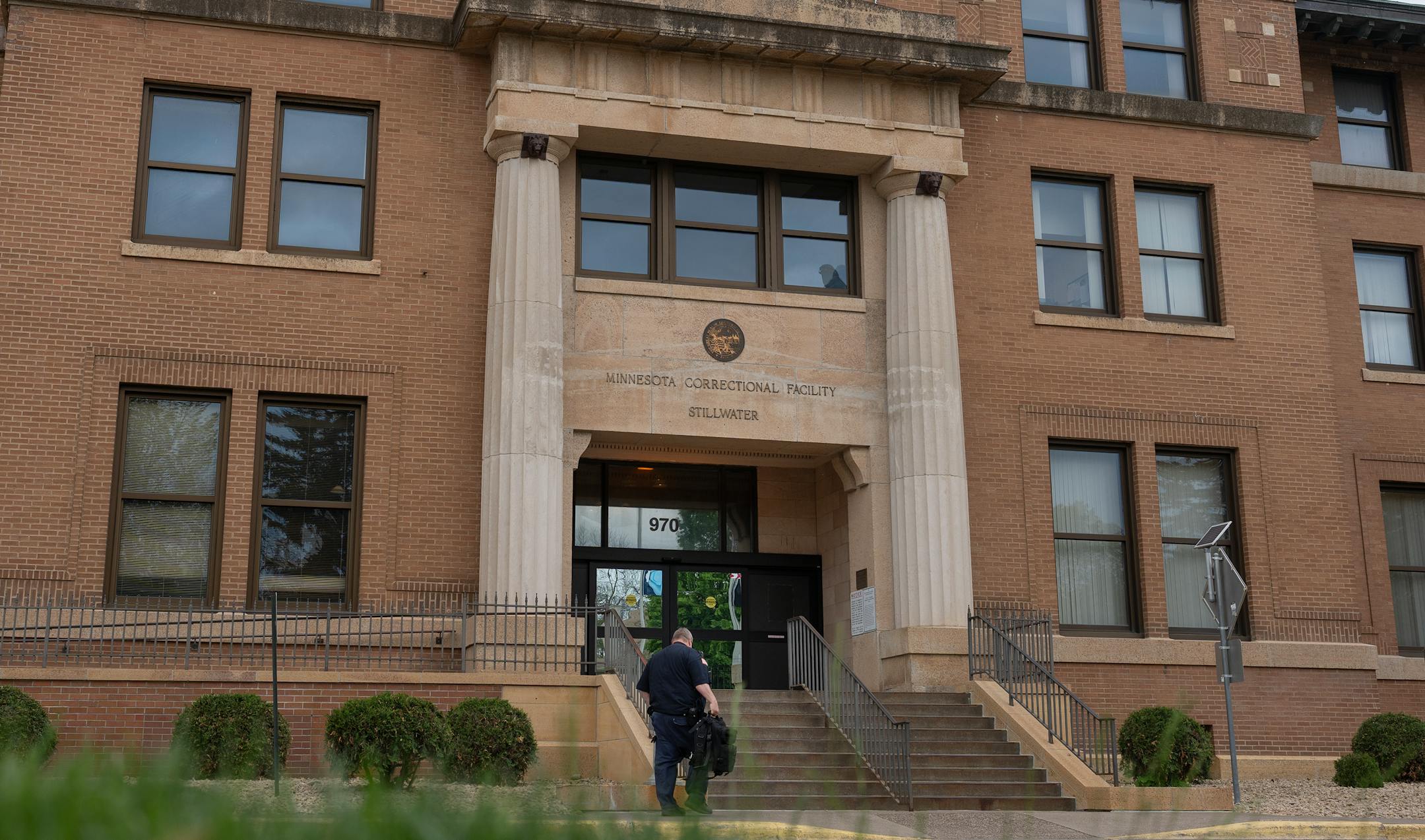
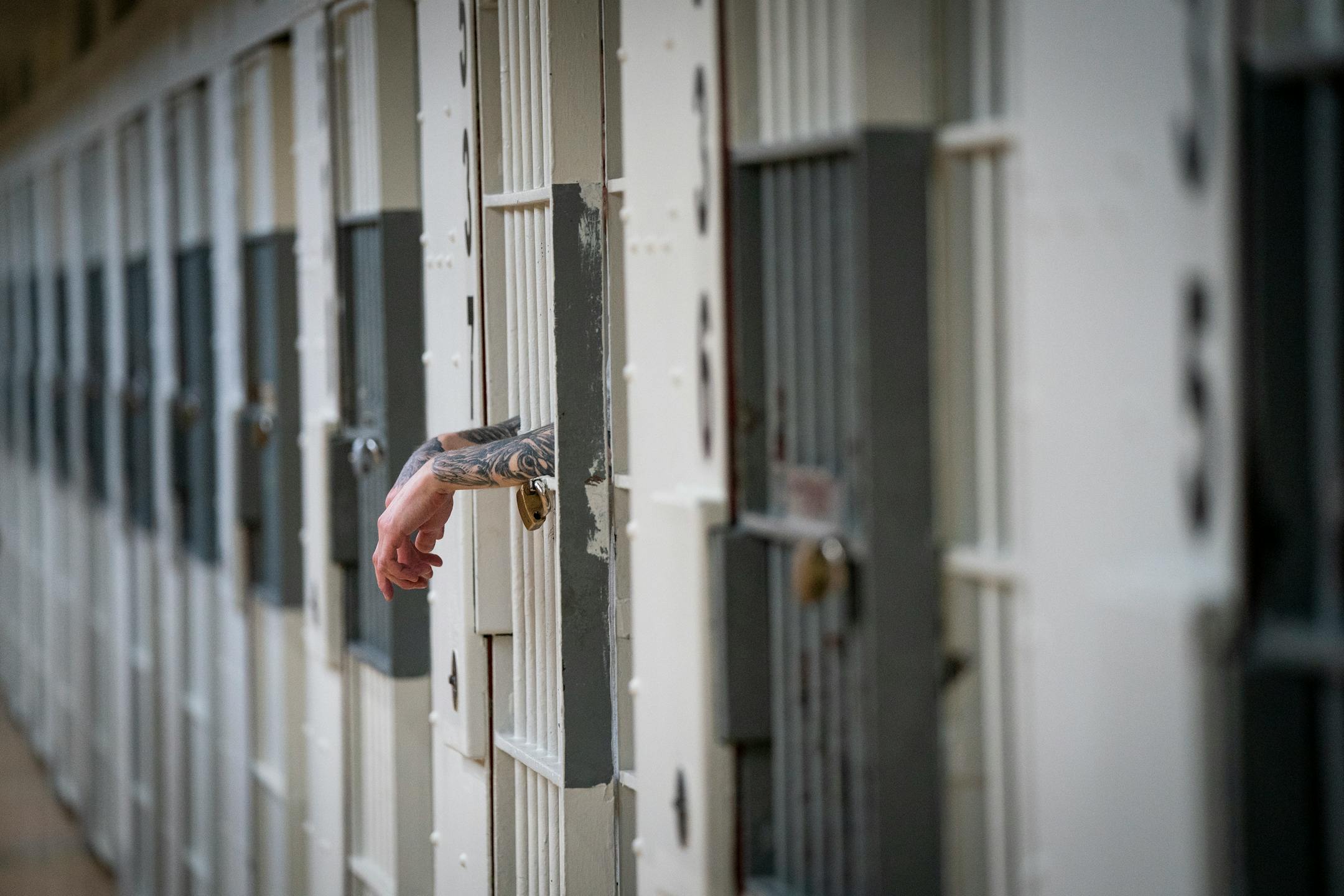
The Minnesota Department of Corrections has cut Stillwater prison’s staffing and inmate population by about 50% as part of the first phase of the facility’s closure, which is scheduled to be completed by June 2029. (Leila Navidi/The Minnesota Star Tribune)

The Minnesota Department of Corrections has reduced the Stillwater prison population by 60% as it prepares to close the facility.

In January, more than 1,200 inmates were at the 111-year-old prison. Since then, the department has moved nearly 750 people, mostly to the Rush City and Lino Lakes prisons.

The transfers mark the start of a sweeping, yearslong realignment of Minnesota’s prison system — an effort launched after a 2025 budget deal between Gov. Tim Walz and the Legislature that set the Stillwater closure in motion.

The plan is expected to save about $40 million while tackling the state’s deteriorating prison infrastructure, staffing shortages and overcrowding.

“Managing these transfers is like working on a sliding puzzle — finding the right spot for each individual that meets their needs but also accounts for security and compatibility issues,” Paul Schnell, commissioner of the Department of Corrections (DOC), told the Senate Judiciary and Public Safety Committee last month.

The state plans to close Stillwater by June 30, 2029.

Reshuffling staff and incarcerated people

Phase one of the closure, which began on Oct. 1 and will go through fiscal year 2026, focused on aligning staffing and population levels with legislative budget targets. The DOC expects to save $20 million this year and $48 million by 2029.

As part of the plan, 149 of Stillwater’s employees also transferred to other facilities, most to the nearby Oak Park Heights and Lino Lakes prisons.

To make room for displaced employees, the department in June stopped filling vacant positions across the system.

After the transfers and other moves, including five permanent layoffs, Stillwater’s staff has shrunk from 567 to 231 workers.

The DOC also aligned populations at other prisons, transferring a total of 2,000 incarcerated people in the state between June 16 and Sept. 26, DOC spokeswoman Shannon Loehrke said in an email.

Dan Gorman, a correctional officer at Stillwater for 20 years and president of AFSCME Local 600, said he’s been in conversations with the DOC about ensuring prisons have enough staff to match the relocated incarcerated populations.

“When you take a large group of individuals from the offender population and move them into these new facilities, there’s going to be that struggle, there’s going to be that transition,” Gorman said. “There are not enough staff members who went to Rush City. They were already understaffed as it was prior to moving all these offenders to the other institutions.”

Rush City is where the largest group of prisoners from Stillwater, 262 people, were transferred, and the facility is now at about 94% capacity, according to the DOC.

Overcrowding can lead to more violence, he said, referencing the recent death of inmate Stephen Washington after an alleged altercation with his cellmate and the August attack of four correctional officers.

Schnell said the department has tracked all incidents and found “no evidence or indication that anything to date has been driven by or the result of the phased closure of Stillwater.”

He said he is confident the prisons are adequately staffed, adding that staffing levels are higher now than in 2019 when the prison population was larger, and said the DOC is not concerned about shortages or overcrowding.

Dan Gorman, a correctional officer at Stillwater for 20 years, speaks alongside allied labor unions at a news conference in May. He is concerned about prison overcrowding and a shortage of correctional officers as Stillwater inmates are moved. (Anthony Souffle/The Minnesota Star Tribune)

Transfers cause disruption

Gorman said the closure of Stillwater “led to a lot of stress and anxiety among the officer population,” especially because most officers at the closing prison hoped to move to other prisons nearby.

Wednesday marked the final day of training for staff members who transferred to new facilities. Schnell acknowledged the emotional toll on employees who have spent years at Stillwater but praised workers and labor partners for helping manage an unprecedented shift.

“It hasn’t always been perfect by any stretch of the imagination,” he said. “But I think given the magnitude and the timeline that we were under, it really went well.”

For the staff who are staying at Stillwater, though, anxiety remains, Gorman said. They wonder if there will be open spots available for them when the closure is finalized.

Gorman said he is one of those officers and has taken on the duties of other staff members who have left the facility.

Addressing population pressures

While Minnesota’s incarcerated population remains manageable, Schnell said DOC facilities will see an increase not experienced since before the COVID-19 pandemic.

“To manage this shift, we are actively looking at ways to expand programming and work assignment opportunities for the population,” he told senators in September. “We also are working to maintain strong engagement in rehabilitation efforts to reduce idle populations.”

Schnell said the department is using its full bed capacity but not exceeding it. Double-bunking — housing two people in one cell — remains common practice.

“Our state has relied on double-bunking across the board, and that remains a reality at places like St. Cloud, like Rush City, like many of our facilities across the system,” Schnell said during the Senate committee hearing.

The Office of the Ombudsman for Corrections and a 2020 report by the Office of the Legislative Auditor have flagged double-bunking as a safety concern tied to outdated facilities and insufficient space.

There are also 134 inmates awaiting new placements and, as a consequence, are being temporarily held in restrictive housing.

Zeke Caligiuri, who served a sentence for a robbery and homicide conviction and is now community engagement manager at the Minnesota Justice Research Center, said rising populations, continued double-bunking and temporary restrictive housing could strain staff and limit access to rehabilitation programs.

Beau RaRa, an intergenerational program director at the Legal Rights Center, said families of incarcerated people also are struggling to adjust. Travel time is longer, and can be a cost burden for families.

“The person is serving the sentence, and their family serves it with them,” RaRa said.

Stillwater’s next chapter

While its population is smaller, Stillwater is also home to a new “honors” housing pilot modeled after programs in Maine and Oklahoma that reward good behavior with more freedoms.

Since June, the DOC transferred 244 incarcerated people to Stillwater for the Earned Living Units pilot, which received more than 850 applications. The program houses participants across three units: 93 in substance-use treatment, 310 in earned living and 150 in restrictive housing, for a total capacity of 553.

“We will be using all beds, which really is an important part of maintaining our costs to maximize use of our facilities to the fullest extent possible,” Schnell said.

The DOC reduced Stillwater’s staff from 567 to 231, retaining about 95% of its original workforce. (Jerry Holt/The Minnesota Star Tribune)

Schnell said the Stillwater closure signals the beginning of a broader discussion about modernizing Minnesota’s prisons. With aging facilities like St. Cloud facing steep maintenance costs, he said lawmakers will need to plan for the system’s long-term future.

“That’s not a question for today,” Schnell said, “but it does become a question in the long haul of how all of this gets managed, and what the state’s needs are.”

about the writer

about the writer

Emmy Martin

Business Intern

Emmy Martin is the business reporting intern at the Minnesota Star Tribune.

See Moreicon

More from Business

See More
card image
Leila Navidi/The Minnesota Star Tribune

Dan Florness is known for being frank, and also for facing problems before they show up in results.

573509657
card image