Anxiety running high at Stillwater prison as officials begin to move inmates out of aging facility

Legislators, correctional officers and inmates have criticized plans to shutter the prison by 2029.

The Minnesota Star Tribune
August 7, 2025 at 7:35PM
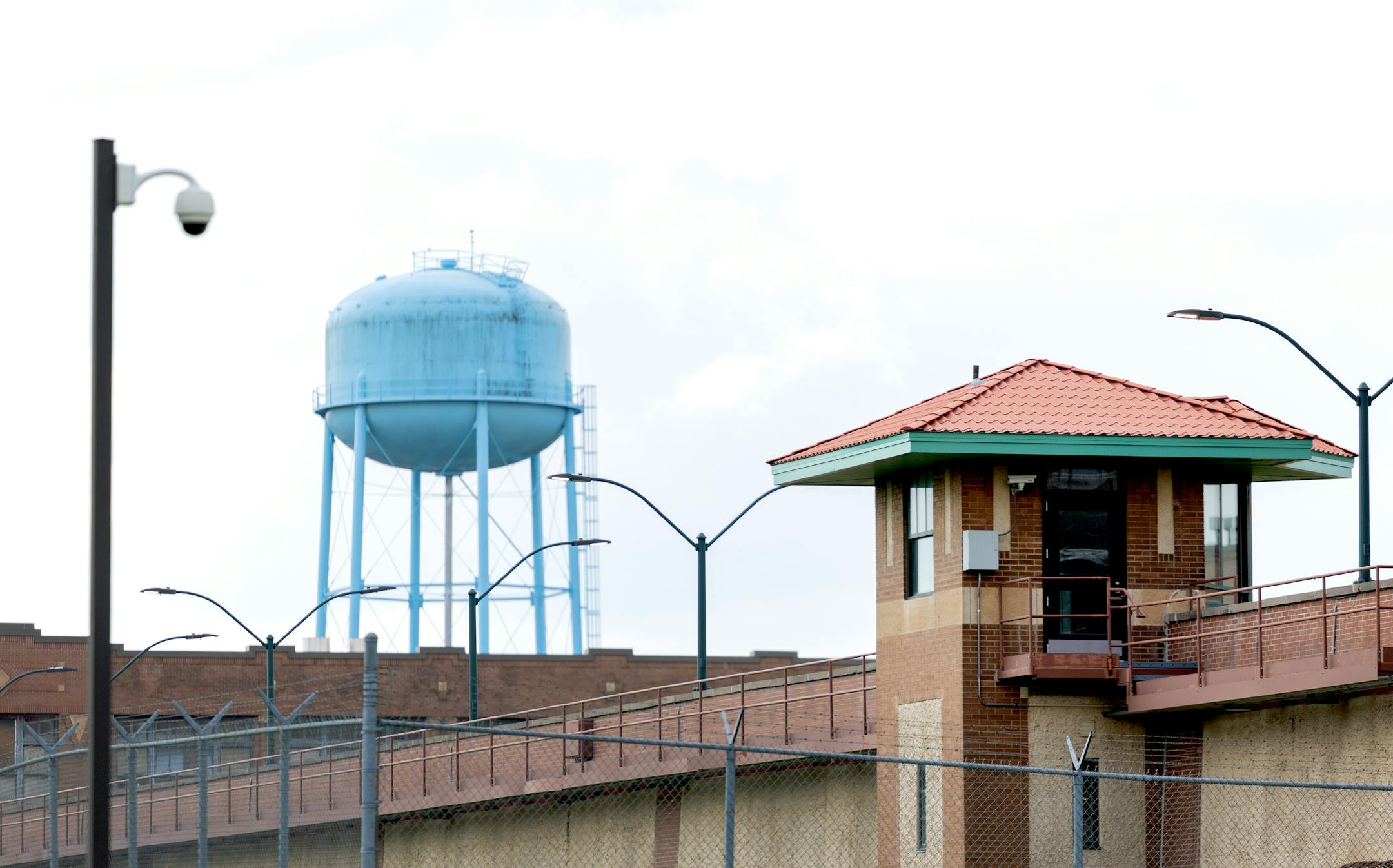
Stillwater prison in Bayport, seen on Tuesday. (Carlos Gonzalez/The Minnesota Star Tribune)

Hundreds of inmates have already left Stillwater prison as part of a yearslong plan to close the aging prison.

The closure, announced by legislative leaders and Gov. Tim Walz in May as part of a larger budget deal, came as a surprise to inmates and staff. Inmates have since complained that their voices have gone unheard as relocations get underway. Some Republican legislators and correctional officers have also blasted the closure, saying the decision was made without necessary plans in place.

“The level of anxiety over there at the Stillwater prison right now is at an absolute high,” said Sen. Karin Housley, a Republican who represents Stillwater and has spoken with corrections officers recently.

Prison officials say they’ve been working “massive amounts of hours” to pull plans together and work through concerns, which include layoffs, transfers and more.

“It’s not always easy and not everybody’s happy about all of it, which I respect,” said Minnesota Department of Corrections Commissioner Paul Schnell. “But I think we’re doing pretty well.”

Officials have sent about 400 Stillwater inmates to other facilities around the state, leaving Stillwater’s population at about 780 as of Thursday.

While the prison’s closure surprised some legislators when it was included in the budget deal this spring, the idea of shutting down the facility is anything but new.

In the mid-1970s, state legislators discussed closing the Stillwater prison in favor of “smaller, more manageable and more humane” facilities. A 1977 plan called for replacing it with a maximum-security prison by 1984. The second prison was eventually built in nearby Oak Park Heights — but rising prison populations kept Stillwater prison open, too.
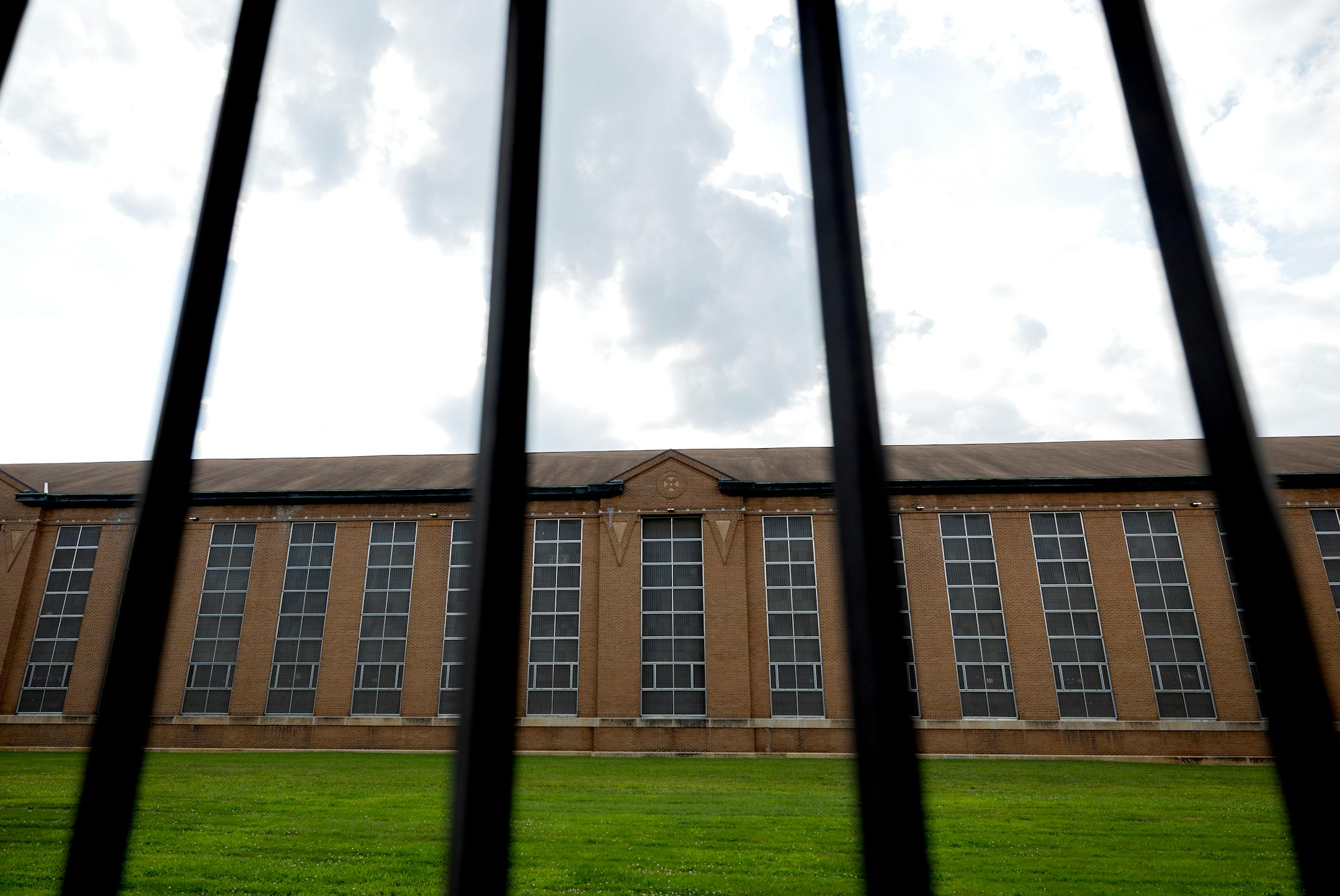
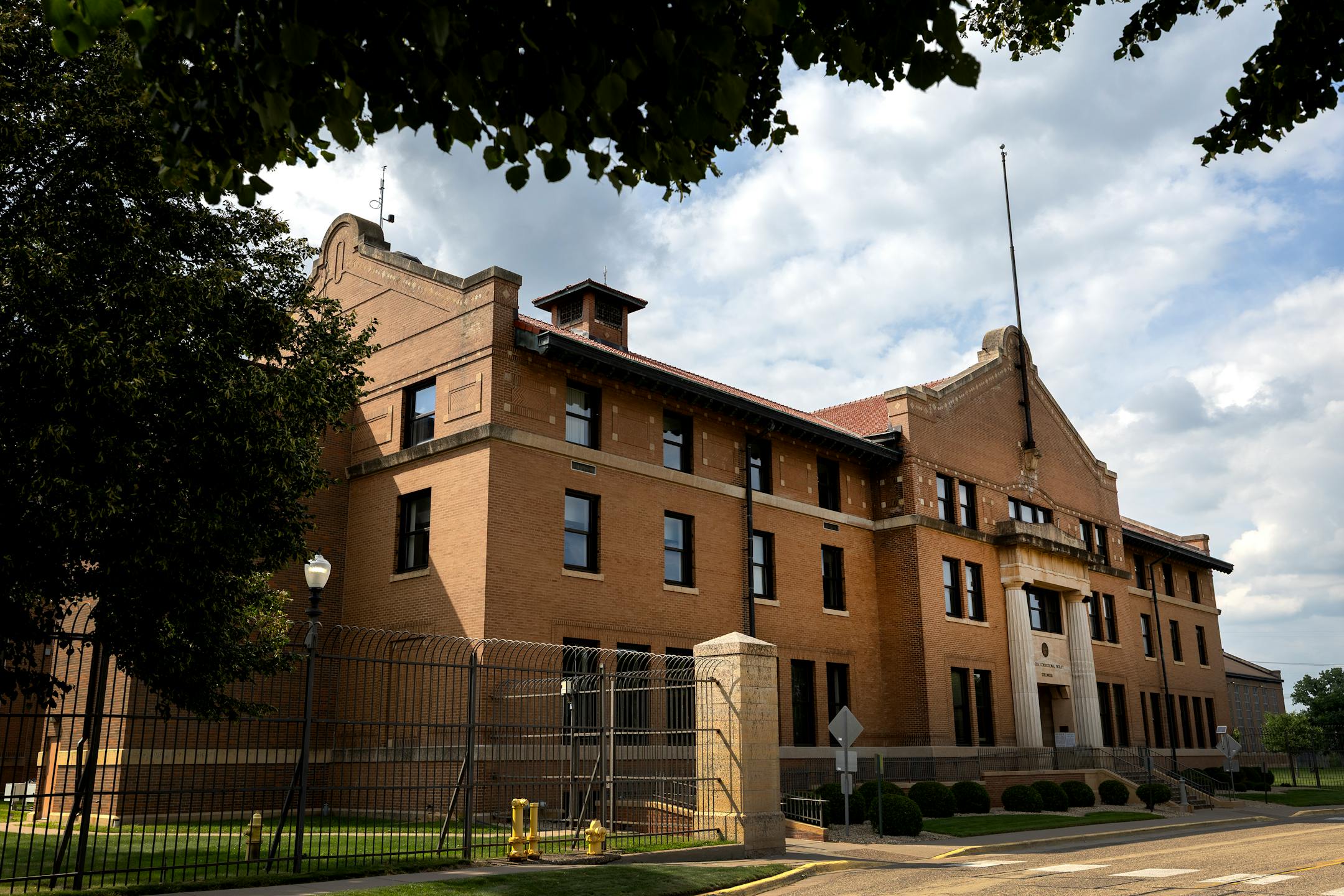
In more recent years, the prison’s failing physical condition has been top of mind for legislators. By 2020, a report from the legislative auditor said the state would have to “substantially reinvest” in the crumbling 100-plus-year-old prisons in Stillwater and St. Cloud if they were to stay in use.

Stillwater prison in Bayport. (Carlos Gonzalez/The Minnesota Star Tribune)

A more recent report put the cost for modernizing the two facilities at $2 billion — $1.3 billion at Stillwater and $700 million at St. Cloud. Deferred maintenance alone at Stillwater is estimated at $180 million.

This past legislative session, key legislators and Walz administration officials met for hours in private in the final weeks of the session as they tried to strike a deal that would balance the budget and make significant cuts to head off a shortfall in the coming years.

Schnell said his department had developed a budget scenario that included a Stillwater closure in case of a “nuclear-level budget cut.”

“We didn’t think it again it would go anywhere,” he said.

But as the private negotiations dragged on, Schnell said legislators keyed in on the $40 million in expected savings that would come from closing the prison. There wasn’t much appetite for tackling the maintenance backlog either, Schnell said.

“They were trying to hit a number,” he said. “And so that’s really what this was.”

Housley said the closure plan should have gone through a public committee process first. Rep. Paul Novotny, an Elk River Republican who co-chairs the House Public Safety Finance and Policy Committee, said the closure was presented to him as something that needed to happen.

“It’s not something to be pleased or displeased about,” Novotny said of the closure. “The only thing the Legislature had control over was giving [the Walz administration] permission to close the prison.”

Since then, prison officials have mostly been doing damage control and trying to look ahead.

Stillwater prison in Bayport. (Carlos Gonzalez/The Minnesota Star Tribune)

No layoffs among the 500-plus staffers have happened yet, but they are coming, Schnell said. He’s been having regular conversations with union leaders, who did not respond to multiple interview requests, as they sort out how to help prison staff land at other facilities around the state and work through seniority issues.

Officials expect the inmate population at Stillwater to be halved by this fall. No early releases are being given and the rest of the state prison system is able to accommodate ex-Stillwater residents, Schnell said. They are also trying to match inmates with roommates of their choice when transferring out of Stillwater, where cells are largely single bunked.

The department just completed a study that will guide the prison’s closure and is working on a second that will manage its impact on the rest of the system. The closure process has already started because of the state’s “budget reality,” Schnell said.

In the meantime, extra space in the prison will be used to pilot a new “honors” program that will reward well-behaved inmates with extra freedoms and amenities that will operate in the prison until it closes in 2029, Schnell said.

Schnell has high hopes for the program, which will give about 300 inmates more freedom of movement and opportunity. It will be modeled after similar arrangements in Maine and Oklahoma, where prison officials reward well-behaved inmates with access to art materials, more visitation rights, more time out of a cell, and other incentives.

Maine officials say the program has resulted in drops in assaults and disciplinary actions. Zeke Caligiuri, an advocate for inmates and their families as community engagement manager for the Minnesota Justice Research Center, said the program is “long overdue.”

“It’s about trying to build human beings that are healthy enough to come out, be well, and not continue to harm people in society,” said Caligiuri, who spent more than a decade at Stillwater prison after being convicted of murder and robbery. “And that’s not what our system has been.”

about the writer

about the writer

Nathaniel Minor

Reporter

Nathaniel Minor is a reporter for the Minnesota Star Tribune.

See Moreicon

More from Twin Cities Suburbs

See More
card image