
Stillwater inmates: The public has heard many opinions about this prison’s closure — except ours

We’re not asking to decide where we should be relocated. We’re just asking for our voices to be heard.

July 22, 2025 at 8:00PM
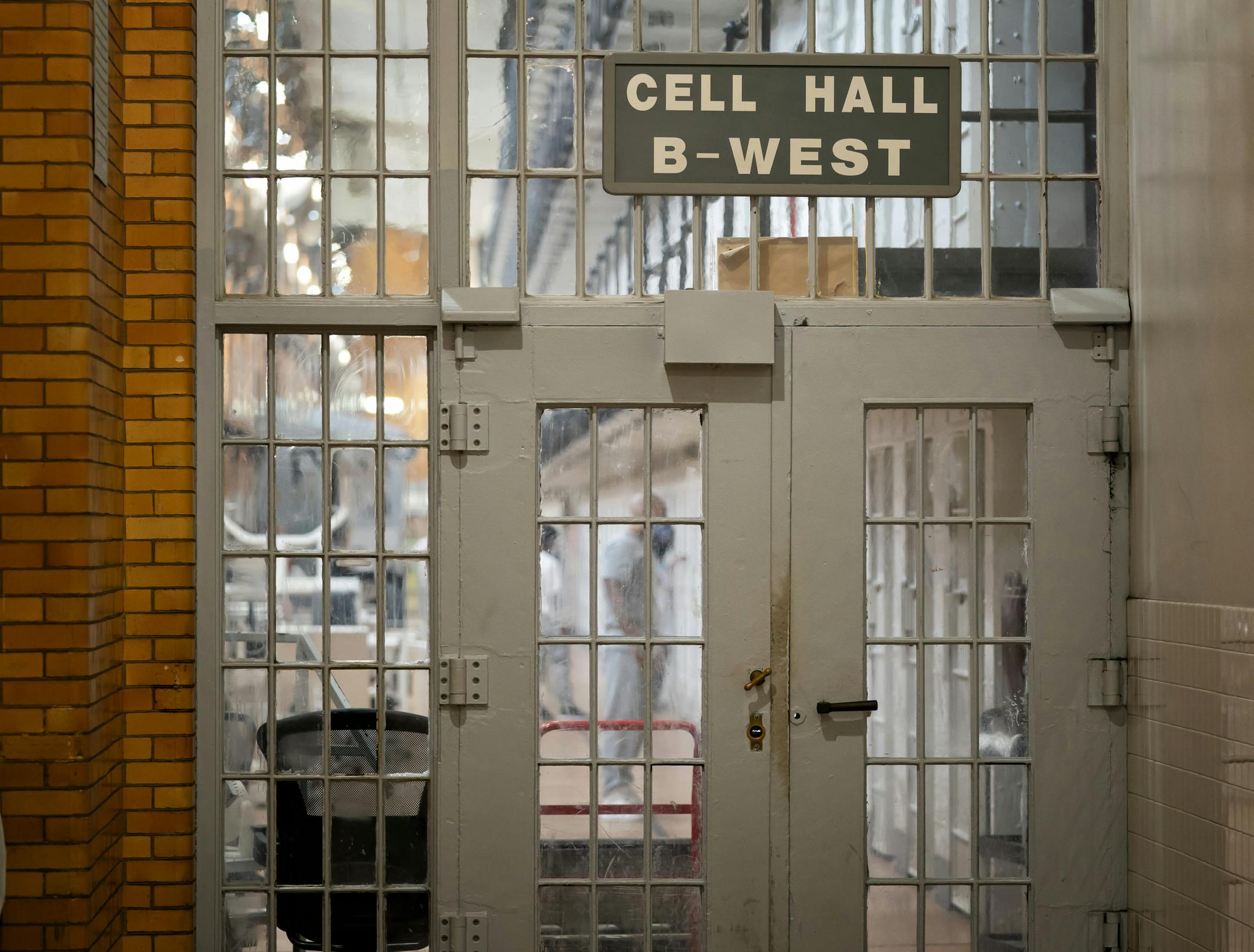
Cell Hall B-West at Stillwater Prison. Minnesota Correctional Facility, Stillwater, Minnesota
Stillwater prison, above, will be closed completely by mid-2029 due to failing infrastructure. "To those of us who are imprisoned here, though, it feels like we are watching a TV series about our lives, every episode ending on a cliffhanger that leaves us on the edge of our seats as we wonder what will happen next," five inmates write. (Glen Stubbe/The Minnesota Star Tribune)

Opinion editor’s note: Strib Voices publishes a mix of guest commentaries online and in print each day. To contribute, click here.

•••

This article was jointly written by several inmates at the Stillwater prison. Their names are listed below.

•••

This month, the Minnesota Department of Corrections started moving men out of Stillwater prison. The department plans to close the facility completely by mid-2029 with the nearly 1,200 men — including the five of us — sent to other facilities around the state.

The decision to close the second-oldest prison in Minnesota has been framed as a humane one. As one legislator correctly described the disintegrating infrastructure, “I didn’t even know a concrete building could bend like that.” To those of us who are imprisoned here, though, it feels like we are watching a TV series about our lives, every episode ending on a cliffhanger that leaves us on the edge of our seats as we wonder what will happen next.

Don’t get us wrong, we know better than anyone — the commissioner, the officers and certainly the public — how bad the conditions are here. The walls sweat in the summer, and at times extreme heat leaves us in fear of dying of hyperthermia in a facility with no air conditioning.

The public has heard everyone’s opinions about what should happen to us, except ours — the ones who will be most affected by the closure.

Stillwater is one of the closest institutions to the metropolitan area. (Oak Park Heights, just down the road from us, is the other. It doesn’t have space though, and as a supermax facility it would mean far harsher conditions for us.) Being moved to facilities two or three hours away — Moose Lake or Rush City, say — will create a huge barrier for our loved ones to visit on a consistent basis. Lack of access to our support systems disrupts the rehabilitation process that is the key goal of the prison system.

The move will also separate us from the communities we have built for ourselves inside. We have lived at Stillwater for as long as 12 years. Others have been here much longer. In that time, we have developed relationships that have sustained us — brothers we eat with, study with and work out with. The idea of being torn away from those connections with no say, no warning, is devastating. It will also separate us from our education, religious groups and the volunteers who have cultivated relationships with us.

When Commissioner Paul Schnell announced the closure in May, he said prisoners will have no say where we’ll be moved to, or when. Yet it is our lives that will be most impacted by the relocation. We are imprisoned. But we should not be voiceless and disenfranchised when it comes to our futures.

Union officers have spoken on behalf of prisoners. “Stillwater is a way of life,” one officer said shortly after the closure was announced. “Stillwater is a community,” he continued, “not just for the officers but offenders as well.”

We don’t need officers to speak for us. The DOC and legislators can hear from us directly if they’re concerned about how the closure will impact us. There hasn’t been any public forum held where both prisoners and officers have shared the same space to make these claims or discuss our fate.

The Department of Corrections will say we have a voice through our prison representatives, a few select prisoners who attend meetings with the administration to discuss matters pertaining to prisoners’ conditions. But we don’t choose the representatives. They’re appointed by officers. So the process is illegitimate and it doesn’t feel like they can accurately represent our opinions.

There are a lot of different ways that we can imagine getting our voices heard. Commissioner Schnell could come meet with us. Or prisoners could properly elect a group of prisoners to represent us in meetings with prison officials and legislators. There could even just be a survey conducted to capture our voices.

We know that we have made mistakes, but we were sentenced to years in prison, not to uncertainty and upheaval. We aren’t asking to decide where we should go, or when. All we ask is that the department take us into account as it plans the plot of this drama’s next season.

This commentary was written by Donovan Diego, Malcolm Cooper, Jermaine Rudolph, Dale Lott and William Warr. They are inmates at Stillwater prison.

about the writer

about the writer

Multiple authors

More from Commentaries

See More
card image
DOUG MILLS/The New York Times

Attacks on Somali Americans are a cruel distraction.

card image
card image