Minnesota universities turn academic research into business with support for startups

Both the University of Minnesota and the University of St. Thomas have programs that help professors and students turn research into startup companies.

The Minnesota Star Tribune
August 12, 2025 at 1:00PM
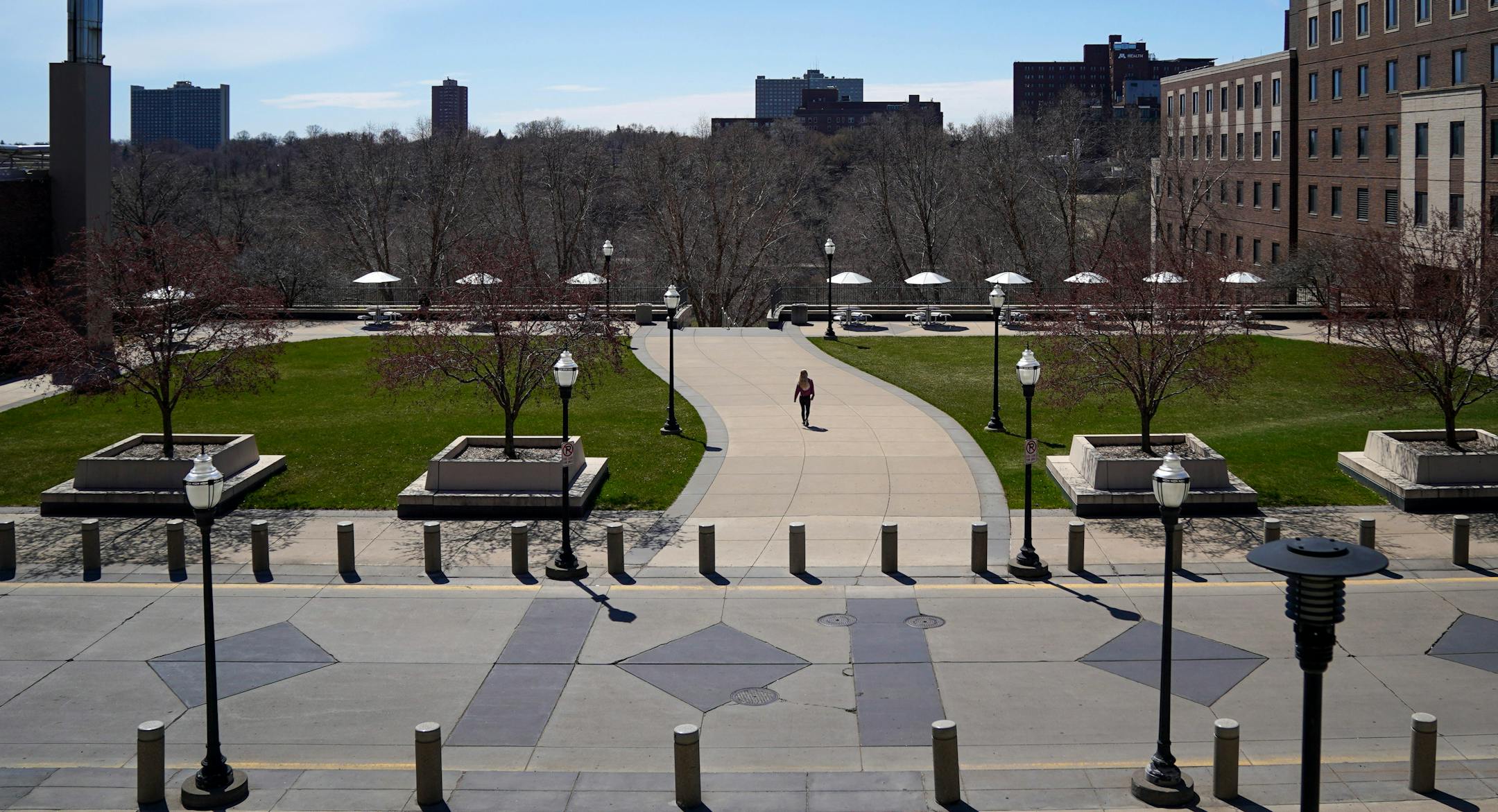
The Venture Center at the University of Minnesota has helped launch more than 50 companies since the 2023-24 school year. (Glen Stubbe/The Minnesota Star Tribune)

Graduate students come to the University of Minnesota for advanced degrees, and increasingly, they finish their studies by launching startup companies.

The U’s Venture Center, which provides guidance on how to take technology from research labs to the marketplace, has helped launch 285 startups in nearly 20 years, but the pace has quickened recently.

Since the 2023-24 academic year, the center has launched more than 50 companies.

“The university is just bubbling with innovation,” said Angie Conley, director of the Venture Center. “Everywhere I look, in every pocket, there are really cool professors doing brain science and plant gene editing and solving really important problems.”

Angie Conley, director of Venture Center at the University of Minnesota, poses for a portrait in the Discovery Nexus in the McNamara Alumni Center at the University of Minnesota. (Alex Kormann/The Minnesota Star Tribune)

The burgeoning startup scene at the U comes as colleges nationwide — facing demographic, financial and political pressure — are eager to show how they can shape entrepreneurs and local economies. About a third of research universities in the U.S. have formal mechanisms for investment in startups.

The University of St. Thomas is also investing in research-based startups.

“Universities have an imperative to support the entrepreneurial and innovation ecosystem,” said Danielle Ailts Campeau, associate dean of St. Thomas’ Schulze School of Entrepreneurship. “It’s healthy for the economy and supports our local community. That’s where we see growth.”

There’s also a potential financial benefit to colleges that invest in the fledgling businesses. Sometimes those benefits are direct, by recouping their investment with stakes in companies, and sometimes they’re felt more indirectly, via successful alumni and a reputation boost.

The U has already seen some returns.

The university has an equity stake, typically 5-10%, in any project that begins at the Venture Center. Plus, the U has invested $12 million so far in about the 10% of the startups launched there.

That investment has yielded about $50 million in revenue for the U, which it uses to pay for licensing and patent expenses.

Emrgnse, a biotech startup that focuses on simplifying data that comes from genomic testing on tumors, started in 2024 with the help of the Venture Center.

The founders, medical student Hannah Bergom and Assistant Professor Justin Hwang, said the Venture Center helped them turn science into a business.

“They are basically part of the team, especially where we don’t have the expertise,” Hwang said. “We know the science ... However, I’ve never had exposure on how to build a company.”

Adding to Minnesota’s economy

Nearly 75% of the active startups developed at the U’s Venture Center are based in Minnesota. They range across six industries, all involving science or technology. Over half of the businesses developed are in the medical device or biotech and pharmaceutical products fields.

Matt Lewis, vice president of partnership strategies for economic development group Greater MSP, said Minnesota’s economy feels the benefits of startup development whether the company continues or is acquired.

“There ends up being better jobs and more opportunity for people who live in a place where [startups] are abundant,” he said. “These startups, they send out a signal or an antenna to the rest of the global economy that leads to more investment coming here.”

Vireo Ag, a new startup looking to advance the field of gene editing in plants, launched in January with the help of the Venture Center and plans to continue to grow in the Twin Cities.

“It’s really important to have ag companies anchored in the Midwest,” said CEO Jenette Ashtekar. “It’s fundamental. We’re super interested in crops that grow in Minnesota and creating opportunities for farmers.”

While the company has mainly had success in gene editing tomato plants, Ashtekar said the company’s employees are researching ways to gene edit other plants. She said the company will continue to invest in Minnesota-based talent.

Academia vs. private sector

David Largaespada, genetics professor and interim deputy director of the Masonic Cancer Center, has founded three startups at the U but has chosen to stay in academia.

He explained how there are often tradeoffs between staying in academia and jumping into the private sector with a startup. Largaespada said he’s seen professors at every level leave the university for full-time positions at their startups.

“Some faculty members feel like if they go to industry, their work can have a more immediate impact on patients, and that’s desirable,” he said.

As the second Trump administration cuts funding for research, Largaespada said he is concerned the number of academics leaving to work for startups might increase due to the difficulties in finding funding for academic projects.

He said it could create problems in the future as many middle-level faculty and researchers could leave, leading to leadership and research gaps.

“I don’t want us [research] to get smaller and slower, which is what will happen,” he said, “especially as it related to testing new concepts for diseases like cancer.”

But efforts like the Venture Center can help faculty get involved in the private sector while also staying in academia.

“You can think of it as your Saturday,” Largaespada said. “You can use [it] for these external professional activities without decreasing your percent effort at the university. I certainly think more faculty are thinking about academic-industry collaboration because of this.”

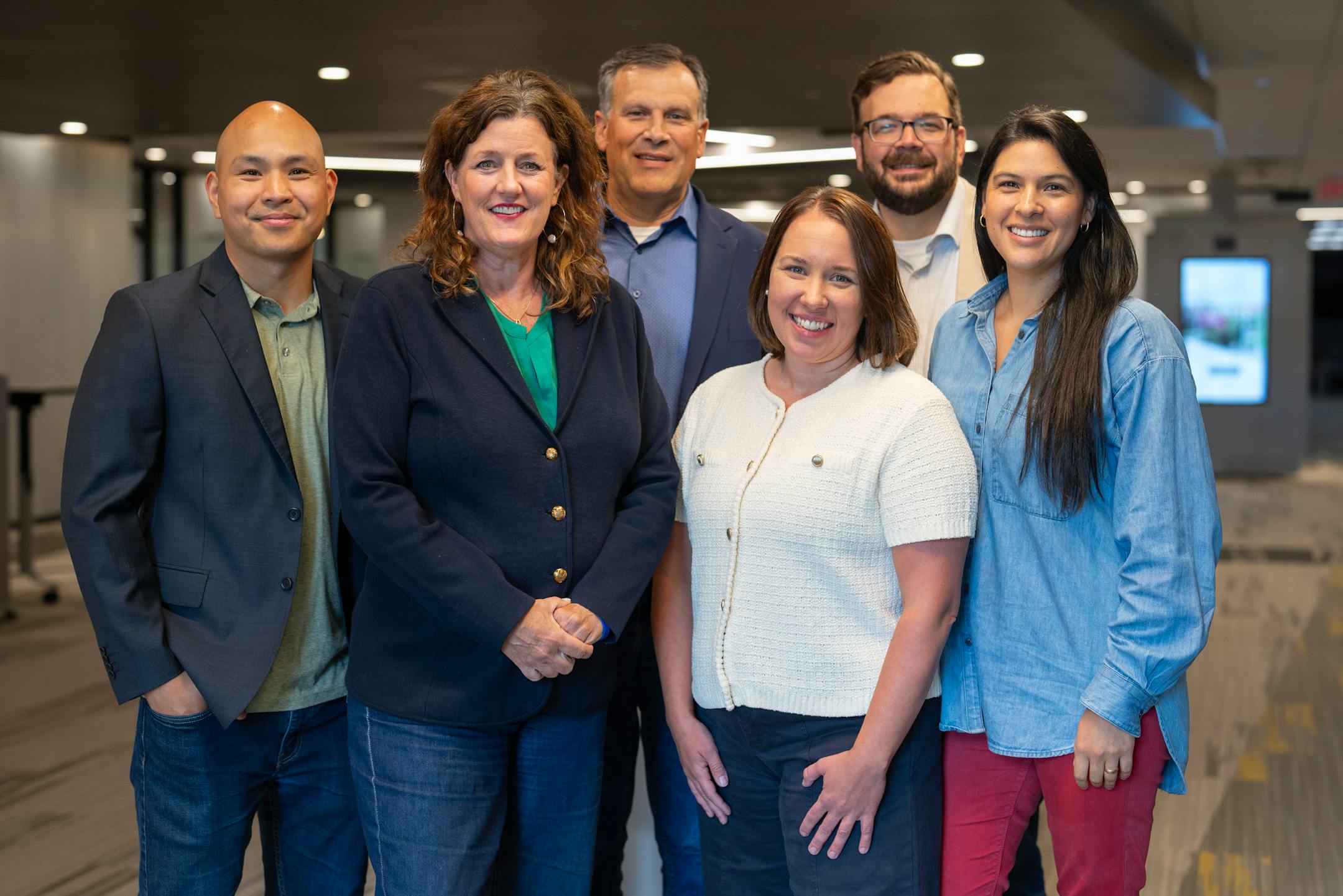
From left, Andy Lee, Angie Conley, Rick Huebsch, Maria Ploessl, Chris Ghere and Jacqueline Mejia pose for a portrait in the Discovery Nexus in the McNamara Alumni Center at the University of Minnesota in Minneapolis. This small team leads the Venture Center. (Alex Kormann/The Minnesota Star Tribune)
about the writer

about the writer

Eleanor Hildebrandt

Reporter

Eleanor Hildebrandt is a reporter for the Minnesota Star Tribune.

See Moreicon

More from News & Politics

See More
card image
Leila Navidi/The Minnesota Star Tribune

Jeffrey Lopez-Suazo was one of two men arrested during the raid, which drew hundreds of protesters.

card image
card image