St. Paul apartment building shuts down elevator for repairs, leaving disabled tenants stranded

Disabled residents say the Tilsner Artist Lofts should make accommodations for them or give them a break on rent when the lone elevator is shut down for weeks.

The Minnesota Star Tribune
August 8, 2025 at 2:44PM
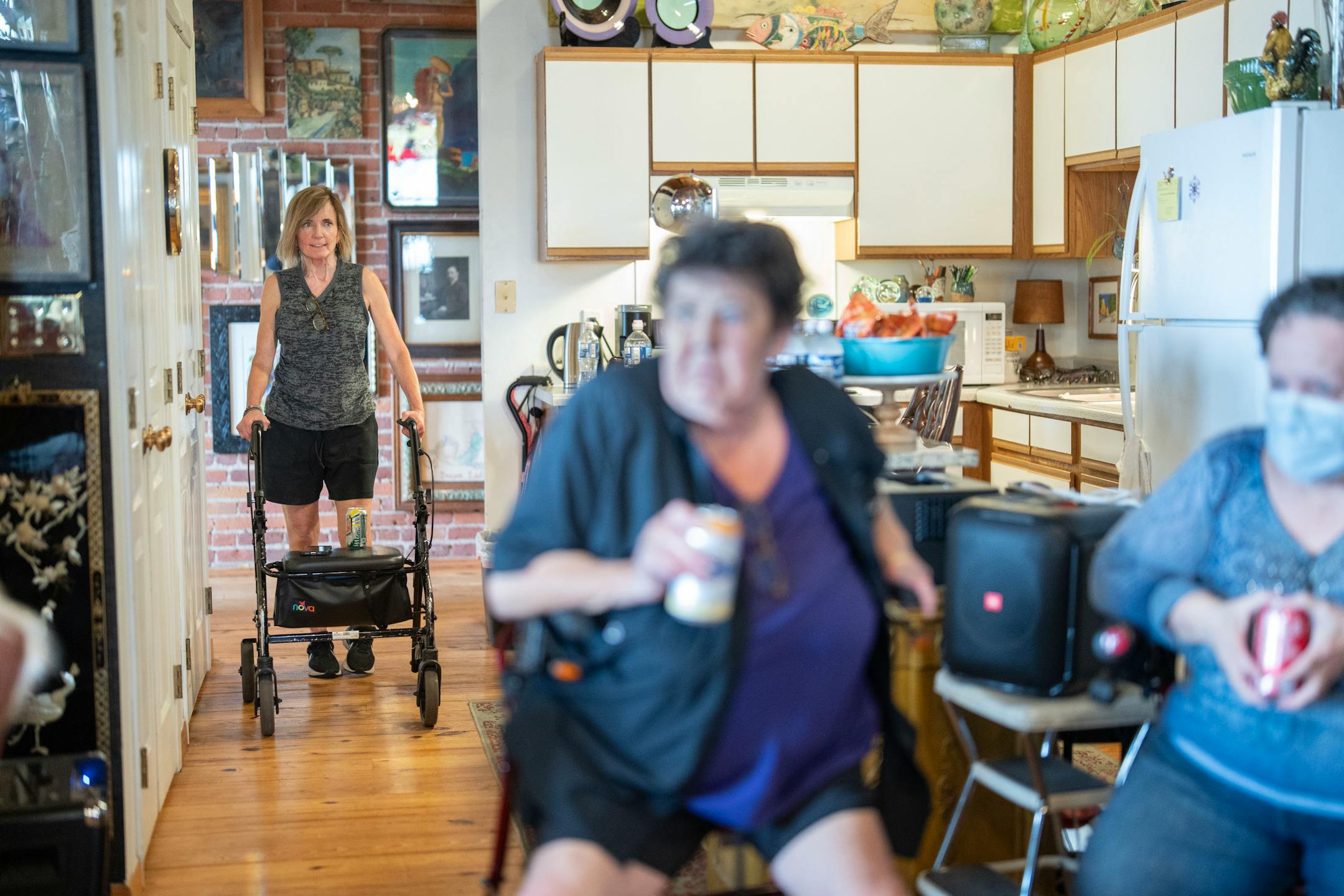
Barbara Rose, left, walks toward a meeting of residents to discuss their options surrounding the shutdown of the building’s only elevator for repairs and modernization in her apartment in St. Paul on Wednesday. (Alex Kormann/The Minnesota Star Tribune)

After it was announced that the only elevator in St. Paul’s Tilsner Artist Lofts would be shut down for several weeks beginning in October, the six-story building’s disabled tenants waited for months to learn what accommodations would be coming to ease their hardship.

They’re still waiting.

While the building’s owners said they have paid to expedite repairs and will allow mail and packages to be left at apartment doors, tenants who cannot climb the historic Lowertown building’s stairs have three choices: Move out, stay with friends or family during the shutdown or stay in their units for five weeks until the elevator “modernization” work is finished.
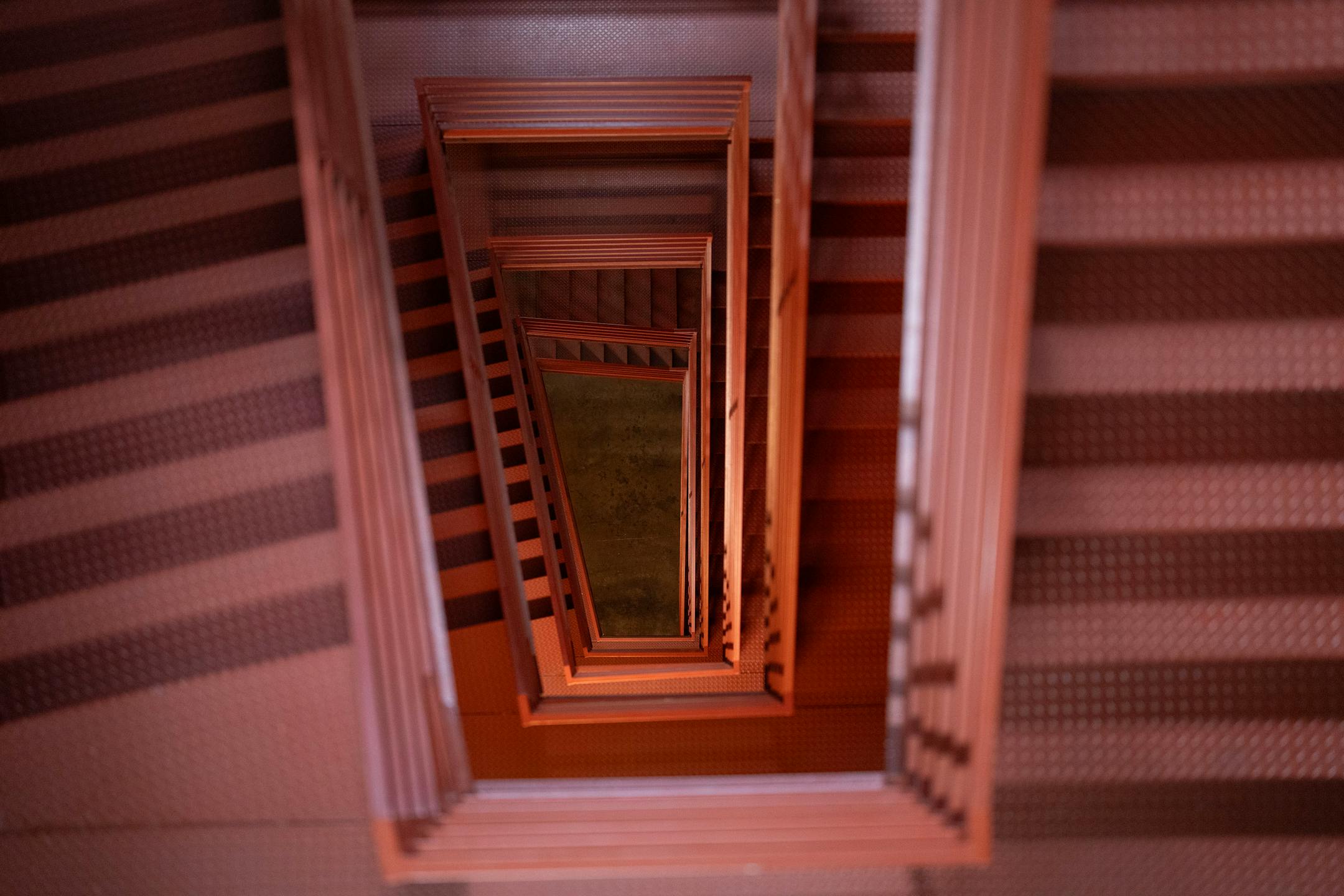
The staircase that residents must use when the only elevator in Tilsner Lofts is shut down for over a month for repairs and modernization in St. Paul. (Alex Kormann/The Minnesota Star Tribune)

What state or federal law (through the Americans with Disabilities Act) requires of property owners when disabled tenants are displaced is “squishy,” relying “on property managers not being jerks,” said David Fenley, ADA director for the Minnesota Council on Disability.

“I get these calls probably once a month,” he said. “Elevators have to be repaired, that makes sense. But you should accommodate folks. And they rarely do.”

As with many laws regarding housing, Fenley said, it’s often left to tenants to take landlords to court to prove unfair treatment.

At Tilsner Artist Lofts, there will be no financial compensation, said Amanda Novak, executive director of Twin Cities Housing Development Corp., the building’s majority owner.

For years, she said, residents have had an addendum on their lease that said the building’s single elevator could be down for repairs for stretches of time.

Barbara Rose, who was left partially paralyzed after a scooter accident shortly after she moved into a sixth-floor apartment in 2022, relies on a walker and wheelchair to get around. Residents should at least get a break on rent for the time the elevator is down, she said.

“I think they’re thinking that I can just find somebody to stay with,” Rose said of family members whose homes also have stairs she cannot climb. “But that’s really not an option.”

Fenley said building owners should, at the very least, put disabled residents up in a hotel or pay for delivery services.

Barbara Rose poses for a portrait in her apartment in St. Paul on Wednesday. (Alex Kormann/The Minnesota Star Tribune)

What can disabled residents do

Chad Wilson, an attorney at the Minnesota Disability Law Center, agreed that often courts look at such cases — and steps that property owners must take — on a case-by-case basis.

He said residents should first make a formal request for desired accommodations in writing to the building’s owners. The owners then would be compelled to put their response to those requests on the record.

“They need to make it clear that there are things that they’re asking for,” Wilson said of the tenants. “It really does depend on the individual’s disability and the accommodation they say they need.”

He added: “The landlord can say ‘no’ to accommodations if they show an undue financial burden.”

One option, Wilson said, is offering to move disabled tenants from upper floor units to ground floor apartments.

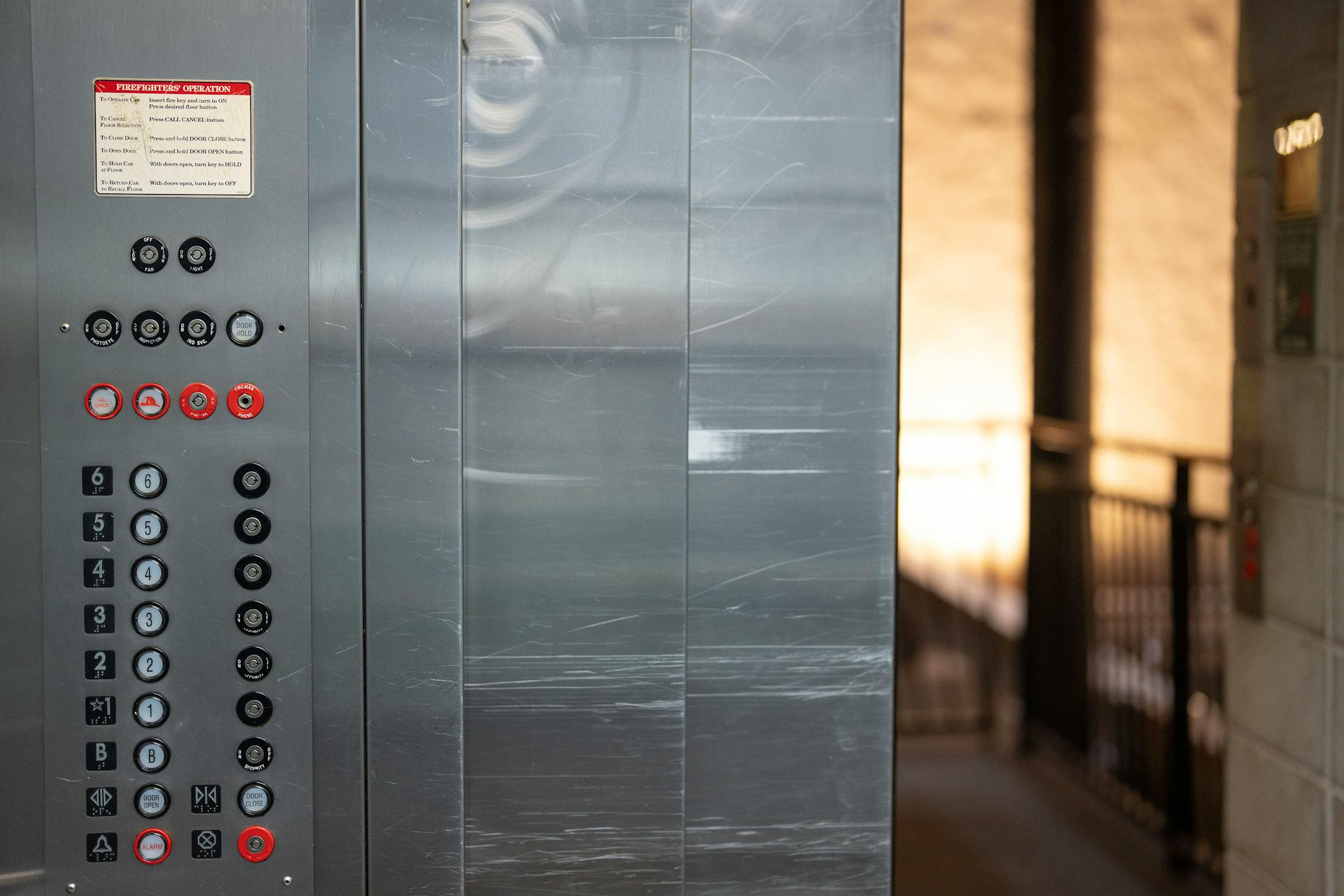
The only elevator in Tilsner Lofts is seen in St. Paul on Wednesday. (Alex Kormann/The Minnesota Star Tribune)

Disability accommodations

That is exactly what the Tilsner Lofts’ owners have previously done, Novak said. But “only one person opted to make the switch,” she said.

On Wednesday, several of the building’s tenants gathered in Rose’s apartment to share frustrations about the building’s maintenance and its often-balky elevator.

A year ago, Rose said, the elevator was out of order for more than a week while owners waited for a part to come in. Each day, the former floral designer had to climb 12 flights of stairs. Each of the building’s 66 units is two stories tall.

“It was exhausting,” she said.

Moving to a lower unit was never an option, Rose said. In her three years here, she has transformed the space into an eclectic, artistic space filled with her decorating flourishes. She loves the view of the Mississippi River to the south.

And she needs the disability aids she’s installed, from the grab bars in the bathroom to the harness/treadmill her personal care attendant helped her assemble for ongoing physical therapy.

”All that we’re asking for," she said in an email, “is to not have to pay rent on a space for the time that is not accessible to us.”

about the writer

about the writer

James Walsh

Reporter

James Walsh is a reporter covering social services, focusing on issues involving disability, accessibility and aging. He has had myriad assignments over nearly 35 years at the Star Tribune, including federal courts, St. Paul neighborhoods and St. Paul schools.

See Moreicon

More from St. Paul

See More
card image
Sofia Barnett

The City Council will take another week to finalize resolution language. The city will also fund immigrants’ defense and naturalization in 2026 budget.

The setting sun illuminated the St. Paul skyline, with city hall on the left, as seen from Harriet Island Park.
card image