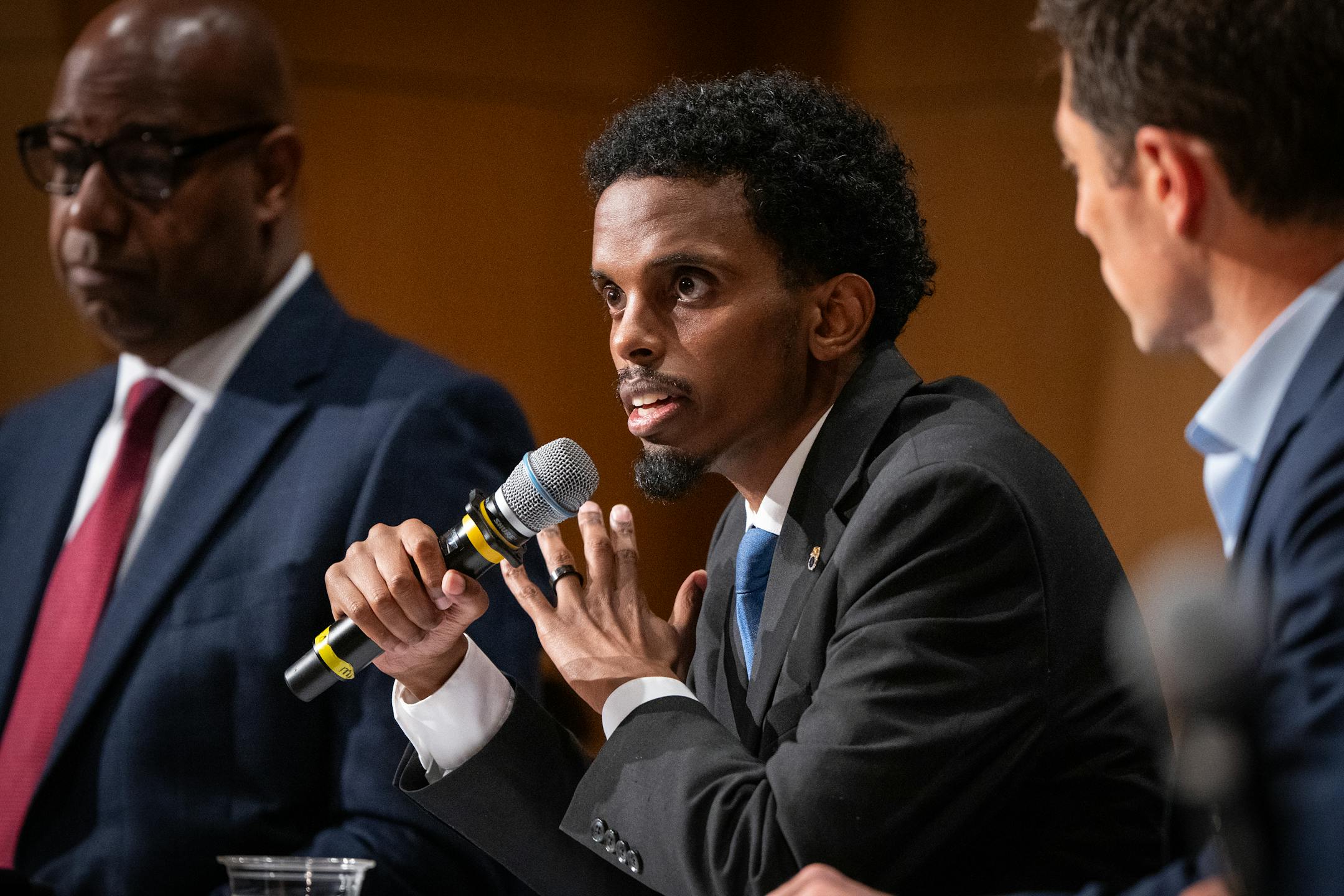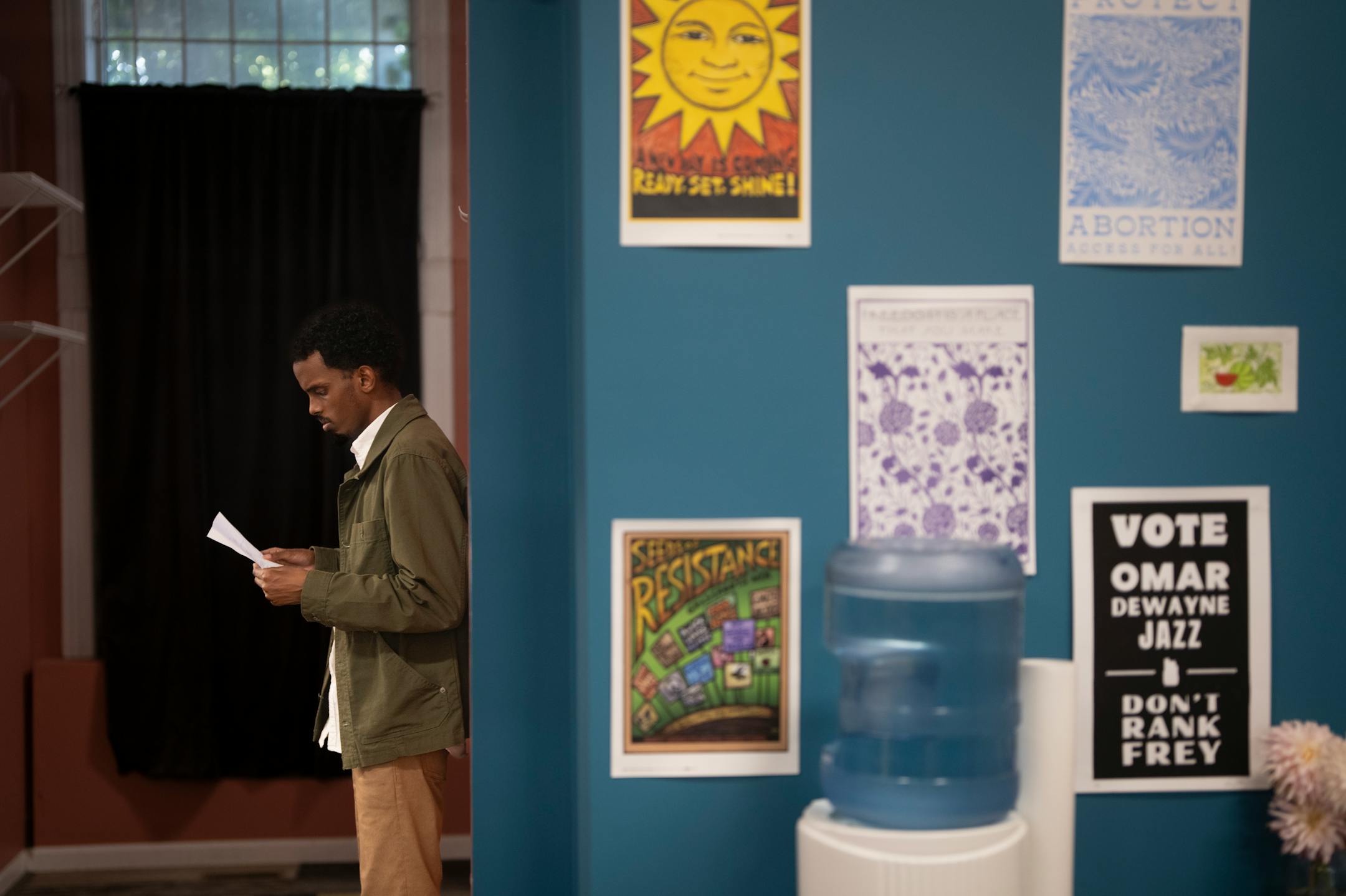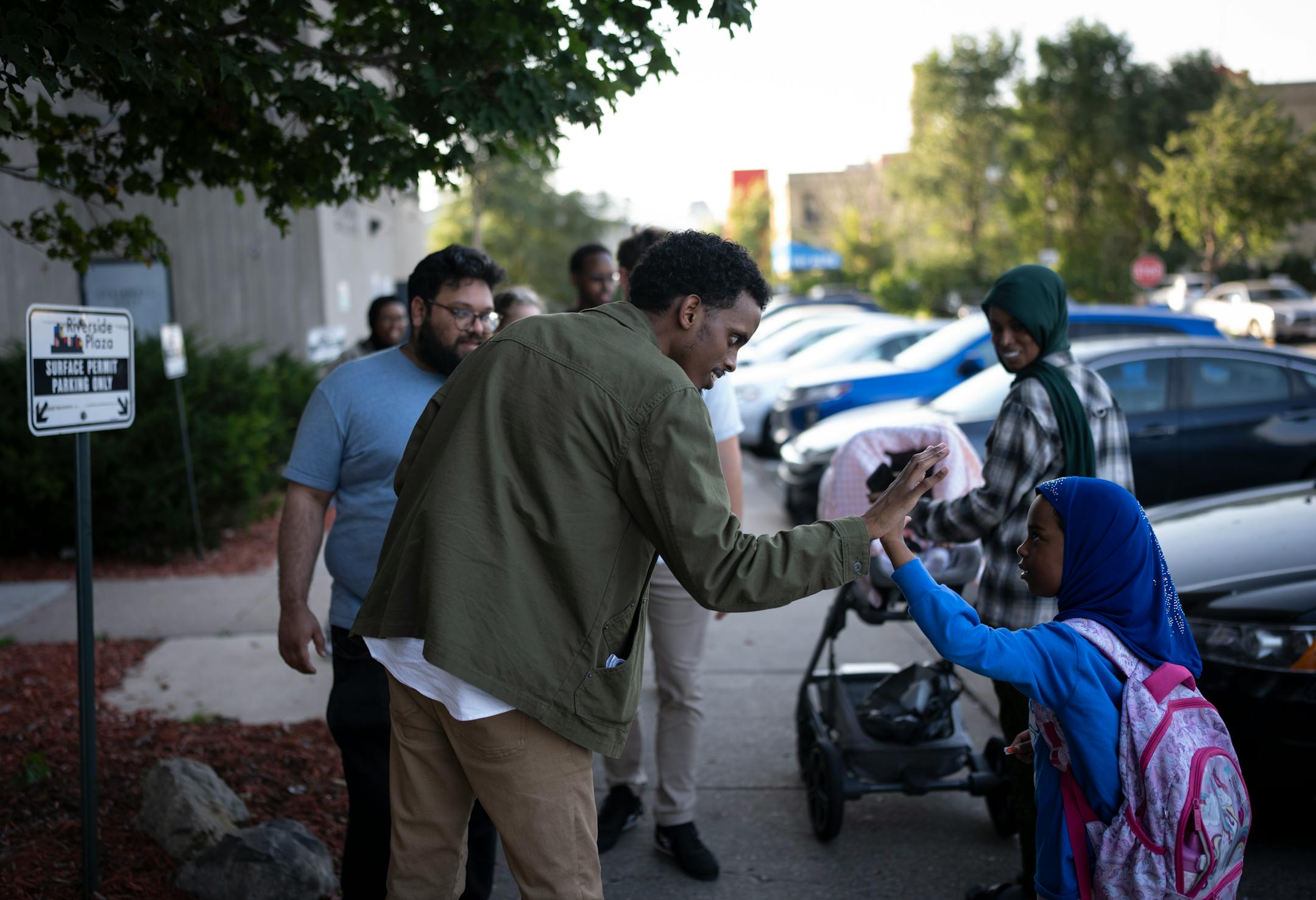
On a recent weekday afternoon, Minneapolis mayoral candidate Omar Fateh walked out of his campaign office in the Cedar-Riverside neighborhood to a near-celebrity welcome.
People on the sidewalk and in passing cars yelled his name. Several approached to ask for selfies. Someone even sang a spontaneous ode.
Many of the well-wishers from the neighborhood, the hub of Minneapolis’ east African community, punctuated their greetings with “Inshallah,” Arabic for “God willing.”
A city outreach worker wearing a bright orange shirt, Gamachis Mohamed, ran up to Fateh and hugged him, before referring to the two-term state senator as “the man, the myth, the legend.”
This is not the typical reception for mayoral candidates in Minneapolis. But Fateh, 35, isn’t your typical candidate.
Over the past five years, the democratic socialist has gone from political unknown to standard bearer for Minneapolis’ ascendant progressive coalition, harnessing disaffection with more moderate Democrats — and with the political process itself — to rack up a series of electoral and legislative wins.
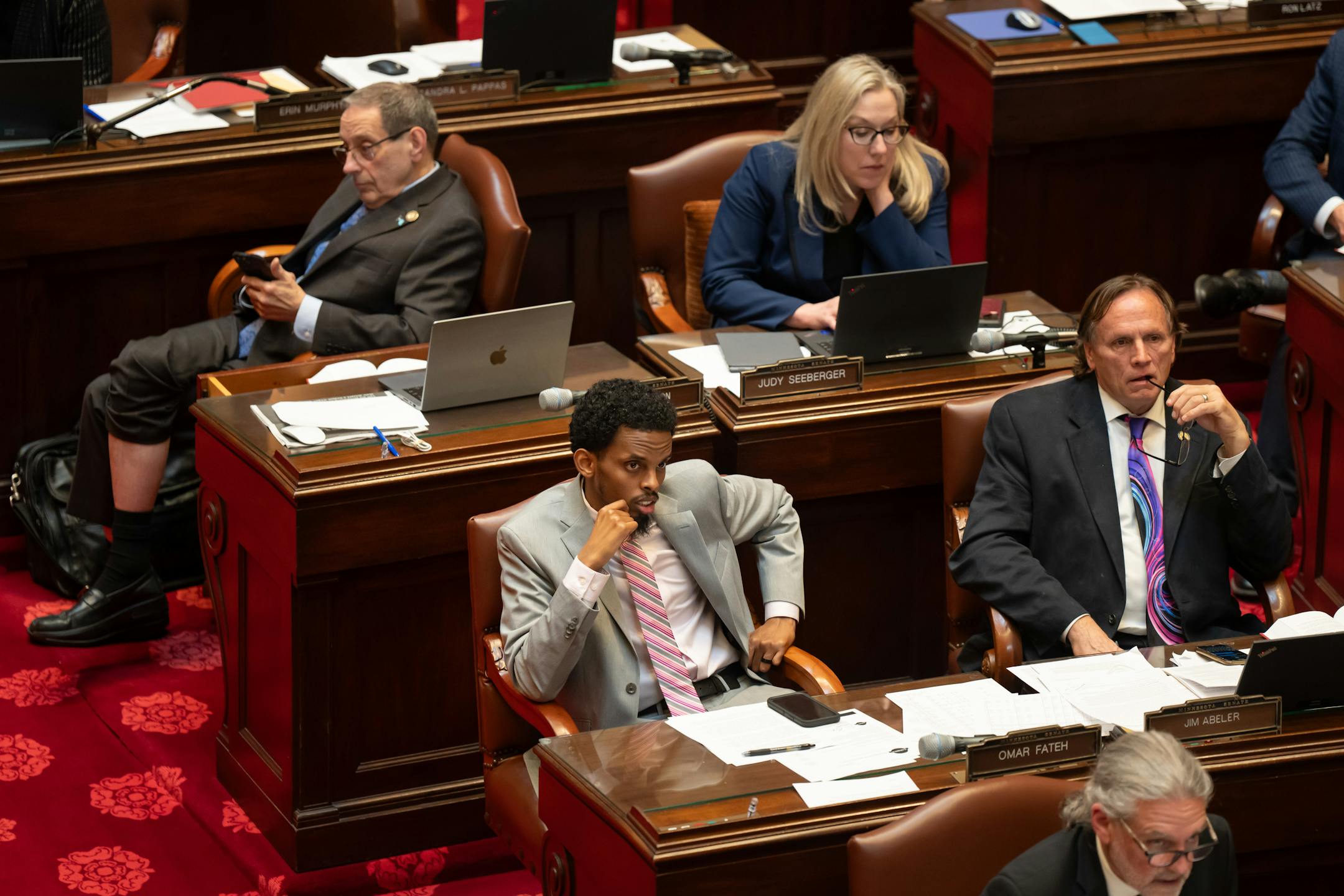
He beat an entrenched incumbent to secure his Senate seat, spearheaded legislation to make college tuition free for lower income students, and forged a compromise to save Minneapolis 2040, the landmark zoning plan that allows more high-density housing throughout the city.
Along the way, Fateh, who would be Minneapolis’ first Somali American mayor, has cemented a reputation for being a highly effective advocate for his priorities. But he’s repeatedly faced questions over his tactics, his ethics and his willingness to flout his own party to get what he wants.