

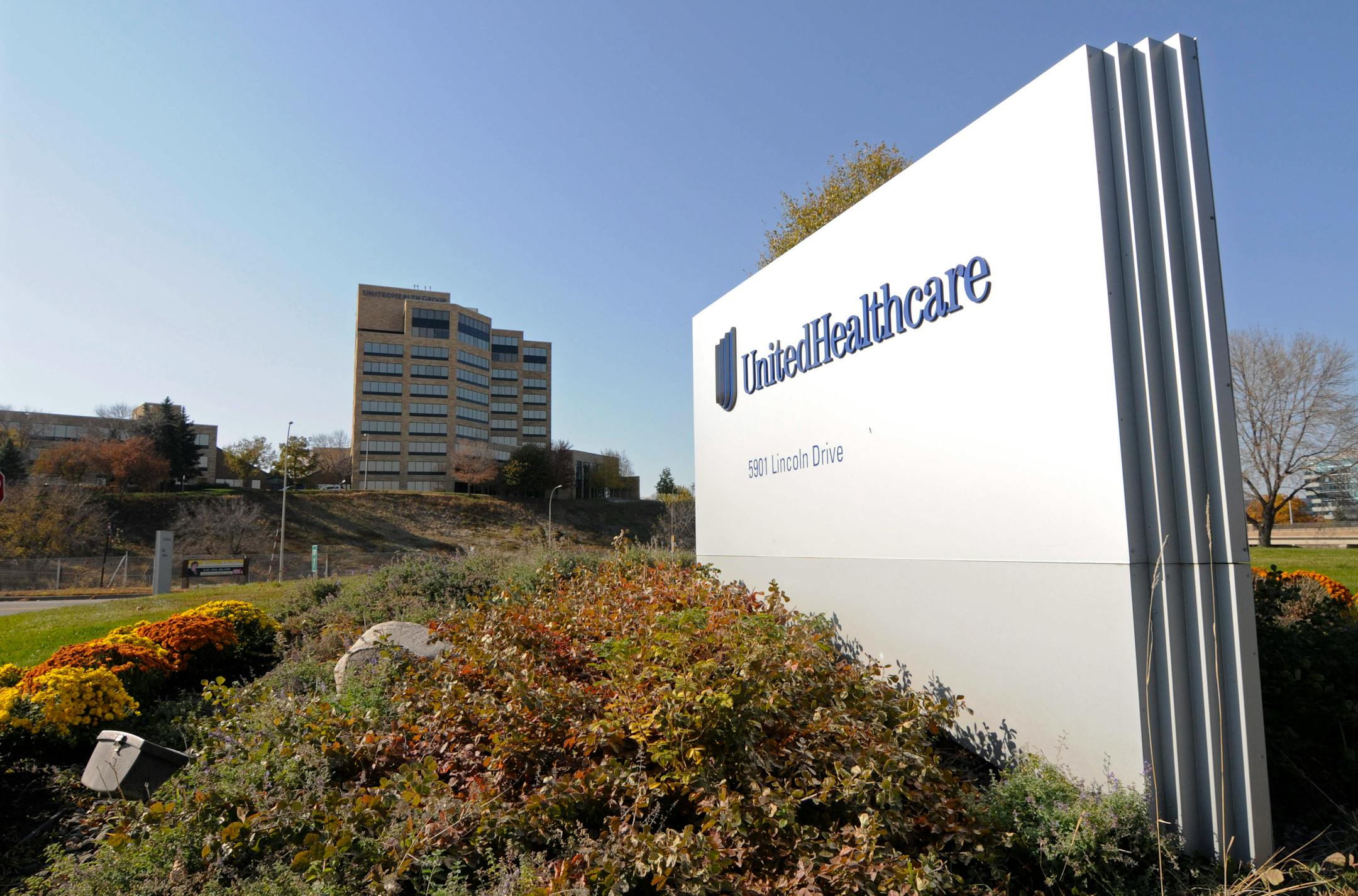
Few industries are as difficult to penetrate or complicated to report on as health insurance, but Christopher Snowbeck leads the way — breaking news and putting it into context that makes readers feel smarter. With hospitals in financial distress, insurance costs spiking and the standoff between the University of Minnesota and Fairview Health Services dragging on, I asked Snowbeck, who has covered the healthcare industry for 30 years, to share some insider perspective and a look ahead.

You report on companies that are notoriously tight-lipped with the media. How do you get the scoops?
My sources are great. I have relationships with a lot of folks in and near the insurance industry. I’m also a dedicated reader of regulatory filings and audited financial statements, which is a throwback to studying medieval history at Carleton College. The connection is obvious, right?
Filings and financial statements provide tips. Sources help me understand these tips via conversation. It’s a process of discovery that I really enjoy — and I think sources recognize that I’m genuinely curious.
Were you expecting health costs to go up as much as they are trending for 2026?
Yes and no. Last fall, Mercer projected that employer health plan costs in 2026 would increase 6.5%, the biggest projected increase in 15 years. That’s a dramatic description of things. A more ho-hum approach is to say, the 6.5% increase this year isn’t that different than Mercer’s projected 6% increase going into 2025. And as Drew Altman at KFF pointed out last year, none of the recent percent changes is big like the jumps we were writing about back in the early 2000s.
So, while I wasn’t surprised by a 6.5% increase, I’m adjusting my expectations for the corresponding financial pain. My sense is that base health care costs are so high now, a 6.5% increase today might well require more spending than a 12% increase did in 2002. I need to analyze this with a spreadsheet (another thing I love about reporting) and adjust for inflation, but I’m thinking there’s some truth in this idea.
A final note — trend gets confusing because we have multiple health insurance markets in this country where results can vary. Rates for health plans sold on MNsure, for example, are up much more than 6.5%. Plus, the realized cost trend for patients and individual consumers can have more to do with changes in funding by employers or the government than the health care trend itself. Isn’t this stuff exciting?


