
Behind the scenes at the Investors Roundtable

In today’s newsletter: Elizabeth McGeveran, Roger Sit, Ben Marks, Bill Merz, Dr. Sally Saba, Travis Talmadge, Nell Rueckl, Nicole Sever, David Faust, Christopher Wong Michaelson, Jennifer Tosti-Kharas, and Carla Vernon on CEO friendships

The Minnesota Star Tribune
January 5, 2026 at 12:00PM
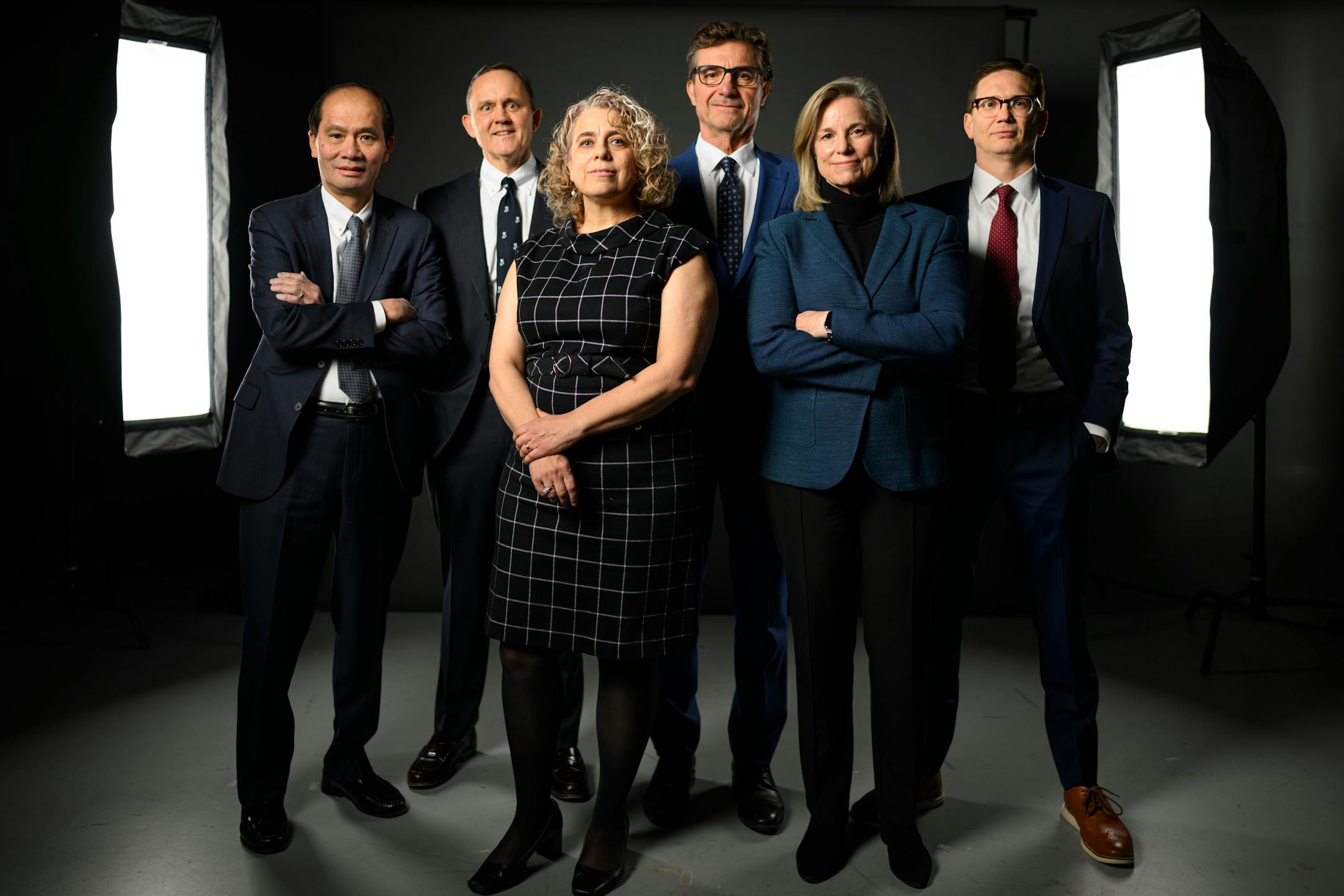
From left, Roger Sit, with Sit Investment Associates, David Royal, with Thrivent Financial, Elizabeth McGeveran, with the McKnight Foundation, Ben Marks, with Marks Group Wealth Management, Jill Schurtz, with the Minnesota State Board of Investment, and Bill Merz, with US Bank Asset Management Group, stand for a portrait Monday, Dec. 8, 2025 at the Star Tribune Photo Studio in Minneapolis, Minn. ] AARON LAVINSKY • aaron.lavinsky@startribune.com (Aaron Lavinsky/The Minnesota Star Tribune)

“It’s becoming difficult for people to afford their own lives.”

And welcome to 2026!

Kicking it off with an insider’s look at the Minnesota Star Tribune’s annual Investors Roundtable. The quote is from Elizabeth McGeveran, vice president at McKnight Foundation. She’s one of six investment officers who sat down with my colleague Patrick Kennedy in December to discuss the economy and make 2026 stock market predictions. Brought to you by the letter K.

“Housing costs are up, health care costs went up tremendously,” McGeveran told Kennedy. “Those of us who are institutional investors are doing well, but I don’t know how healthy the economy is.”

And yet, the participating investors predicted 6% to 14% growth in the S&P 500 for 2026. Ben Marks, chief investment officer of Marks Group Wealth Management, was the most bullish of the bunch, predicting the market will hit 7,800 this year. His reasoning: “the S&P 500 has been up double digits 68 percent of the time. If there’s no recession this year, I think that’s a good bet.”

Kennedy, who has led the Star Tribune’s annual Investors Roundtable for more than a decade, told me the relative optimism of the group surprised him a bit, considering the volatility each investor referenced and their growing concerns about the K-shaped economy, where the divide expands between those who are doing well and those who are not.

The roundtable offered insights on how markets might be affected by Federal Reserve changes, midterm elections, and U.S.-China relations. On the subject of AI’s next wave, Roger Sit, chief executive and investment officer for Sit Investments, predicted the beneficiaries would be “everyday companies that can take advantage of reducing their workforce, reducing their cost, improving their margins, because then it should help earnings. And earnings, as we believe, drives stock-price appreciation, and that will drive the market higher.”

One industry that didn’t make the article but is on Kennedy’s radar: Health care. It’s one of the sectors he said the investors predicted would do well next year and will benefit from AI development.

“There’s an enormous opportunity to improve the time spent on delivering patient care,” said Bill Merz, head of capital markets research for U.S. Bank’s Asset Management Group. He pointed to drug discovery diagnosis, interpretation of medical imaging documents, billing and insurance. “All of those take longer than they should. They’re more expensive than they should be, and they’re ripe for opportunities and greater efficiencies that potentially AI can contribute.”

But Merz and the others around the table told Kennedy it could take some time for those efficiencies to translate to lower health insurance and health care costs for individuals and families.

For more, check out Strib columnist Evan Ramstad’s piece which makes the case, from conversation at the Investors Roundtable, that corporate DEI and environmental goals haven’t changed as much as headlines suggest.

Goal setting

While many of us tried to wrap our 2025 Spotify-style with top 10s and engaging photos, Medtronic’s Dr. Sally Saba, global chief diversity and inclusion officer and president of the Medtronic Foundation, posed to friends and colleagues a series of questions worth asking yourself:

  • What moment asked the most of you?
    • What decision mattered more than you expected?
      • What skill did you need to relearn?
        • What are you taking with you into 2026?

          “I believe that reflection is still one of the most underused leadership tools we have,” Saba told me. “I appreciate when we are nudged to be reflective and to tap into what we learned so that the lesson can be taken forward.”

          I’ll be sharing other business leaders’ 2026 goals — personal and professional — throughout the month in North Star Insider. I’d love to hear yours, along with any tips or tools to help you get there. Send to northstarinsider@startribune.com.

          Trend watch

          Soaking in a hot pool is a warm option at the Watershed bathhouse. (Watershed Spa)

          The Twin Cities is fully plunging into the bathhouse craze (a tad late, per usual, to the international movement). My colleague Victor Stefanescu recently reported on Bathhouse, a national chain that is about to start construction on a massive facility in the North Loop that will feature a rooftop pool, indoor pools and a sauna that can hold 100 people.

          “It’s social. It’s fun,” co-founder Travis Talmadge said, adding that “It’s not about this kind of performative relaxation — or kind of cucumber-eyes thing — that is associated with spa culture.”

          Is that a dig at Watershed Spa, which takes the quiet and meditative nature of the sauna-steam-soak-cold plunge cycle seriously? Watershed founder Nell Rueckl brought the modern bathhouse experience to Minneapolis in 2022 and has been trying to keep up with demand since. Now Rueckl is planning a second location in the North Loop, in the former Bev’s Wine Bar space. Expected to open in late spring, it will feature four massage treatment rooms, a communal bathing space, private soaking tubs and a meditation area. At the same time, Watershed plans to double the size of its original Switch House building location in Minneapolis, adding a new salt room, infrared sauna and outdoor relaxation area.

          “We believe deeply in the inherent benefits of bathing,” Rueckl said, “and are dedicated to creating spaces where individuals can set their intention, leave the world behind and enter an elevated frequency that is rooted in the vibrational power of healing.”

          Exec Moves

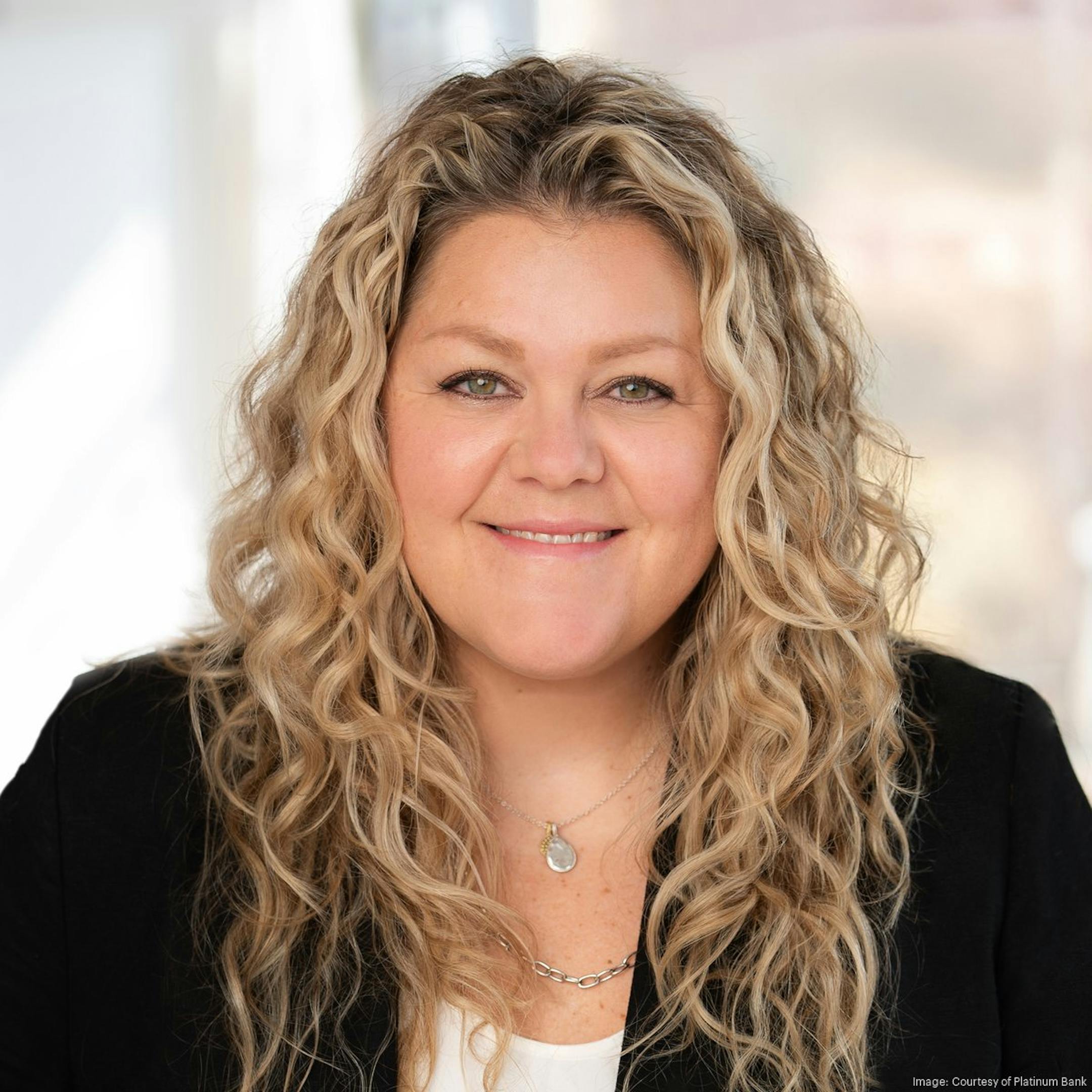
          Nicole Sever, president, Platinum Bank

          Monday, Jan. 5, is Nicole Sever’s first day as president of Platinum Bank. She succeeds David Faust who is credited with growing the Minnesota-based commercial bank from $150 million to $710 million in assets. Faust will stay on as vice chair.

          Sever joined Platinum Bank in 2025 as chief sales officer, following more than 12 years with BMO. Platinum’s sweet spot is small businesses, startups and companies with up to $50 million in revenue. “We love working alongside business owners to support their growth.”

          As for the current state of the economy, she said: “I don’t think we’re out of the woods. It’s a time to lean into your relationships and the advisers around you.”

          Although she’s worked in commercial banking for nearly 20 years, Sever’s undergraduate degree is in fish and wildlife biology. She wanted to work for the DNR — “managing an ecosystem, a bird population or who knows what.” Difficulty finding a job, particularly in the Twin Cities, led her to a temp agency, which placed her at a bank, and that’s how she began climbing the ranks in commercial banking. Along the way, she realized she gets the most satisfaction from leading teams. Platinum employs 95, with offices in Oakdale and Plymouth.

          “I’m a people-first leader,” Sever said. “Sometimes I show up as a mom who had a hard time getting out of the house, and I share that with the team. It’s good for bonding.”

          In the news

          Smart investment: The best performing Minnesota public company stock in 2025 was Celcuity, a clinical-stage biopharmaceutical firm that has yet to turn a profit. Get the full list of Minnesota’s top stocks.

          Being honest: Honest Company CEO Carla Vernón, a former General Mills exec who keeps a foot — and an influential network — in Minnesota, talked to Fortune about being mentored by Walmart’s retiring CEO Doug McMillon. “I wish that, in our sector of CEOs, we took more time to help coach, grow and build each other, so that maybe we could be a stronger body doing right by businesses, employees, culture and society. We’re in such units of one and we don’t have to be.”

          Year of the four-day workweek?: Americans work more, on average, than in most other wealthy countries and employee engagement is at a 10-year low. University of St. Thomas professor Christopher Wong Michaelson, co-author of the book “Is Your Work Worth It,” and writing partner Jennifer Tosti-Kharas penned a piece in the Conversation about how to change work for the better.

          Get North Star Insider delivered to your inbox twice a week for the inside scoop on Minnesota’s business community. Sign up here.

          about the writer

          about the writer

          Allison Kaplan

          Allison Kaplan is Director of Innovation and Engagement for the Minnesota Star Tribune.

          See Moreicon

          More from North Star Insider

          See More
          card image
          Aaron Lavinsky/The Minnesota Star Tribune

          In today’s newsletter: Elizabeth McGeveran, Roger Sit, Ben Marks, Bill Merz, Dr. Sally Saba, Travis Talmadge, Nell Rueckl, Nicole Sever, David Faust, Christopher Wong Michaelson, Jennifer Tosti-Kharas, and Carla Vernon on CEO friendships

          card image
          card image