


Opinion editor’s note: Strib Voices publishes a mix of commentary online and in print each day. To contribute, click here.
•••
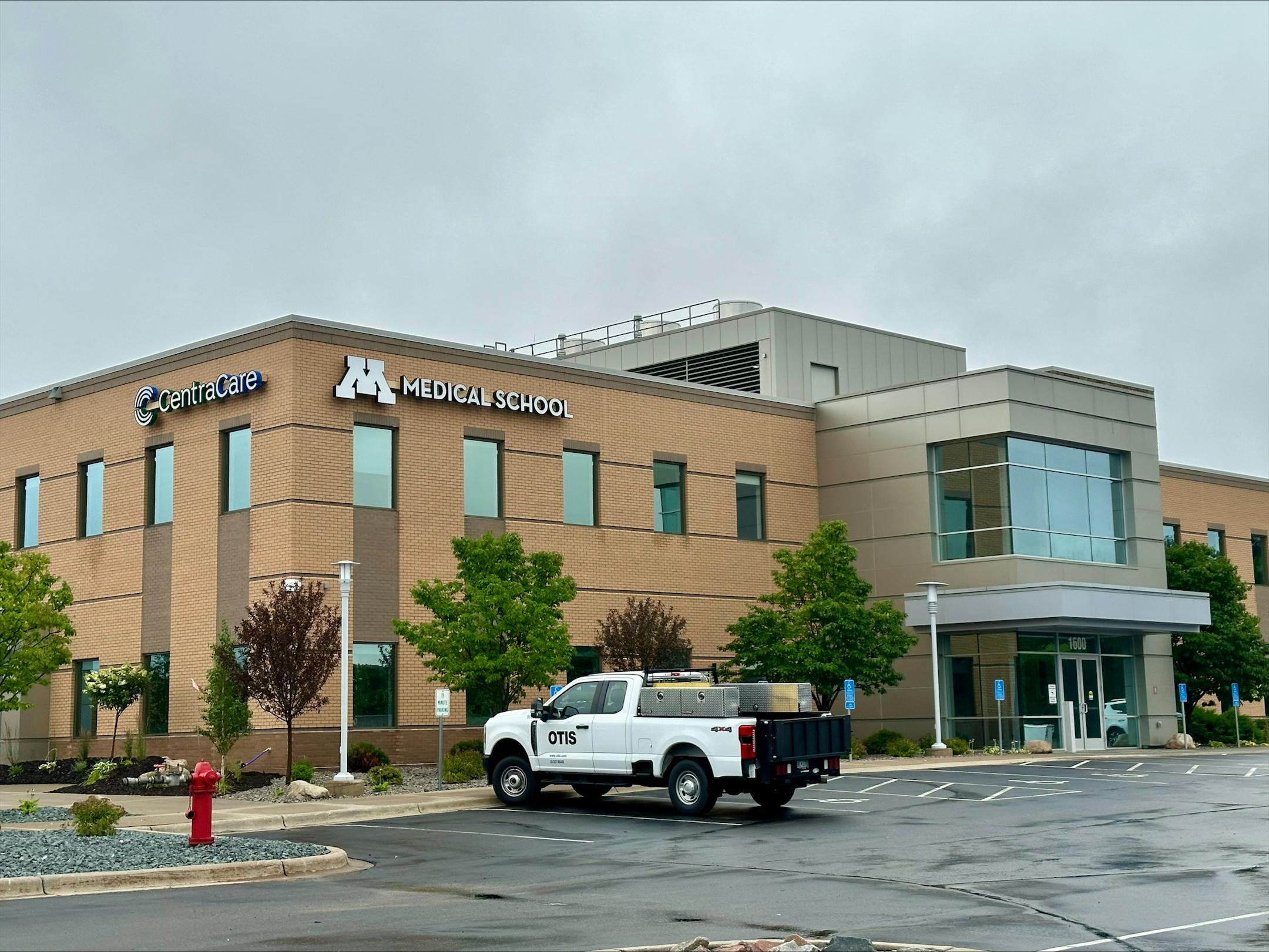
A before-the-ribbon-cutting preview of University of Minnesota’s new medical school campus in St. Cloud revealed an impressive state-of-the-art learning environment.
Natural light fills the anatomy lab, where a Cold Spring, Minn., native and award-winning professor now teaching in Great Britain will soon begin instructing students. Another classroom is a convincing replica of an emergency room, complete with Stryker-brand patient beds and oxygen hook-ups in the wall, where students will hone caregiving skills in a setting designed to give them familiarity with the real-world equivalent. Then there’s the brand-new student apartments with a connected walkway to classrooms, which will blunt winter weather.
A heartwarming though seemingly minor detail speaks volumes about the mission of this new branch of the medical school. Conference rooms and study nooks throughout the 60,000-square-foot repurposed CentraCare office building are named after the hometowns of the 24 students in the inaugural class.
Among them: Slayton. Willmar. Hutchinson. Milaca. Sauk Rapids. Foley. Rice. Maple Lake. Hollandale. Gaylord. Shafer. Even tiny Bowlus, a Morrison County town of 279, is represented.
It’s rural communities like these that especially stand to benefit from the doctors with regional roots who will graduate here, which is why the ribbon-cutting ceremony slated for 4-6 p.m. Sunday (and open to the public) is a Minnesota milestone.
Rural Minnesota faces a “severe shortage” of primary care physicians, one that’s likely to become even more acute in years ahead. The St. Cloud medical school branch is the first such campus to open in the state since 1972. It, and its emphasis on rural and primary care, is a timely solution to the doctor shortage.


