Opinion editor’s note: Strib Voices publishes a mix of material from 8 contributing columnists, along with other commentary online and in print each day. To contribute, click here.
•••
Drive up Hwy. 8 into Lindstrom and you’ll find a small team doing something quietly radical for Minnesota cannabis.
Concentrate Labs, which operates the Roots & Resin Farm, has chosen flavor, purity and Minnesota craft over shortcuts. It’s growing and harvesting flower designed not just to smoke but to become solventless rosin, a concentrate which can be dabbed or heated up so that its vapor can be inhaled.
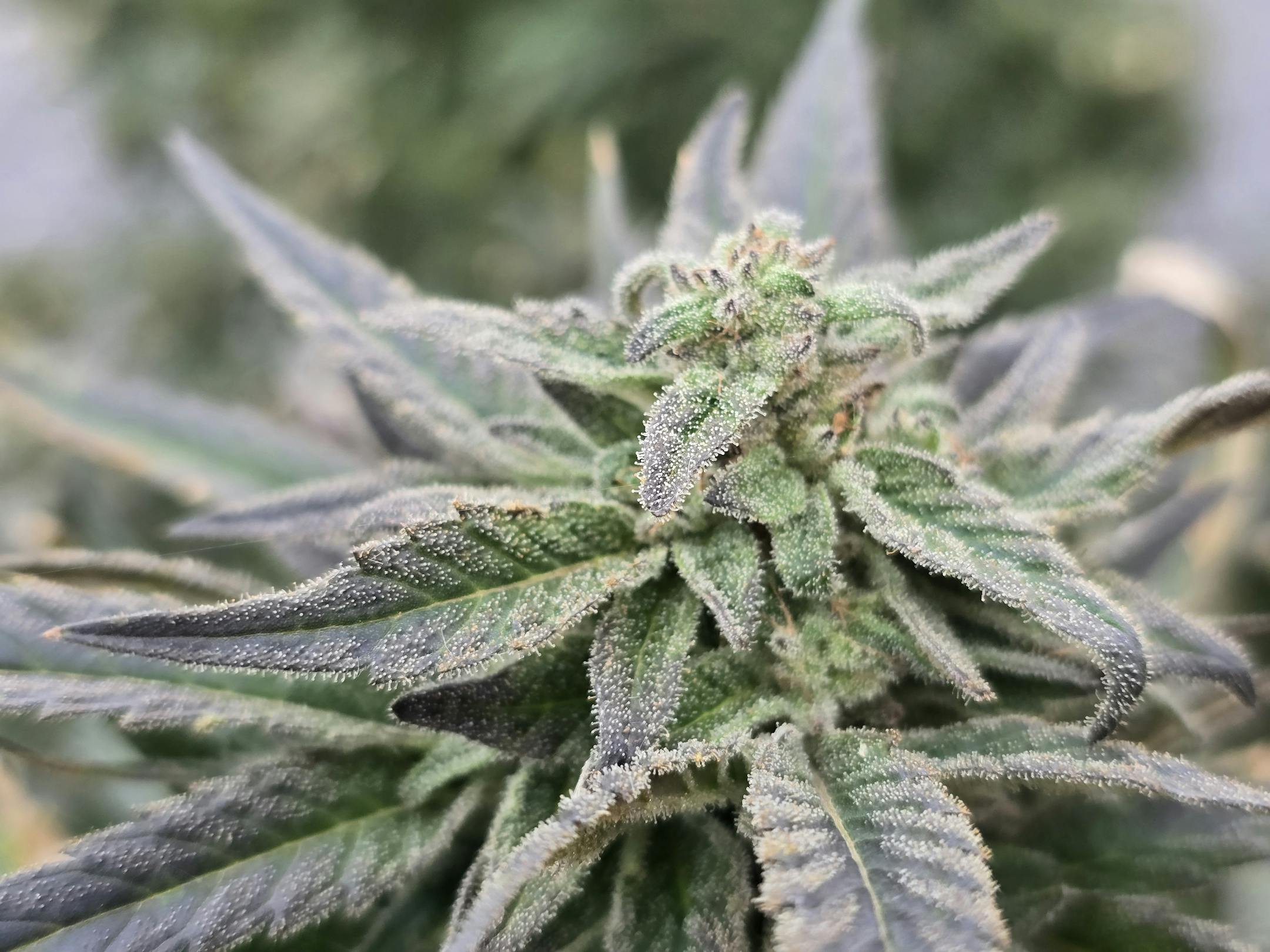
Instead of the flower itself, the real action with rosin is in the trichomes — the tiny, glassy glands frosting each bud. Rosin is simply those trichome heads collected as ice-water hash (made by washing the trichomes off flowers into ice water) that is then pressed with careful heat and pressure. No hydrocarbons, no ethanol, no post-processing chemistry. Just the plant, water, temperature and time.
This year, Concentrate Labs co-founders Preston Torres and Max Young joined the first wave of nontribal cultivators approved to plant and harvest cannabis for the adult-use market. Their Lindstrom site was highlighted as an early entrant and, notably, one oriented toward rosin rather than commodity flower. It’s a craft decision and a bet on quality.
I recently visited during harvest. What stood out wasn’t just the tidy rows of plants; it was the discipline. Rosin rewards patience. You cut at peak ripeness and “fresh-freeze” flowers to lock in the most delicate aromatics. Later, frozen buds are washed gently in ice water to knock loose trichome heads where cannabinoids and terpenes live and settle like gold dust in a prospector’s pan. The loose hash is freeze dried, sifted and pressed between heated plates into rosin that looks like dollops of soft honey or cold-cure butter, depending on technique and temperature.
It’s culinary thinking applied to cannabis: protect ingredients, respect the source, let nature lead. It isn’t the quickest path to volume, but it may be the surest path to Minnesota terroir.