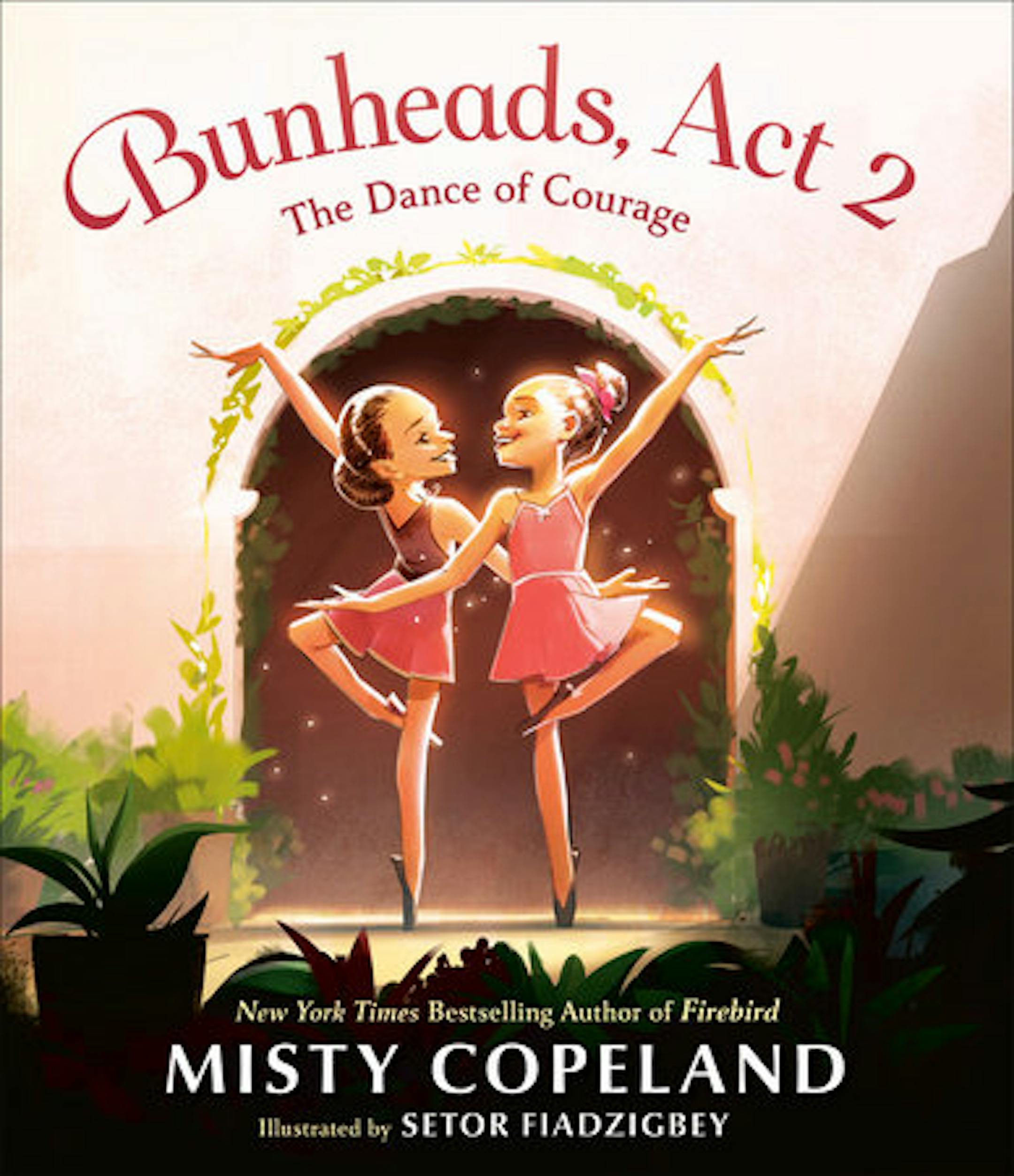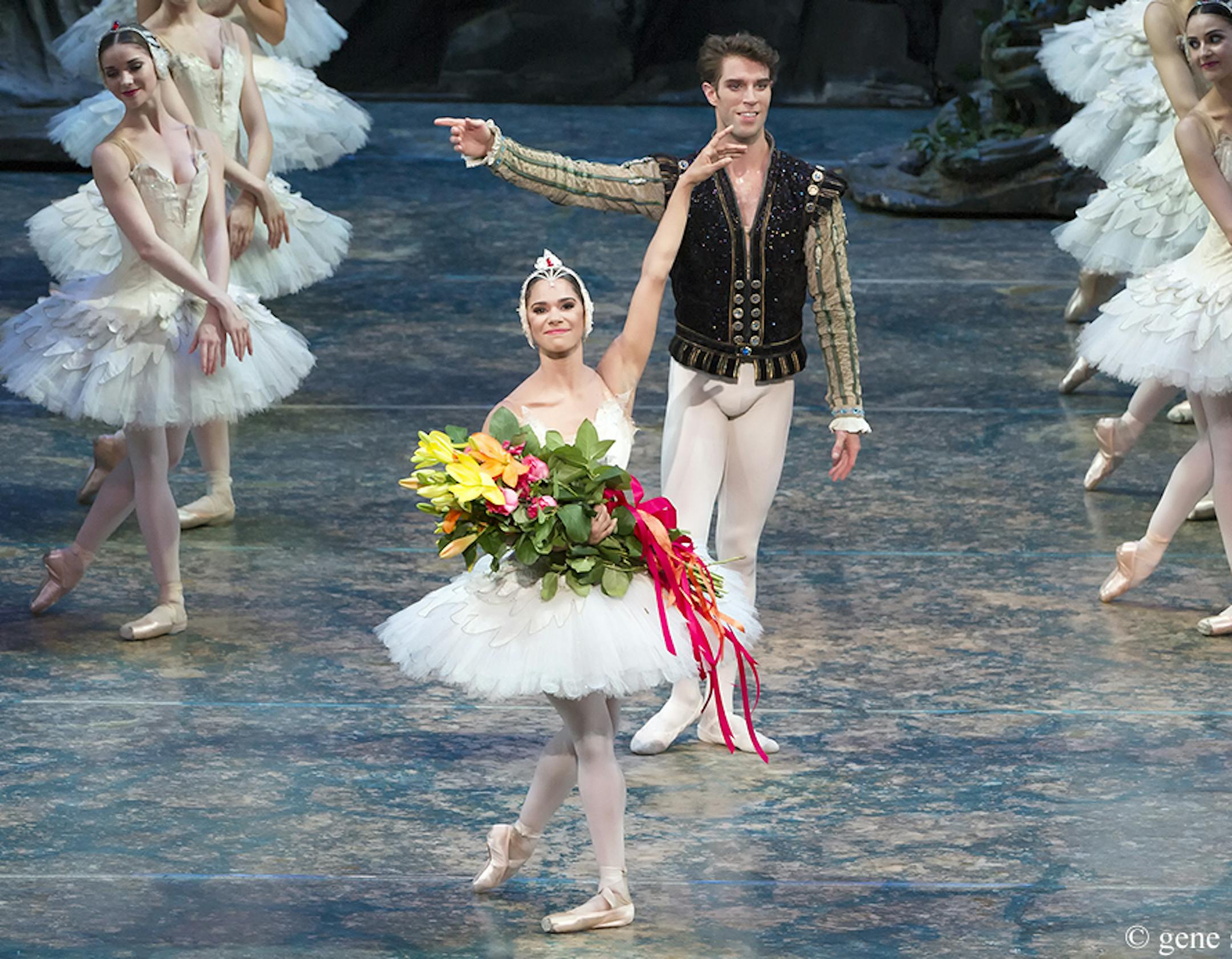
Next month, Misty Copeland will take the final bow of her trailblazing ballet career and, this month, she has a new children’s book that focuses on her early years.
The first Black principal dancer for New York’s American Ballet Theatre (ABT), Copeland has earned acclaim almost since she first picked up a tutu at 13 (late for a professional dancer). She’ll be in St. Paul Sunday as part of the Minnesota Star Tribune and MPR News’ Talking Volumes series, to talk about her journey from teenage prodigy to arts superstar (she danced while Prince performed “The Beautiful Ones” on a talk show), motivational speaker and author.
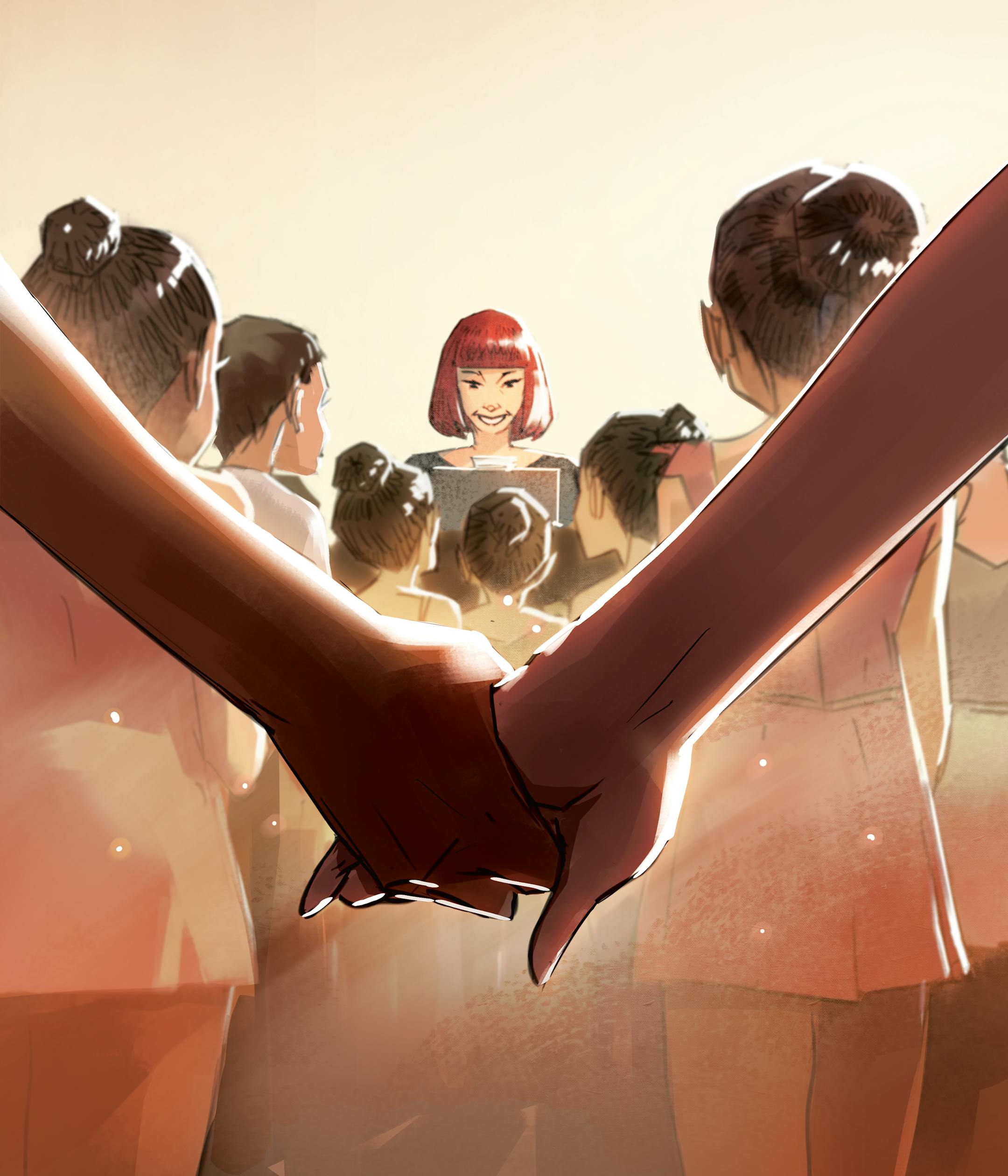
Copeland has written memoirs, including bestselling “Life in Motion,” but her latest is a picture book that draws on her early days as a dancer, “Bunheads, Act 2: The Dance of Courage.” Its story includes some of the pitfalls and hard work of ballet (a friend of the character inspired by Copeland is injured), the relationships it can create and the medium’s power (the book’s dancers are performing the classic “Don Quixote”). She’ll speak about those topics with MPR News’ Kerri Miller at St. Paul’s Fitzgerald Theater Sunday at 2 p.m.
For Copeland, it all began with discovering the talents that rocketed her to fame: “Everything I have the privilege to do in my career is all a result of being a classically trained ballerina. The opportunities I have, everything I do outside of my career on stage, is really connected to dance.”
The autobiographical “Bunheads, Act 2,″ and the picture book that preceded it, “Bunheads,” tell a big part of that story.
“It’s really based on how I came into dance. It’s a group of young, misfit kids who find this commonality in the ballet studio. They’re from different backgrounds and cultures and communities but they’re a close circle of friends and they support each other on the way to getting on a stage for a performance,” said Copeland, by phone from New York City. “All of them are based on actual friends of mine that I grew up with.”

Much has been written, including by her, about Copeland’s turbulent adolescence, which included seeking emancipation from her mother and a custody battle between her mother and the mentors who introduced her to ballet, as well as her fight for body positivity in a ballet world that was not always accepting of what she calls her and other dancers’ “curves.” But Copeland says she prefers to focus on what ballet has given her and how it can give even more to others.
“A lot of people focus on the struggle of my experience, my story. There’s so much light and joy and positivity in my life and in my ballet experience. What I wanted to capture was the essence of how I feel about ballet, which was so positive. Yes, I was the only Black girl, but I had a teacher who opened up her studio to me,” said Copeland, 42. “She was very conscious and aware of what my experiences might be. She created a very safe and nurturing environment, where she allowed us all to be individuals. And the way ballet is taught doesn’t always celebrate that.”