

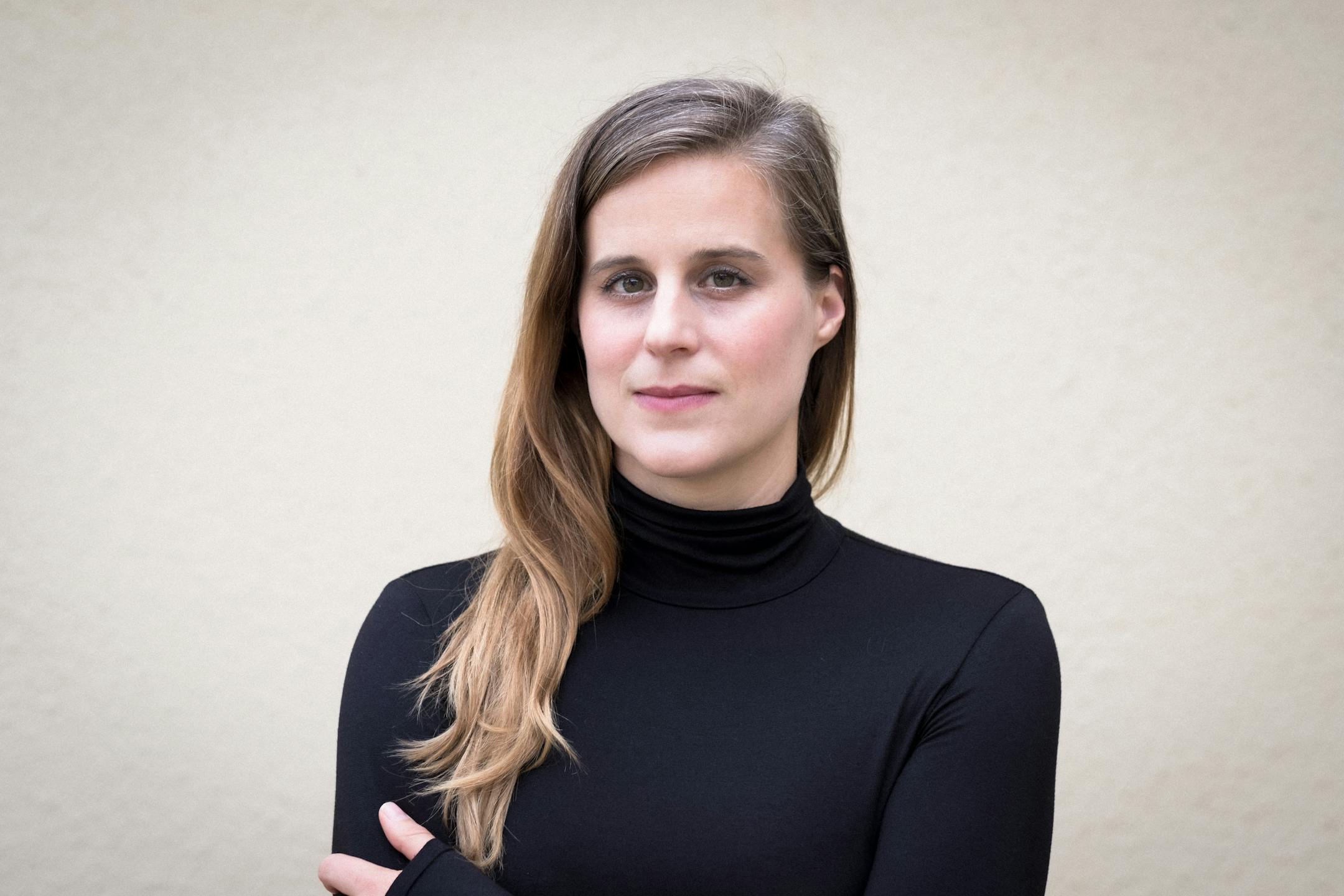
Lauren Groff’s new collection, “Brawler,” should come with a warning because anyone who picks up the book and idly starts reading the first story will be unable to stop without finishing it.
“The Wind” is 18 nonstop pages of drama, tension and deft character sketching, beginning with this sentence: “Pretend, the mother had said when she crept to her daughter’s room in the middle of the night, that tomorrow is just any ordinary day.” It’s not ordinary, though; it’s the day a mom and her children attempt to escape from their abusive husband/father. It’s written from the daughter’s perspective, years later, so we know she survives but every word of “The Wind” is packed with danger.
Like “The Wind,” several stories in “Brawler” deal with secrets. The secret of the family’s escape is kept but others in the book are not, with sometimes devastating consequences. When a group of women friends gather to drink peach schnapps and tell each other “the worst thing they’ve ever done,” a long-held confidence is revealed, one that shifted the course of one of the women’s lives. In “Annunciation,” the betrayal of a shy co-worker’s confession alters the fates of the betrayer and the betrayed. In “Between the Shadow and the Soul,” a couple, comfortably married for decades, discover they don’t know each other as well as they thought they did.
Groff already has investigated the mysteries of marriage in her blockbuster “Fates and Furies,” which remains her best-known book. That novel was filled with sharp, wish-I’d-thought-of-that observations about how people behave and, while I worried that a collection of nine stories might have less room for that sort of revelation, it actually has more. Each of the nine rich tales has enough character detail and intrigue to fill a full-length novel.
Like “Fates and Furies,” the stories in “Brawler” wouldn’t be classified as “thrillers” — there are no spies here, no murder mysteries. But Groff plants sly clues that will be important later, like Agatha Christie if she taught creative writing at the Iowa Writer’s Workshop (which Groff did). If a character remarks on the epinephrine pen another carries in his fanny pack, plan on it being significant.
Avid readers may think of Ian McEwan’s “Atonement” when they read “Under the Wave,” another almost-a-thriller about an unsettling child who seems to have been introduced too early to adult concepts she doesn’t fully understand. (Be sure to read the author’s note at the end of the book, which offers brief glimpses into the origins of the stories, including this hint of autobiography about “Under the Wave”: “I know a person who spent an entire week in Hawaii at a beach resort absolutely positive that a tsunami would roll in while she slept and swallow up the whole island, that she would awaken in a dark thrash, already drowning. I am not a fan of that person, who lives somewhere inside me.”)
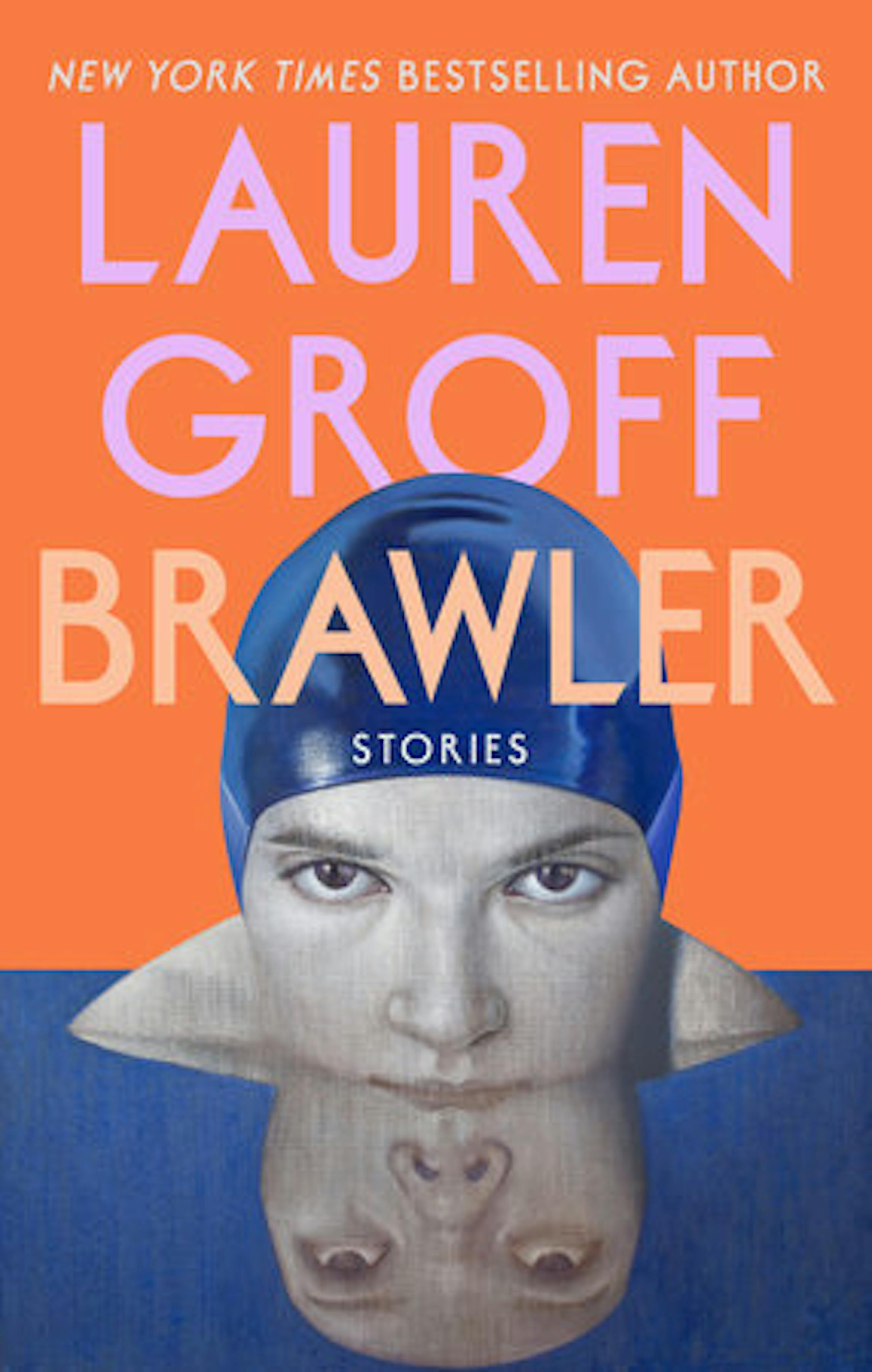
It figures that even little explanatory sketches at the back of the book are great reading, because Groff’s imagery is dead-on. From “Under the Wave” again, this description of a sight that will stay with one character forever and that will likely stay with me almost as long: “The girl saw a look on the woman’s face that in the future she would think of every time someone crumpled a sheet of paper into a ball.”
Groff also is hilarious (“Well, isn’t it hot, Slim said, interrupting Diana, which wasn’t counted as rude because nobody ever listened to Diana”), provocative and plenty of other adjectives. Long story short: “Brawler” is a knockout.


