


A month into the year, the first great novel of 2026 is here.
Patmeena Sabit’s debut, “Good People,” may remind readers of Celeste Ng’s bestselling “Little Fires Everywhere” in that it’s a domestic tale that reads like a propulsive thriller and springs from a clash of cultures. Sabit writes about the Sharaf family, who came to the Washington, D.C., area from Afghanistan and have become hugely successful — until tragedy erases all the progress they think they’ve made.
“Good People” takes the form of an investigation. We never hear from the Sharafs — father Rahmat, who built a business empire from nothing; devoted mother Maryam; son Omer, a budding entrepreneur; stunning daughter Zorah, who chafes at her family’s rules; and two little-seen younger children. Sabit presents us with dozens of eyewitness accounts from neighbors, friends, law enforcement and news media, all of whom attempt to understand a tragedy that’s revealed about one-third of the way through the book.
It’s riveting stuff, in part because the picture of the Sharafs is so complex as readers try to assemble the dozens of narrators’ accounts into a whole picture (and an explanation for the tragedy).
Most observers think the Sharafs triumphed over long odds. Some believe they turned their back on Afghan culture. Some claim they knew all along about fractures in the family. Others believed the Sharafs lived a fairy tale. All are stunned by secrets that eventually emerge.
A key theme of “Good People” is the cultural schism the Sharafs weather; the parents are proud of how successfully their children navigate American customs but often baffled by the behavior of Zorah, in particular. She considers herself American, but her parents cling to the way things worked in Afghanistan and expect her to observe practices they grew up with, including arranged marriages and filial piety. Early in the book, it becomes clear those tensions will explode somehow, which they do when Zorah dates a young man her father disapproves of, as described by a family friend:
“In [Afghanistan], a thousand men would have stood with [Rahmat]. They would have dragged that bastard through the streets by his greasy head and buried him alive and then buried his father and brothers on top of him as a lesson to his whole tribe. They would have had that girl back under her father’s roof before the sun went down on the day she ran away. God, custom, the law — everything would have been on his side. But here? Here he was the guilty one."
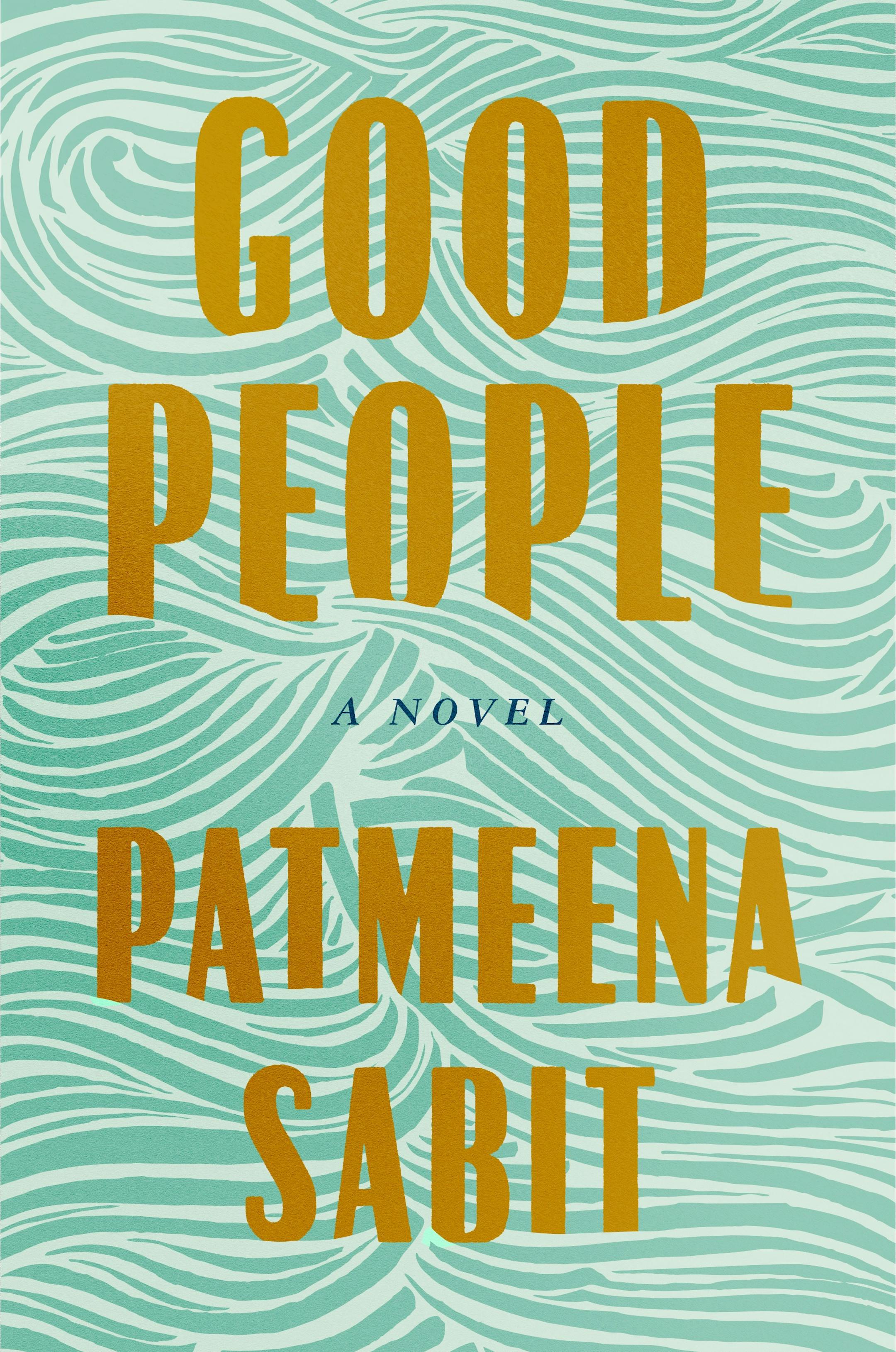
That’s one of the more extreme views, but I kept changing my mind about who was in the right as I read, for instance, Zorah’s social worker’s sympathetic account of a disagreement with her family alongside her friend’s increasingly concerned narrative. A key to the success of this is how deftly Sabit captures dozens of voices, ranging from old country friends who use Afghan idioms (“they were going to crawl into our eyes,” meaning “try to convince us not to believe what we’re seeing”) and reporters who seem to know more than their just-the-facts accounts can reveal.


