

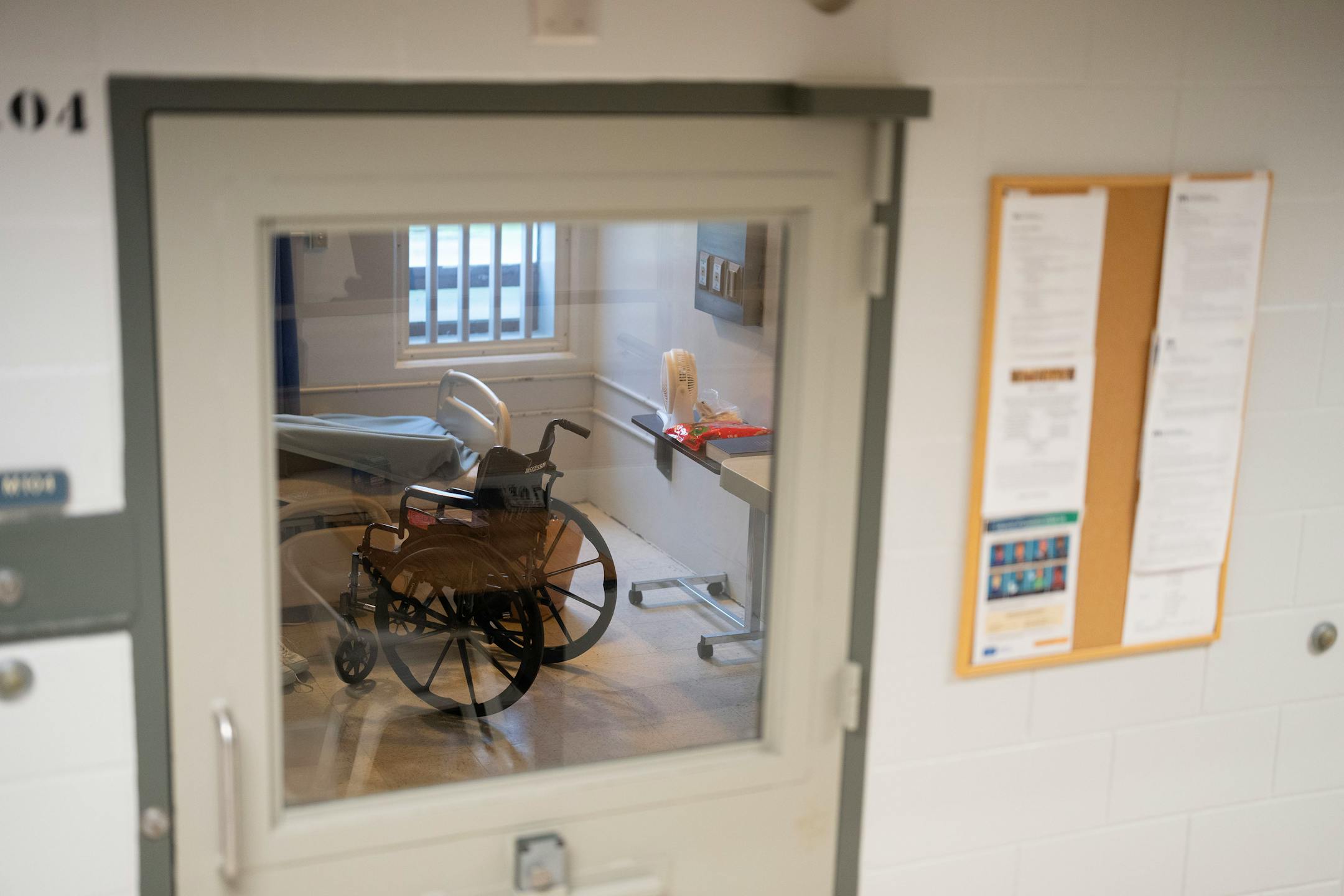
At Minnesota’s most secure prison, in Oak Park Heights, one wing functions more like a nursing home than a cell block. Men in hospital gowns sleep in adjustable medical beds, and wheelchairs crowd the hallways as nurses make quiet rounds. Board games clutter bookshelves on the second floor of the unit.
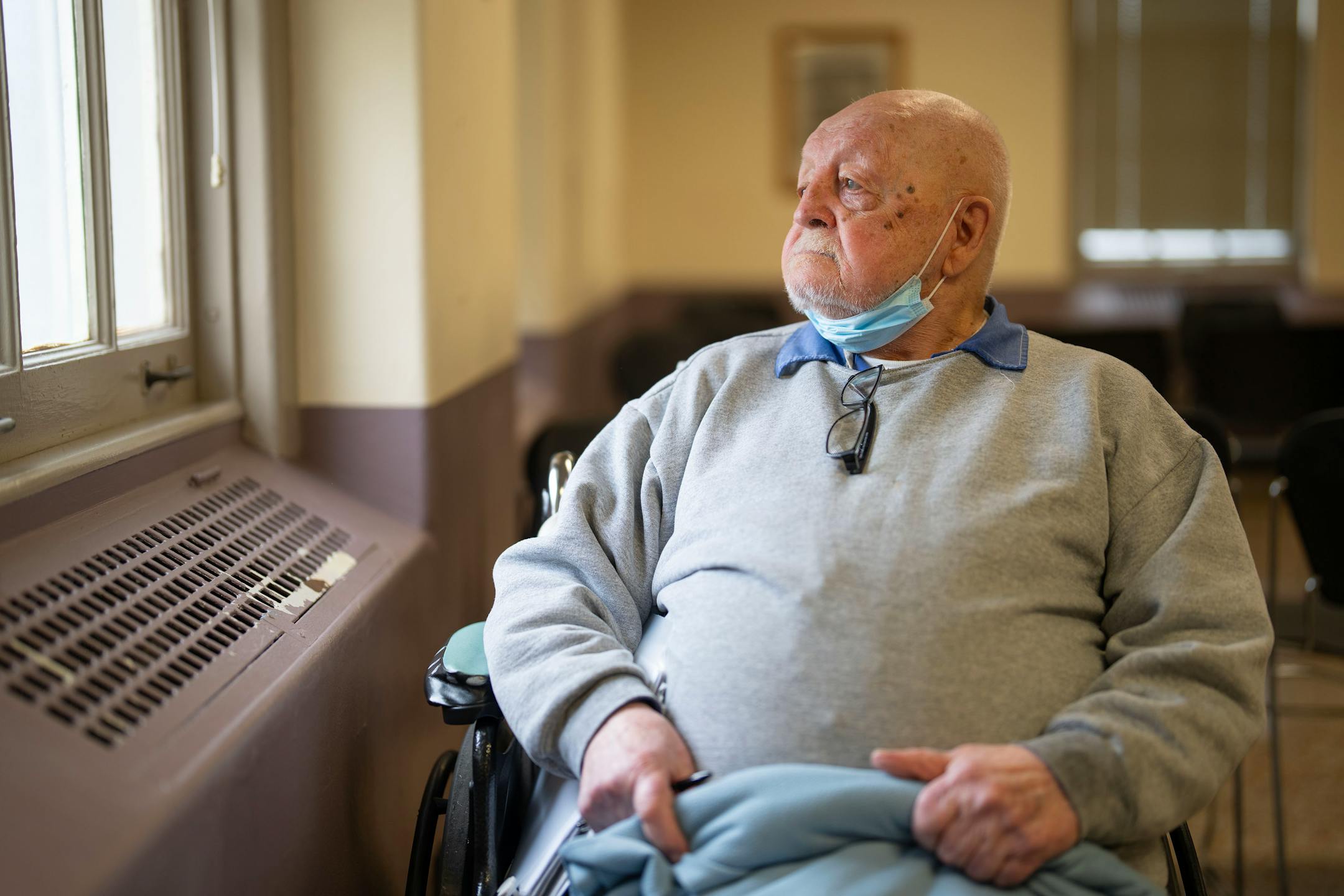
Minnesotans in prison are growing old — fast. Nearly 1 in 5 people incarcerated in the state is over 50, a figure that’s more than tripled since 1999. The oldest is 93. Thirteen others are in their 80s.
A decade ago, Minnesota ranked among the states with the highest annual per-capita prison health care costs. Those costs have more than doubled, to $16,273, since then. Prison health care costs have increased 45% in the past three years.
As the overall population ages, so do the people behind bars. Harsh sentencing laws from past decades also contribute to the aging population.
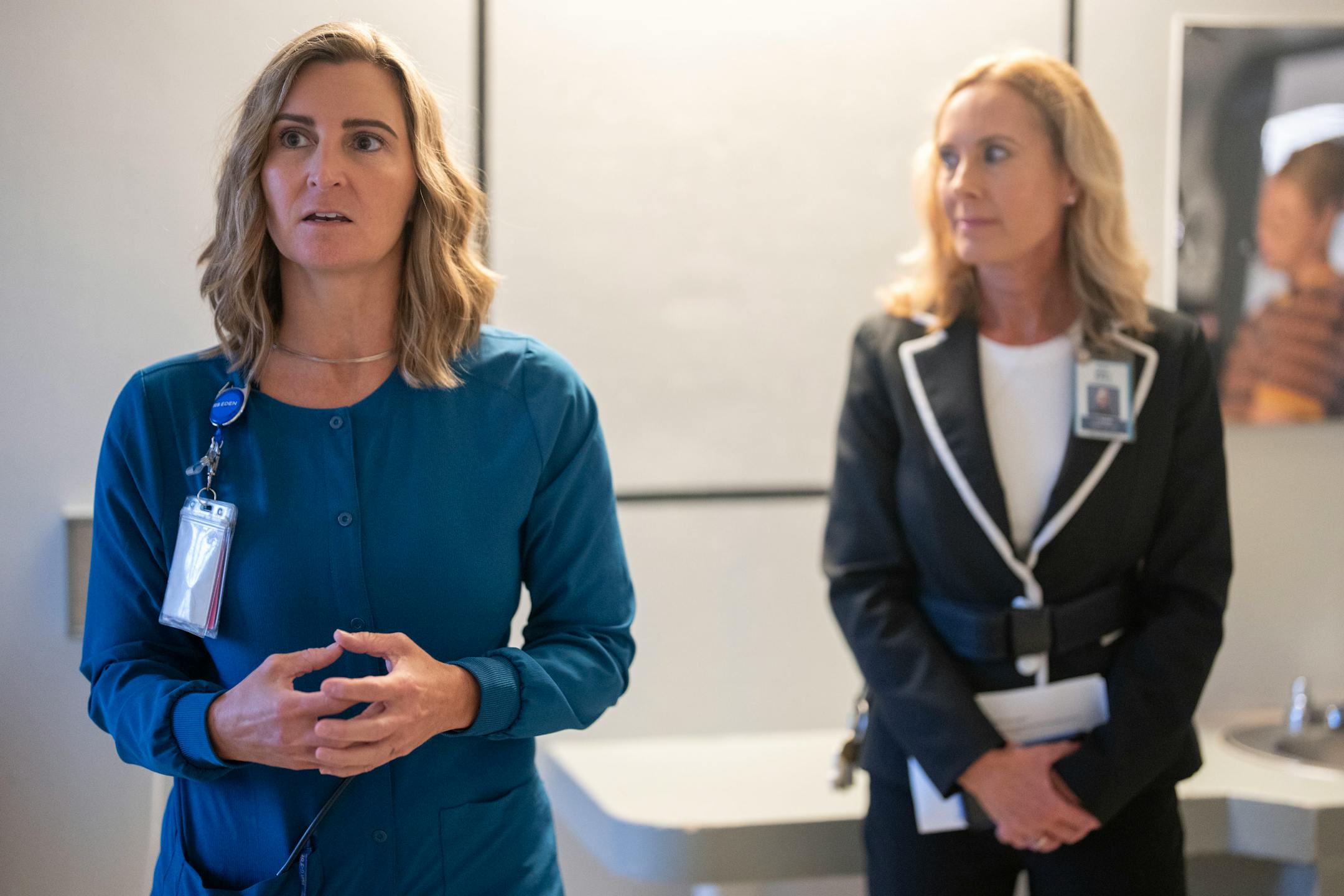
“Aging is costly, and it exists whether they’re here or in the community — it just depends on what source is the payment," said Jolene Rebertus, director of health care, recovery and programming at the Minnesota Department of Corrections (DOC). “We are obligated to provide the care regardless.”
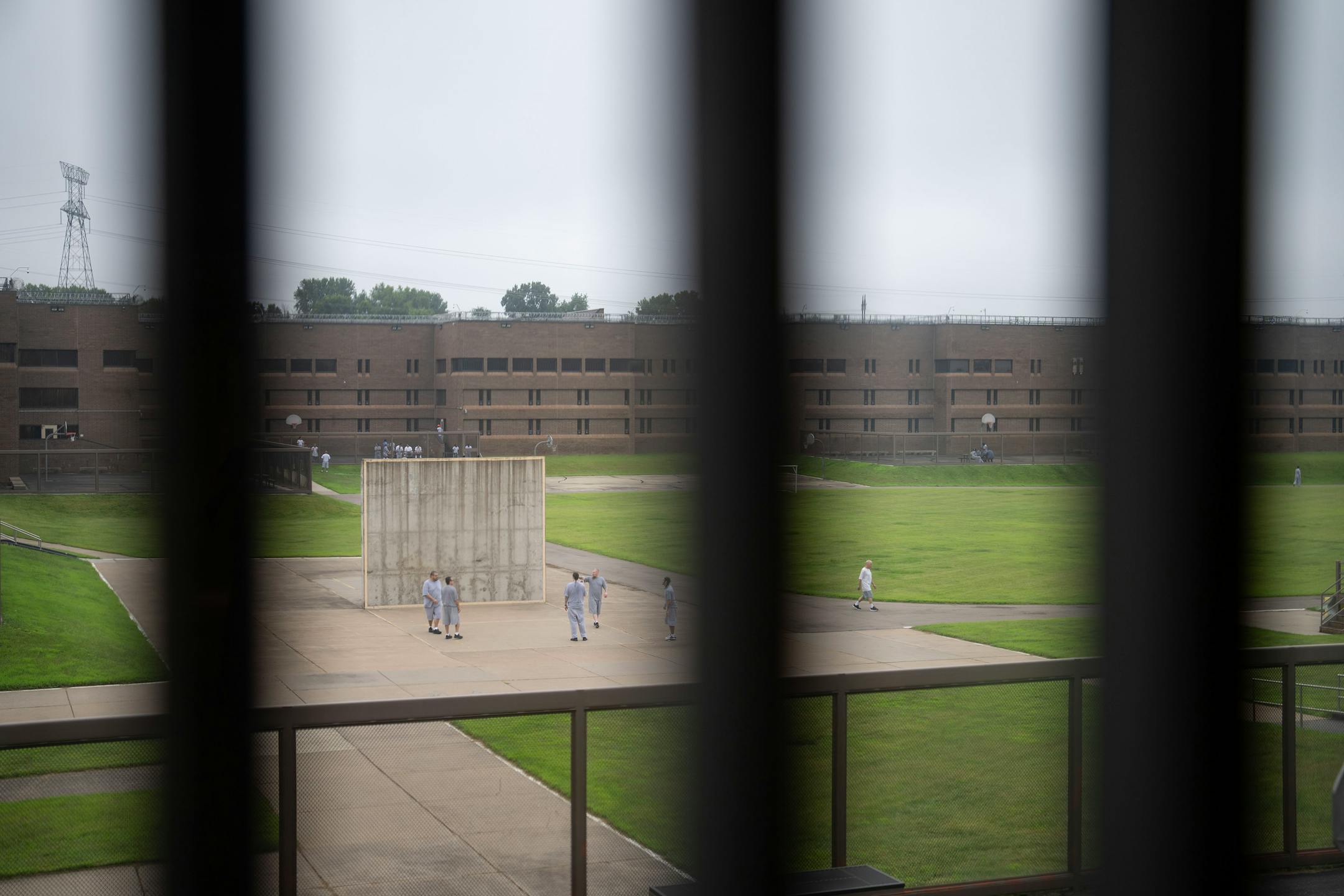
State prisons changing to serve older inmates
About 1 in 6 Americans was 65 or older in 2020 — up from less than 1 in 20 a century earlier, according to 2020 census data. In Minnesota, the trend is even more pronounced: The Minnesota State Demographic Center projects the number of adults 65 and older will double between 2010 and 2030, meaning 1 in 5 Minnesotans will soon be an older adult.
The changing prison demographics have placed intense pressure on a system ill-equipped to manage chronic illness, geriatric care and end-of-life services.
The state’s prisons are trying to adapt. Oak Park Heights’ transitional care unit (TCU) can hold 54 inmates, and right now holds 23, said Joan Wolff, DOC associate director of nursing. The DOC also retrofitted a wing into a 100-bed geriatric unit at the state prison in Faribault.





![Main entrance to the Gonda Building. For more than a century, the city of Rochester has been shaped and defined by the Mayo Clinic. Now the Mayo has a $6 billion vision to reshape the city and itself.Wednesday, February 21, 2013 ] GLEN STUBBE * gstubbe@startribune.com ORG XMIT: MIN1302211648220346](https://arc.stimg.co/startribunemedia/DW2TKC4EDLZZOGDOC5ZEYZNOJ4.jpg?&w=252&ar=3:2&fit=crop)
