
Minnesota officials alerted to housing fraud two years before indictment

Minnesota Department of Human Services didn’t investigate and kept making payments to provider.

The Minnesota Star Tribune
September 20, 2025 at 11:00AM
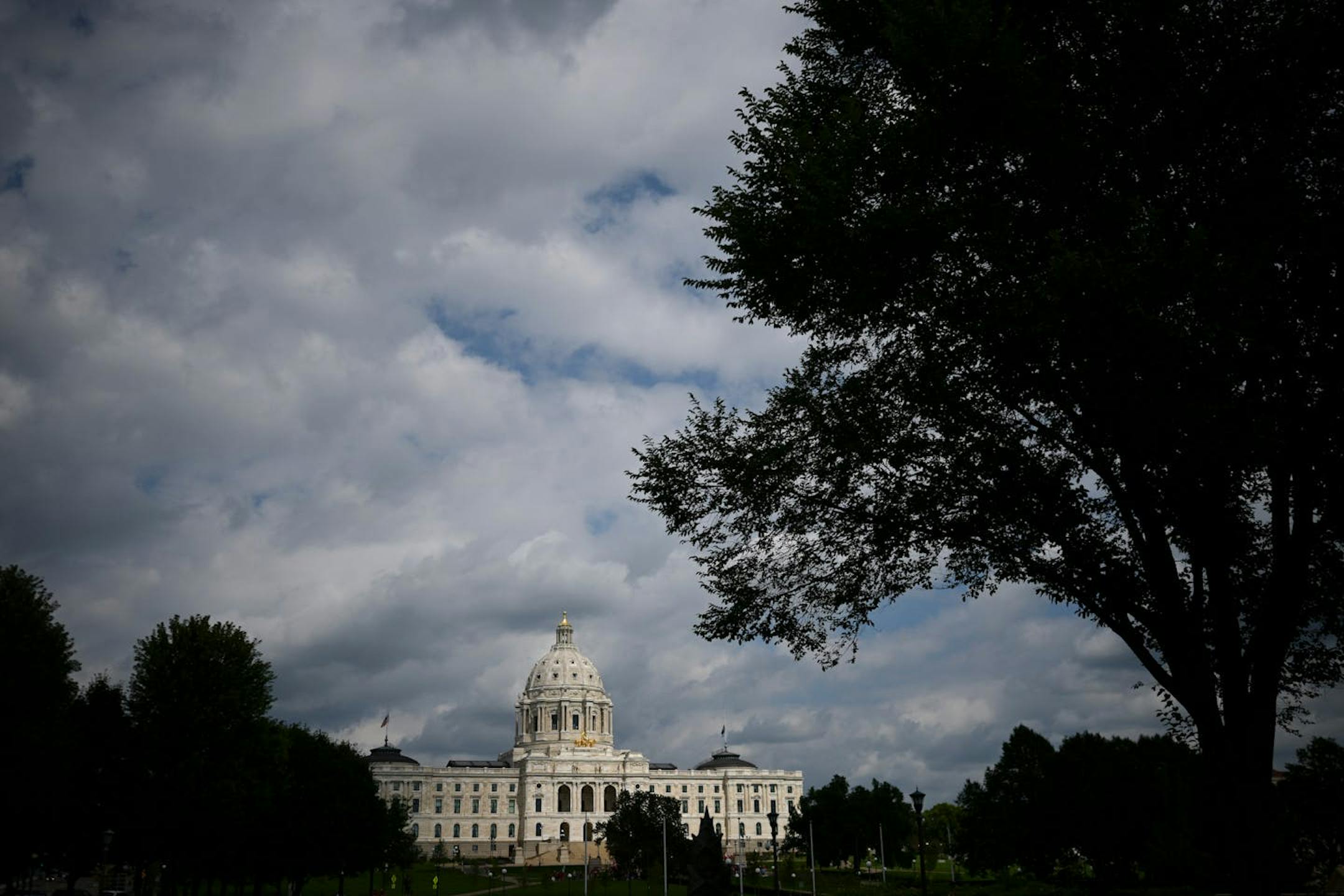
An unidentified case worker notified the state in September 2023 that Faladcare LLC was falsifying timesheets to receive payments through the state’s Housing Stabilization Services program, according to state records. (Aaron Lavinsky/The Minnesota Star Tribune)

Two years before the U.S. Department of Justice indicted Christopher and Emmanuel Falade for allegedly defrauding the state, the Minnesota Department of Human Services was warned their company was engaging in potentially fraudulent activities.

An unidentified caseworker notified the state in September 2023 that Faladcare LLC was falsifying timesheets to receive payments through the Minnesota’s Housing Stabilization Services program, according to state records.

The caseworker also claimed the company was “evasive and nonresponsive” to questions.

“These suspicious actions, poor communication and lack of transparency make us suspect Falad Care [sic] may be engaging in fraudulent billing practices ...” the complaint said.

The Department of Human Services (DHS) never investigated the complaint, referring it instead to an outside Medicaid administrator.

The DHS continued making payments to Faladcare for nearly two more years, shutting them off only after the FBI searched the company’s offices in July.

Federal prosecutors indicted the Falades on fraud charges for allegedly billing more than $2.2 million in services through the program. State data shows the company received more than $700,000 in 2024 after the DHS was made aware of fraud allegations.

Neither the Falades’ attorney nor the company returned messages seeking comment on Friday.

The 2023 complaint highlights the Walz administration’s sluggish response to allegations of fraud in a state program that ballooned well beyond what it was projected to cost when it was created in 2020.

The Minnesota Star Tribune discovered the tip in a trove of documents released by the DHS in response to an open records request.

Under questioning from lawmakers, DHS temporary Commissioner Shireen Gandhi acknowledged the DHS started getting tips in 2023 but didn’t know the alleged fraud was more widespread until this year.

“We were told that there was widespread fraud, but not who it was,” Gandhi said on Wednesday.

In a statement Friday, the DHS said it referred the Faladcare tip in the fall of 2023 to UCare, a managed care organization (MCO) that administers Medicaid on behalf of the state. MCOs, the department said, “are responsible for investigating allegations of fraud that concern MCO recipients and money.”

The DHS said it suspended payments to Faladcare on July 18 of this year.

UCare said it “takes all cases of fraud seriously and works with the state to investigate” but couldn’t immediately provide details about the case late Friday afternoon.

As allegations of fraud in Housing Stabilization Services snowballed, the state cut off payments to 115 providers that had billed for a total $100 million in services. The DHS is seeking to terminate the program because of what Gandhi called an overwhelming amount of fraud. The assistant commissioner who oversaw the DHS division administering the program left his post this week.

Six other people associated with three other providers — Brilliant Minds Services LLC, Leo Human Services LLC and Liberty Plus LLC — were also indicted Thursday alongside Faladcare. In all, the four companies received more than $8.4 million in reimbursements.

State Rep. Kristin Robbins, R-Maple Grove, who chairs the Minnesota House Fraud Prevention and State Agency Oversight Policy Committee, said Friday that she was not surprised by the state’s inaction.

“It’s just further proof of what we’ve been saying all along that the problem is that DHS is not stopping fraud on the front end,” said Robbins, who is seeking the GOP nomination to run against Gov. Tim Walz for governor next year.

In 2020, Minnesota was among the first states in the nation to launch a Housing Stabilization Services program. The Medicaid-funded benefit was designed to help vulnerable people find and maintain stable housing.

Acting Minnesota U.S. Attorney Joe Thompson has said minimal state government oversight for new providers and low barriers to entry for enrollees have made the program a prime target for fraud.

This year, Walz asked the Legislature to fund additional DHS positions to keep pace with the growth. Where it could, the DHS moved to speed up processing times and let more individuals into the program.

The governor has also sought additional authority for DHS to shut off payments to providers, increased data sharing between agencies and established anti-kickback measures. He signed an executive order this week aimed at helping tamp down on fraud.

“There is an organized crime ring in Minnesota determined to cheat and steal from taxpayers, and we have continued to pass policies to stay ahead of them — and that is why we are seeing people going to prison,” the governor’s spokeswoman Claire Lancaster said in a statement. “It’s why the governor’s administration moved to shut off this entire program.”

In June, HealthPartners, another managed care organization, notified law enforcement that it suspected Faladcare of fraud, according to search warrants filed by the FBI.

According to the warrants, HealthPartners found suspect billing practices and placed Faladcare under a payment withhold the same month.

HealthPartners’ communications director Annelise Heitkamp said in an email that the company shared “concerns and documentation with Minnesota’s Department of Human Services.”

In one case, according to the FBI warrants, Faladcare billed for more than $30,000 in services for a client who told investigators she wasn’t receiving benefits through Housing Stabilization Services. The warrants say Faladcare created records documenting services that the client purportedly received only after HealthPartners asked to review them.

Another beneficiary told investigators that she met with a Faladcare employee for an intake interview but decided not to work with the company. Even so, the warrants say, Faladcare billed the program for about $20,000 in services that it claimed to have provided to the client.

The DHS fielded criticism this week from lawmakers on the fraud committee, who accused the agency of failing to more swiftly address allegations of fraud.

Gandhi and DHS Inspector General James Clark said the agency is acting more proactively to investigate fraud allegations and has decided to stop payments as soon as it receives a credible allegation of fraud.

The DHS had avoided cutting off payments while it investigated providers to keep from tipping off fraudsters who may then delete evidence or tamper with witnesses, Clark said.

He told lawmakers that fraud schemes are becoming more advanced as webs of providers work together to swindle the state.

“We can’t just take a reactive approach in our fight against fraud,” Clark said. “We need to be proactive.”

Clarification: This story was updated to clarify Gandhi’s testimony acknowledging that the DHS began receiving tips about fraud as early as 2023 but were only warned about widespread fraud this year.
about the writer

about the writer

Allison Kite

Reporter

Allison Kite is a reporter for the Minnesota Star Tribune.

See Moreicon

More from Politics

See More
card image
Mark Schiefelbein/The Associated Press

A Navy admiral commanding the U.S. military strikes on an alleged drug boat in the Caribbean told lawmakers Thursday that there was no ''kill them all'' order from Defense Secretary Pete Hegseth, but a stark video of the attack left grave questions as Congress scrutinizes the campaign that killed two survivors.

card image