
Pessimism sets in for Minnesota factories as many fear stagnant growth

Annual manufacturing survey finds companies are worried about increased costs from new state family leave policy, health care and tariffs.

The Minnesota Star Tribune
November 6, 2025 at 11:45AM
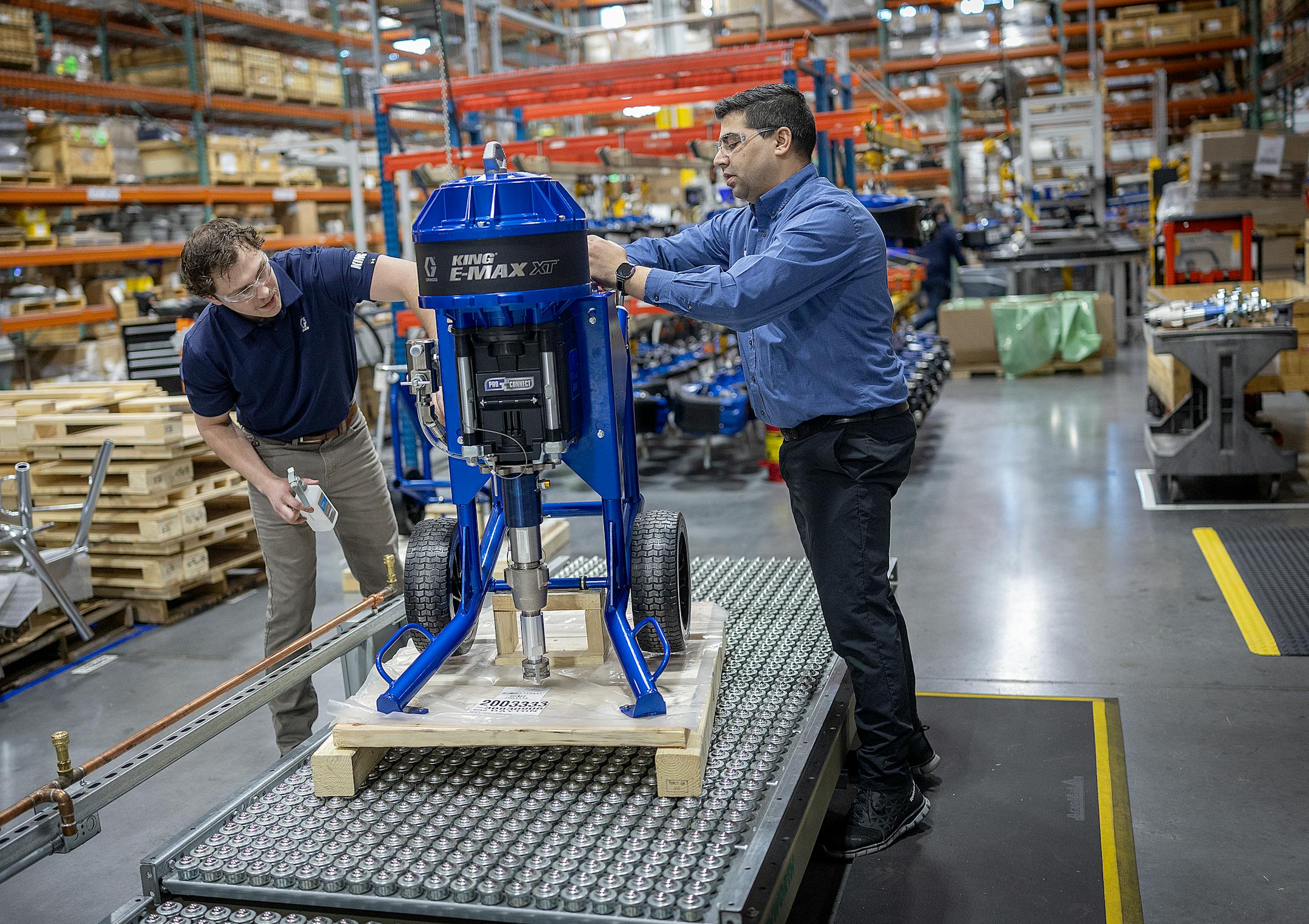
Minneapolis-based Graco's third-quarter profits were up 13%, but tariffs added $9 million to costs in the first nine months of the year. The company reorganized the way it sells its products the past few years to become more efficent. (Elizabeth Flores/The Minnesota Star Tribune)

Tariffs, health care increases and the state’s new family medical leave policy have Minnesota factory heads worried about next year.

This year, almost 60% surveyed by Enterprise Minnesota said the economy will be flat this year. Only 18% expected their 2025 results would be better than last year.

Those surveyed predict tougher conditions next year.

“I think severe heartburn has set in across the state,” said Bob Kill, CEO of Enterprise Minnesota, which released the results of its 17th annual State of Manufacturing survey on Wednesday afternoon.

The smaller the company, the more pessimistic, the nonprofit consultant found.

“The common denominator we’re seeing this year is a very negative view on the Minnesota business climate, brought on by tariffs, family leave regulations, payroll taxes and administrative burdens,” Kill said.

In other words, costs that companies can’t control are going up too fast. And they also are still facing labor shortages that are impeding growth.

Ryan Dahnert, CEO of furniture maker Plymold in Kenyon, about an hour south of Minneapolis, said he needs policy makers to focus on “critical areas of competitiveness” and ways to lower the cost of doing business in Minnesota.

Starting Jan. 1, employers will be charged a new payroll tax to cover a statewide family leave program.

The tax, Kill said, will hit small manufacturers harder.

Worries about paying for the family leave program outpaced deep concerns about Trump administration tariffs, and worker shortages this fall, Kill said.

Part of the change this fall is that tariffs had stopped changing so much, allowing companies to budget for them.

Paid leave is a looming new expense, and the state has few exceptions. More than 70% of the more than 400 companies that returned surveys said the new law will hurt business.

Tom Dippel of Cottage Grove, CEO and owner of Minnesota Dental Lab in Newport and a Republican state legislator, said he regularly hears other Minnesota business owners complain about high taxes.

“We need a strong economy in Minnesota, and if we don’t have [one] we won’t have jobs,” Dippel said.

Mandates like the family leave law, which add to costs, sour company leaders on Minnesota’s competitiveness.

The same underlying issues came out this week in separate reports from the Minnesota Chamber of Commerce and Creighton University.

Creighton’s nine-state Mid-America Business Conditions index report showed similar issues in the nine-state region that also includes Iowa and the Dakotas.

For the seventh straight month, the region’s manufacturers have shed jobs.

The companies also estimated that tariffs would increase costs about 8% this year.

For Minnesota factories, total sales, new orders, inventories, employment and delivery times all fell in October, said Ernie Goss, Creighton’s economic forecasting director.

“The regional manufacturing economy continues to move essentially sideways with elevated wholesale inflation,” Goss said. “Supply managers reported weakness in both imports and exports along with higher prices for imported goods.”

Enterprise Minnesota’s findings showed similar challenges in most of the seven regions of the state where factory heads were surveyed and interviewed in focus groups.

Producers here warned that escalating material costs and the difficulty of finding and keeping workers were among top obstacles hampering future growth. Others included wild-card tariffs, new government regulations, taxes and the rising cost of health care.

While large corporations like Target and Hormel have reported layoffs in recent weeks, finding workers remains a big challenge, especially in rural areas, said Danhert, who runs the furniture maker in Kenyon and employs 110 workers.

Nearly 7 in 10 larger manufacturers who took the Enterprise Minnesota survey said they are still hiring and, like in Kenyon, continue to struggle to find enough workers, especially in rural areas.

To deal with the shortages and jump-start growth, factory heads told Enterprise Minnesota they were investing more in AI and automation and other tools that could boost productivity.

about the writer

about the writer

Dee DePass

Reporter

Dee DePass is an award-winning business reporter covering Minnesota small businesses for the Minnesota Star Tribune. She previously covered commercial real estate, manufacturing, the economy, workplace issues and banking.

See Moreicon

More from Business

See More
card image
Renée Jones Schneider/The Minnesota Star Tribune, Leila Navidi/The Minnesota Star Tribune

The holidays aren’t the time to question Minnesotans’ generosity. Neither is an election year.

card image
card image
