

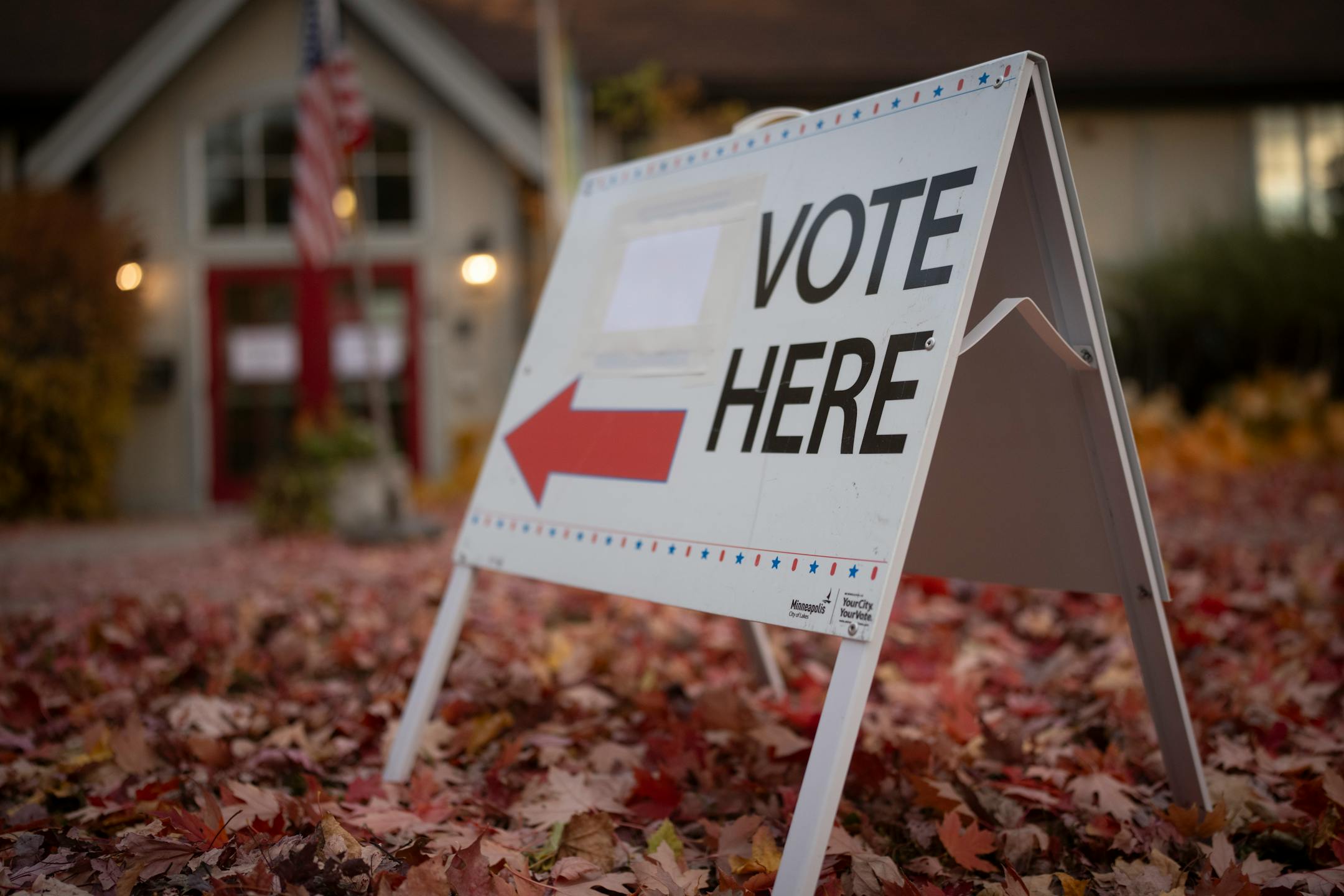
St. Paul voters knew that state Rep. Kaohly Her was their new mayor around midnight, just hours after the polls closed.
Minneapolis voters had to wait another 12 hours before the city announced Mayor Jacob Frey had won a third term midday Wednesday.
Both cities use ranked-choice voting, which lets voters rank their preferences and — unless one candidate wins a majority of first-choice votes — requires election administrators to reallocate votes from additional rounds.
That happened in both cities this week. So what accounts for the seemingly long wait for results in Minneapolis?
Turns out, even in elections under similar circumstances, there’s more than one way to count the ballots. Minneapolis wrote its ordinance in a way that requires human intervention. Ramsey County, meanwhile, had fast results for St. Paul thanks to technology.
The differences illustrate how the complex, carefully controlled processes elections officials use vary based on which city or county you’re in — even if the result is the same.
“Accuracy is the most important,” said Aaron Grossman, Minneapolis’ election administration manager. “However, we totally understand that members of the public, candidates especially, [and] others are really eager to get the results.”
St. Paul
Ramsey County switched to using electronic tabulation software this year, delivering a speedy result.


