Minneapolis organization takes Native-led approach to addiction recovery

Native Americans are seven times more likely to overdose than whites in Minnesota.

Venture Academy
July 31, 2025 at 11:00AM
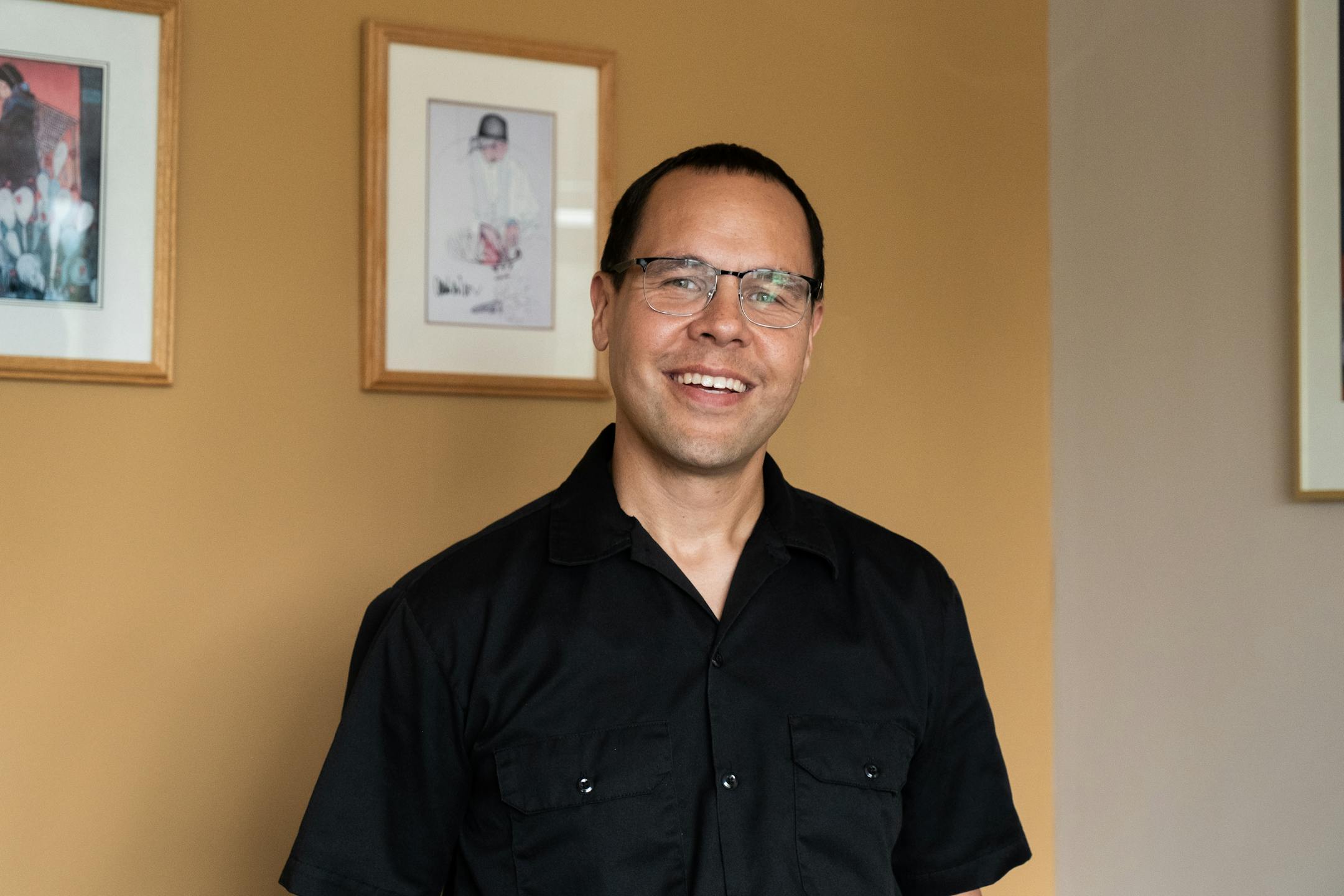
“This is the community that I’m raising my kids in and the community I want to see thrive and really do better,” said Nation Wright, chief operating officer for the American Indian Community Development Corp. in Minneapolis. (Yasmin Yassin/For the Minnesota Star Tribune)

“I’m a hope dealer, not a dope dealer.” That is Nation Wright’s motto today.

Growing up in the Minneapolis American Indian community, Wright saw first-hand how addiction affected his people. Now, as the chief operating officer for the American Indian Community Development Corp. (AICDC), Wright is concerned about the recent trends.

“Things have gotten dramatically worse,” he said. “The average age of addiction is getting younger and younger … It’s hard for me because ... these are babies, essentially, that are out here struggling.”

Native Americans are disproportionately impacted by addiction. According to the Minnesota Department of Health, they are seven times more likely to overdose than white Minnesotans.

“They feel like they’re stuck in this state of hopelessness,” said Wright.

He says community outreach is one way to combat that hopelessness and get people the resources they need. The AICDC, a housing organization, attempts to reach community members experiencing active addiction.

“You keep showing up, you keep showing them that you care, and what it does is it builds relationship[s] ... it builds trust,” he said.

Resistance is common, but that doesn’t stop Wright and his team from continuing to reach out to people with help. “I might have had 100 contacts with you before you say yes, but that’s the thing, though, it’s consistency,” he said.

The struggles in his community have to do with generational trauma.

Native Americans have been stripped from their culture, language, traditions. Their children were sent to boarding schools. They’ve suffered colonialism and colonization.

“That lasts and that’s generational,” said Wright.

Treating addiction in his community requires an understanding of what his people have been through.

“There is also a lot of judgment in this world and there’s a lot of hate and a lot of not taking the time to understand and to listen and to be fully educated about a situation, people, and about a community,” he said.

Wright said that many of the youth in the Little Earth community in south Minneapolis’ East Phillips neighborhood have never been outside of that bubble.

“That’s the only place they know. And if we start to see the world and what the world has to offer for us we can start to create some different pathways to success,” he said.

He aims to be a positive voice for his people, and to show love to those when needed. Most importantly, he seeks to hold his friends, brothers, sisters and family accountable.

But with limited resources in Native American communities, change can feel far off.

“How can we expect people to change?... Generation to generation of no change, no resources, no support within their immediate environments because everyone else is in the same struggle,” Wright said.

Mental health also plays a part in addiction that co-occurs. There can be a lack of how to address struggles.

For his people to move forward, Wright says it’s important to “raise the bar” and not to normalize addiction and struggle.

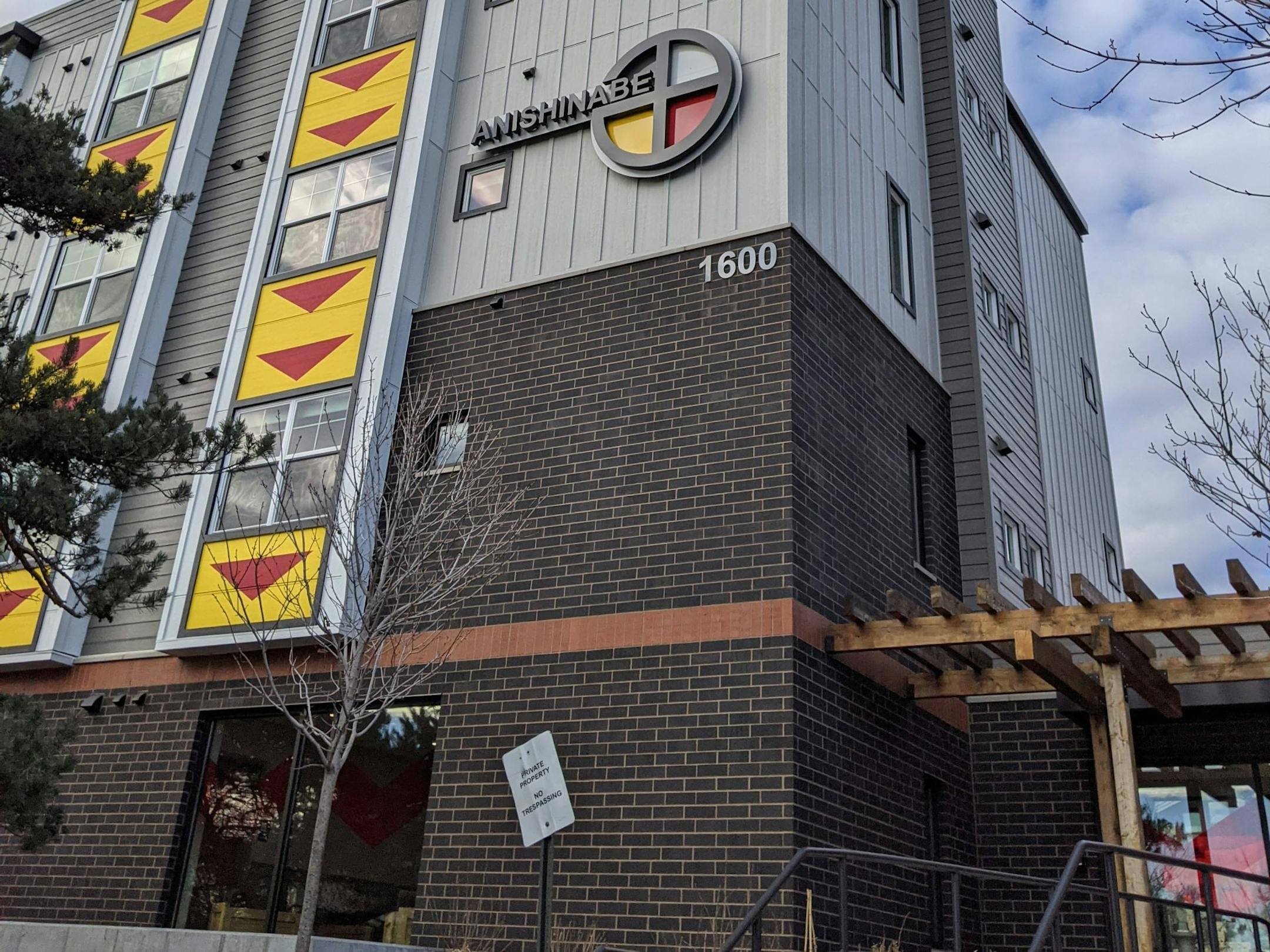
Anishinabe III is one of the American Indian Community Development Corp.'s supportive housing facilities. It provides housing for Indigenous people who are homeless and struggling with substance abuse. (DSGW Architecture /For the Minnesota Star Tribune)

The AICDC helps individuals move forward with culturally grounded care that brings together traditional and western treatment support.

They have several buildings with different support functions. Their housing facilities are almost always at capacity.

At their homeless shelter, individuals are able to receive a warm meal and take a shower. Participants are also able to connect with counseling, therapy or any of the other services the AICDC has to offer. There is a wet house where participants are allowed to drink on site.

“It’s a harm reduction model, they’re limited to what they can bring in … it’s a way to get people housed,” Wright said.

Work is important to Wright but working in a high-stress environment also takes a toll. He uses cultural practices like Native drumming as a way to cope and is working to prioritize his well-being so he can be more present for his two children and become a better person for his people.

“This is the community that I’m raising my kids in and the community I want to see thrive and really do better,” he said.

Additional reporting by Maria Hernandez-Silva (Venture Academy) and King Primus (Roseville High School).

This story was produced as part of ThreeSixty Journalism’s Multimedia Storytelling Institute for high school students in partnership with Blue Cross and Blue Shield of Minnesota, which financially sponsors the camp and supports story sourcing.

about the writer

about the writer

Margarita Rosales Alarcón

Venture Academy