Cultural norms and biology make young people susceptible to addiction

Inpatient facilities like the Hazelden Betty Ford Foundation are critical resources for youth in recovery.

Johnson Senior High School
July 31, 2025 at 11:00AM
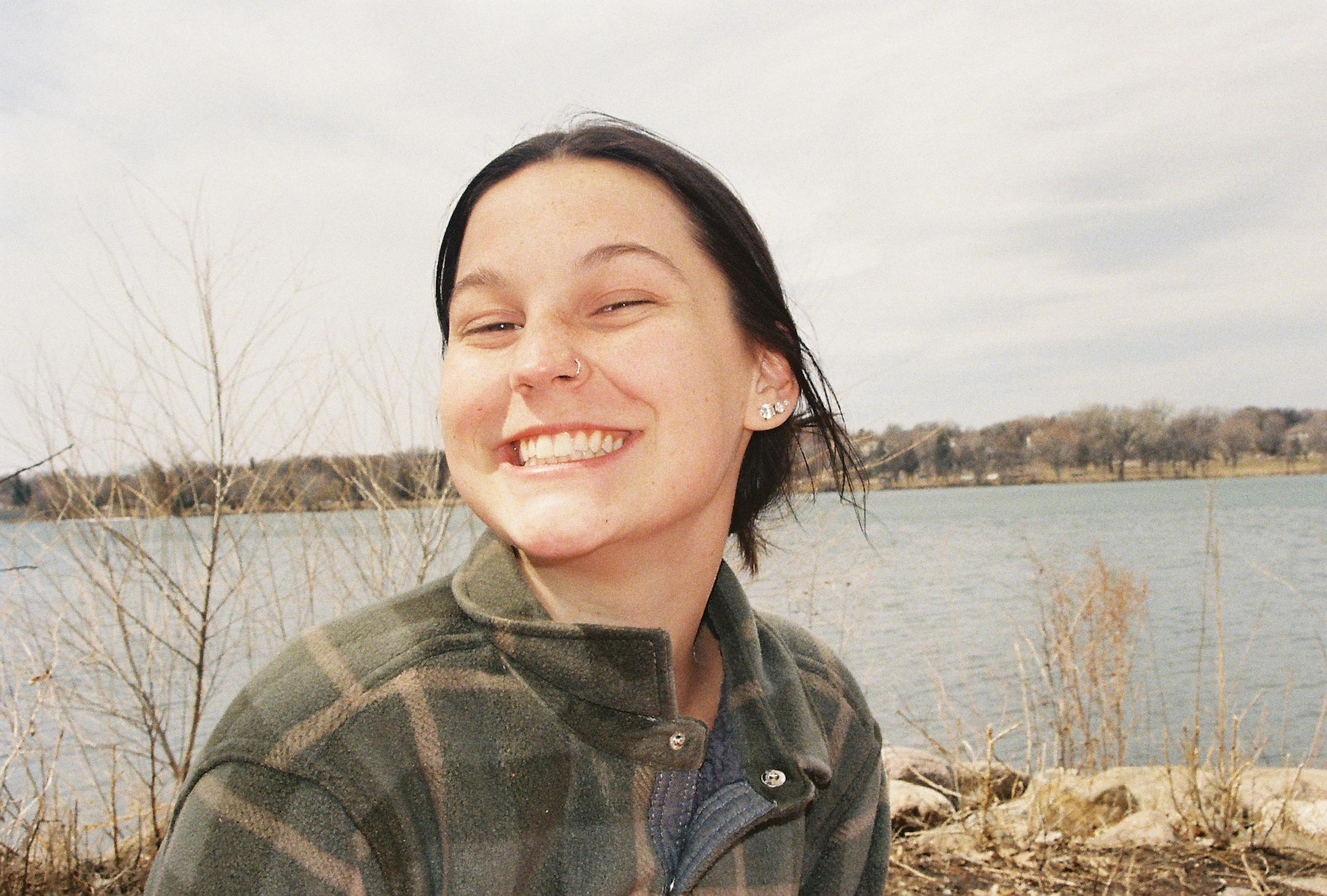
Lucy Getschow of Minneapolis, now two and a half years sober at 19, feels passionate about sharing her story of addiction and recovery. (Lucy Getschow/For the Minnesota Star Tribune)

Lucy Getschow knew if she didn’t get help soon, she would end up dead.

Drugs and alcohol had taken over her life. She had quit soccer. Stopped trying in school. She realized she was at her breaking point. Getschow felt terrified to vocalize her struggle, because there was no one there to push her forward. She had to face it all alone.

Now 19, Getschow grew up in south Minneapolis. She started using marijuana at 11 years old and then moved on to alcohol and opiates which quickly became an addiction. She felt isolated in her experiences. At the age of 16, she opened up to her sister about her struggles. Getschow was then enrolled into Hazelden Betty Ford Foundation’s inpatient program. It wasn’t until she met the other girls in the program that she found connection and community.

Many youth have experiences similar to Getschow’s.

More than 8% of Minnesota teens use drugs and nearly 11% drink alcohol, according to the National Center for Drug Abuse Statistics (NCDAS).

Ken Winters, a researcher of adolescent health and cannabis use at the University of Minnesota, says there are two main reasons youth are so susceptible to addiction.

Drugs are popular in our culture. Youth follow the norms that they see in their culture and the behavior of the adults around them.

Biology also plays a role in addiction. Young people are more vulnerable to the addictive effects of drugs than adults, and the way the brain is maturing and developing can contribute to it.

“Young people, even though it’s illegal and [they] may not have a lot of money to buy drugs, it’s easier to go down an addiction path than adults,” he said.

The NCDAS reports that over 3% of all 12- to 17-year-olds in Minnesota meet the criteria for illicit drug use disorder. Because of the amount of youth addiction, there is an overwhelming need for recovery facilities that offer treatment. Inpatient programs are an important part of recovery for many; they provide a place where those with a drug use disorder can stay and receive 24-hour treatment, often for a month.

“The inpatient or residential environment can really be quite important for a young person, because it helps structure the recovery process,” said Winters.

Health professionals like Winters say that there is a need for more inpatient facilities available to youth.

“On average, they say only 10%, maybe 15% of young people that need treatment services for a substance use problem receive it,” he said.

Hazelden Betty Ford Foundation helps fill that need in Minnesota. The organization works to supply more opportunities for recovery from substance use disorders and related mental health conditions. Their youth residential program serves people ages 12-25 at a Plymouth facility.

“Because there are national gaps,” said Emily Piper, chief legal and administrative officer at Hazelden Betty Ford, “people fly their kids in from all over the country to receive treatment and access to health care.”

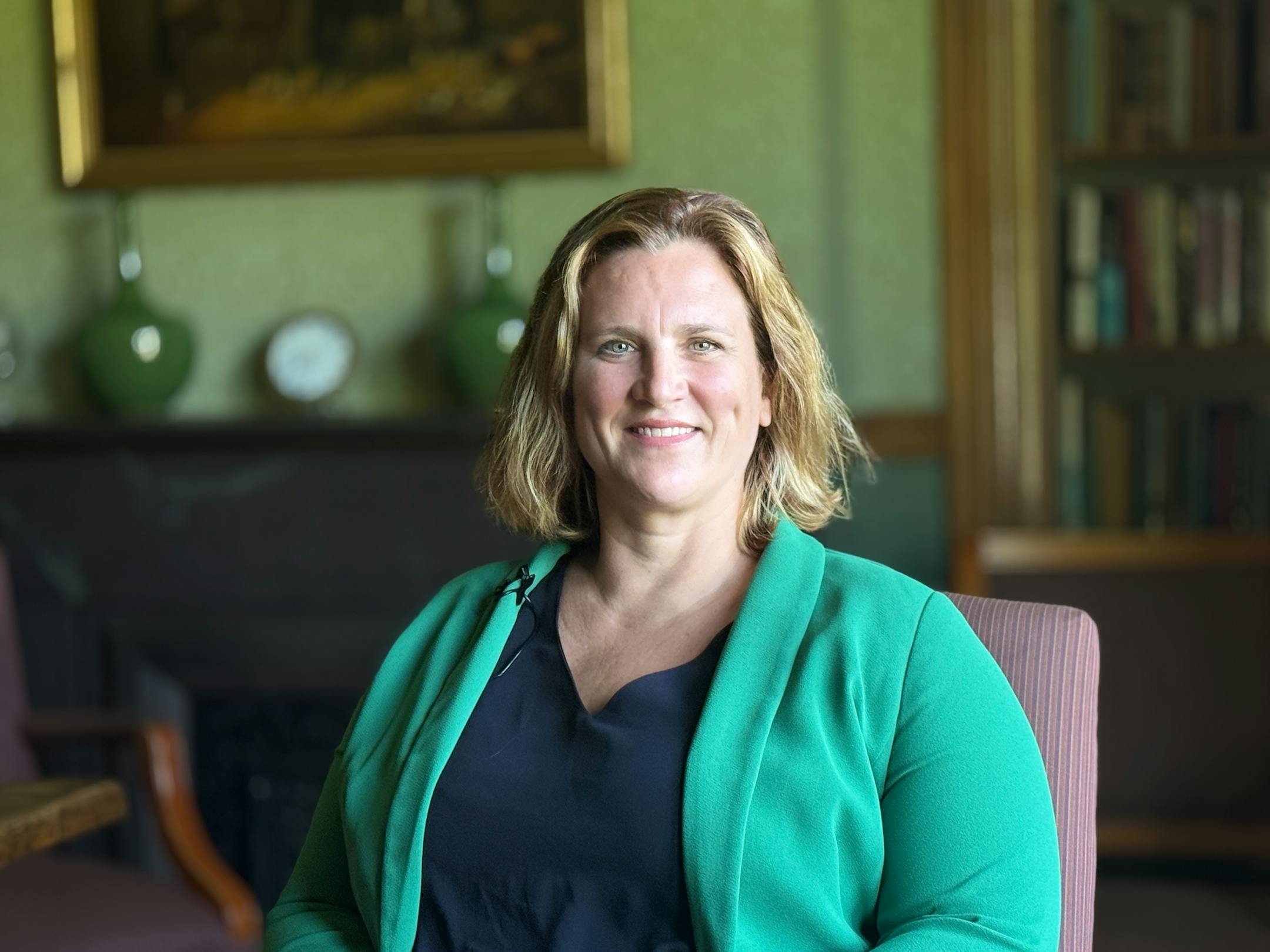
Emily Piper, chief legal and administrative officer, in the library at Hazelden Betty Ford in St. Paul. (Pechulano Ngwe Ali )

Getschow was one of the young people who received treatment through this program, and she says it is one of the reasons she is alive today.

“I definitely appreciated the program, but I was really angry at first, and I didn’t want to engage,” she said. “I wasn’t used to being held accountable and being told I was doing something wrong and that I needed to clean up my actions.”

There are many other things that contributed to Getschow’s recovery, including the sober high school she attended and her sister’s support. Today she is two and a half years sober.

Hazelden Betty Ford aims to become more accessible to those who cannot access treatment due to cost and coverage barriers through its advocacy work, Piper said. It also does education and prevention work in schools and communities in an effort to limit the number of youth who develop addiction.

Parents shape the attitudes and values of their children, Winters said. When parents and communities are educated on these topics they have the ability to support their youth when they are in need.

“[Parents and communities are] an important source of corralling … and bringing favor to pro-healthy and drug-free attitudes,” he said.

Youth access to drugs can also be limited by laws and compliance checks, like ensuring drug stores are following drug age regulations, Winter said.

Getschow has found a supportive community in her recovery. She is heading into her second year of college at St. Catherine University. She is studying to become a nurse, a profession she chose because of the experiences she has had throughout her recovery.

“I definitely have thought about [how] my life isn’t linear and my recovery isn’t linear, and that’s okay that I’m not like everyone else,” she said.

Additional reporting by Naomi Miller (Richfield High School) and Kamrin Scott (graduate of Two Rivers High School).

This story was produced as part of ThreeSixty Journalism’s Multimedia Storytelling Institute for high school students in partnership with Blue Cross and Blue Shield of Minnesota, which financially sponsors the camp and supports story sourcing.

about the writer

about the writer

Janya Dieringer

Johnson Senior High School