

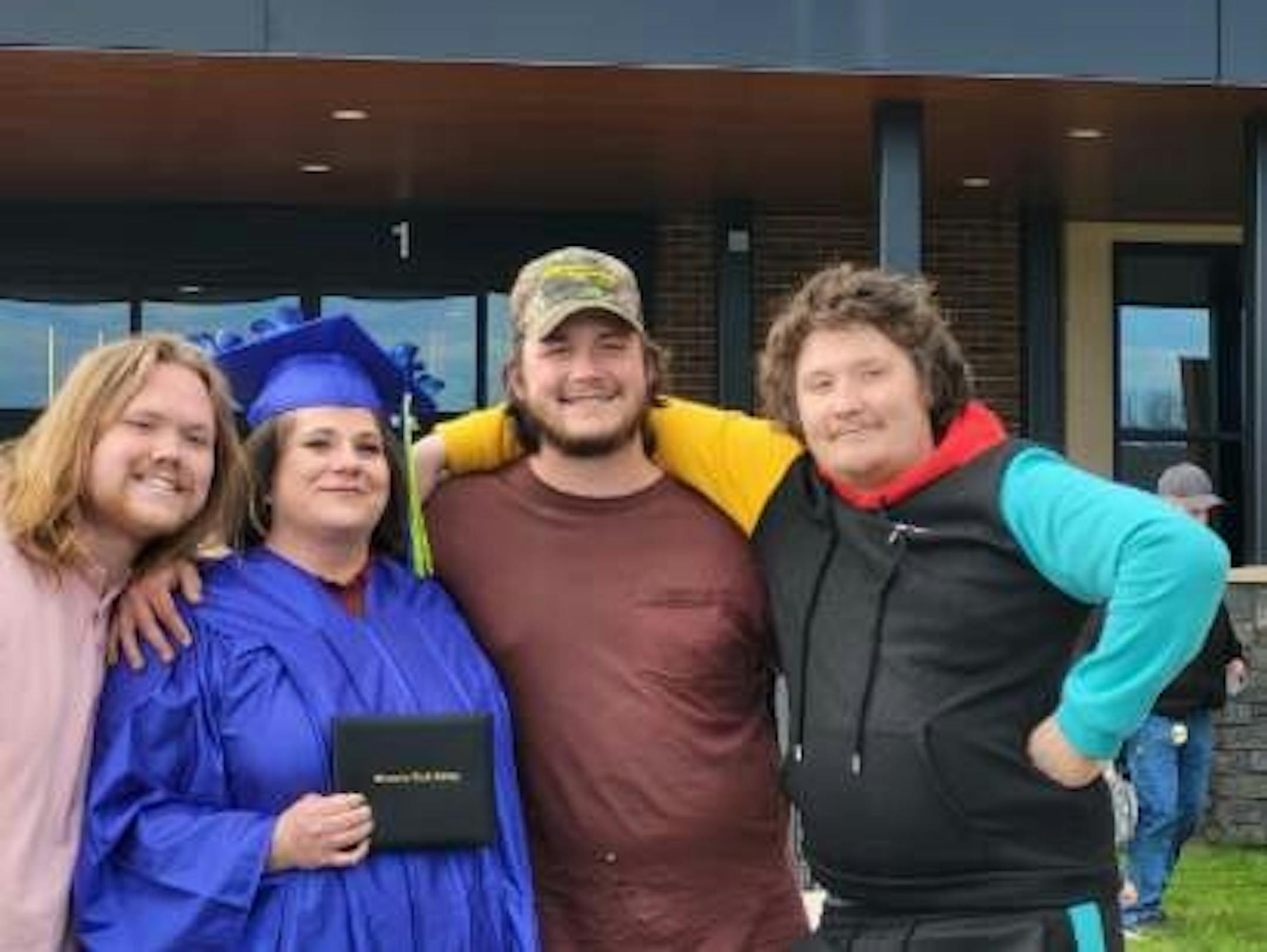
It wasn’t until Heather Lococo’s daughter was born with cocaine in her system that she knew she had to receive treatment. Losing her kids to foster care was the turning point for her. She spent 29 days in a treatment center and then started going to recovery meetings and spending time with people who didn’t use drugs or alcohol.
That was 2005.
“Everybody that knew me wanted me to get help,” said Lococo. She has had two relapses since then but is now 10 years sober. She has her temporary permit as an alcohol and drug counselor (ADC-T) and works as a program manager at Partners Behavioral Healthcare. She’s also studying social work at Bemidji State University.
“I know the struggle. So I want to see people succeed in life,” she said.
Lococo and Melissa Mikkonen, a program manager at Blue Cross and Blue Shield of Minnesota, share a commitment to equitable access in addiction recovery care.
Both say that many people working in the recovery community are in their own long-term recovery. “I think that that’s really powerful when you can be professional and also share your recovery story ... because then people who are on their journey can see, hey, that’s attainable for me,” said Mikkonen.
Mikkonen says “an epidemic of loneliness” is contributing to addiction in society. “I think that we’re all together all the time, but we’re all still really feeling quite alone.”
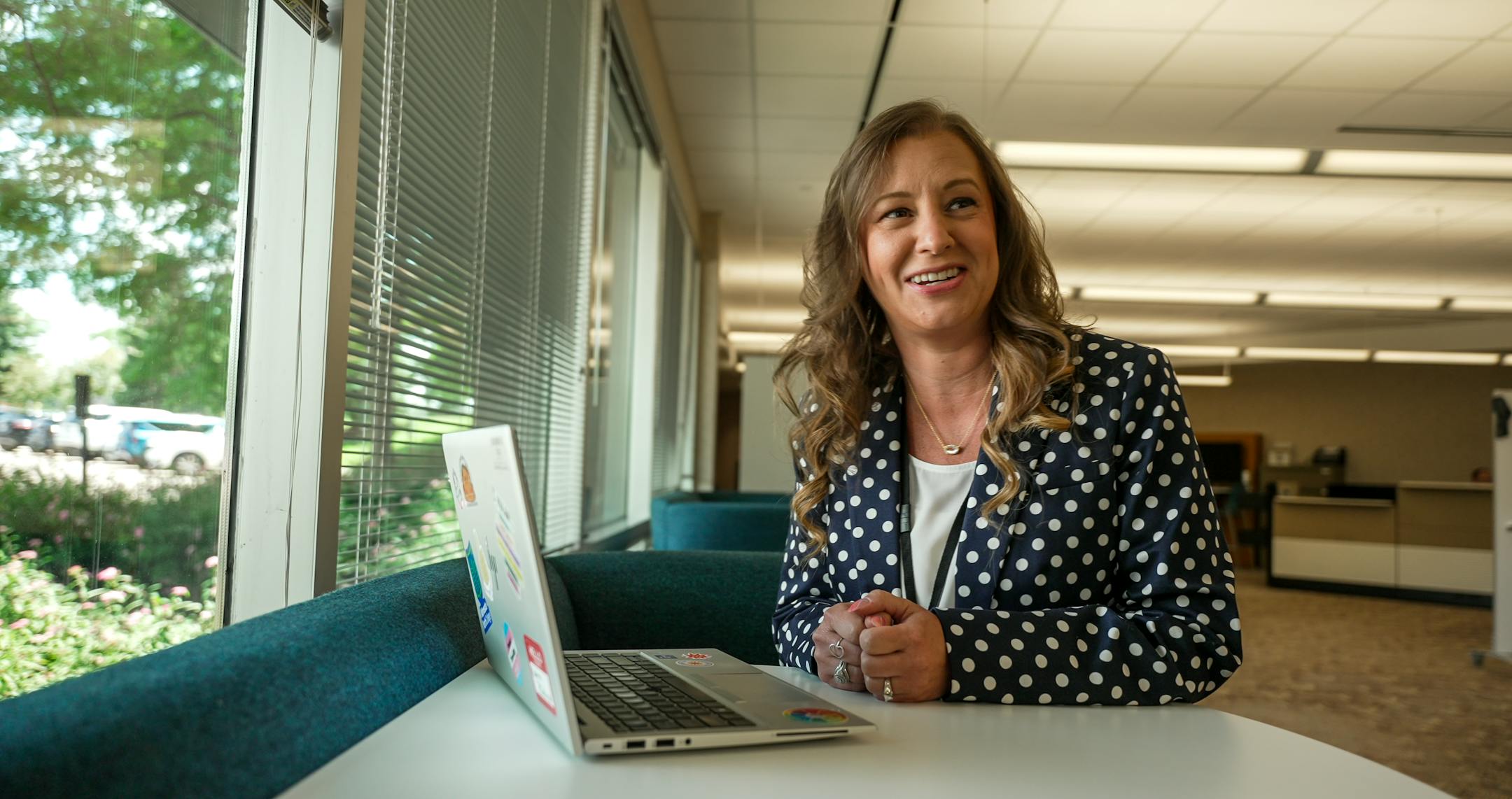
She sees building community as the key to recovery. Mikkonen goes out into the community a lot, and she thinks it is very important to build programs that are reflective of the people she serves. She loves to travel to all the different parts of Minnesota and says that “different parts of the state have different needs.”


