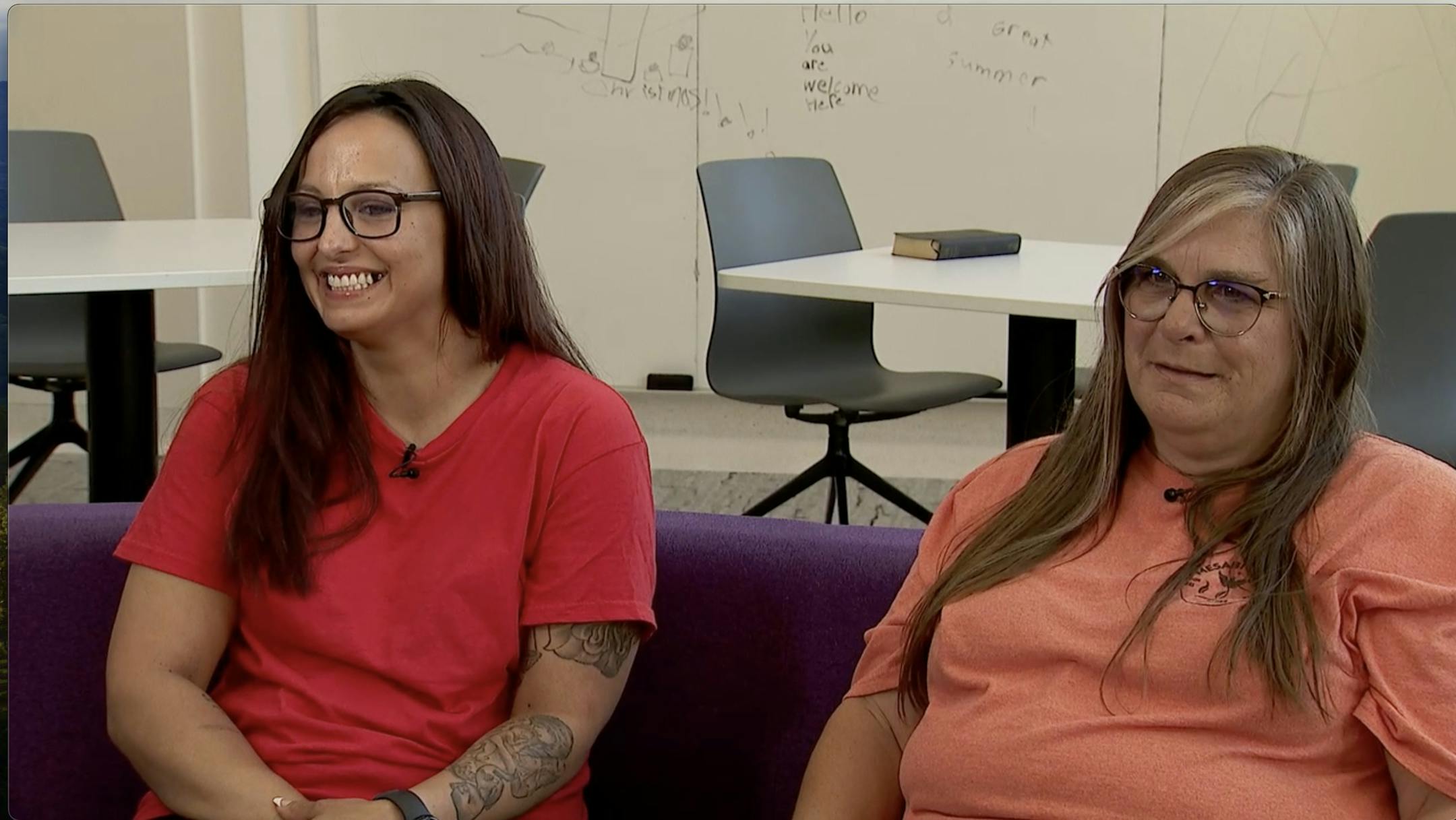
Mary Kay Riendeau began to use marijuana, alcohol and cigarettes at 12 years old after surviving several instances of sexual violence. Resources were not abundant in the 1970s, and Riendeau’s trauma response dangerously spiraled into substance abuse that lasted 23 years.
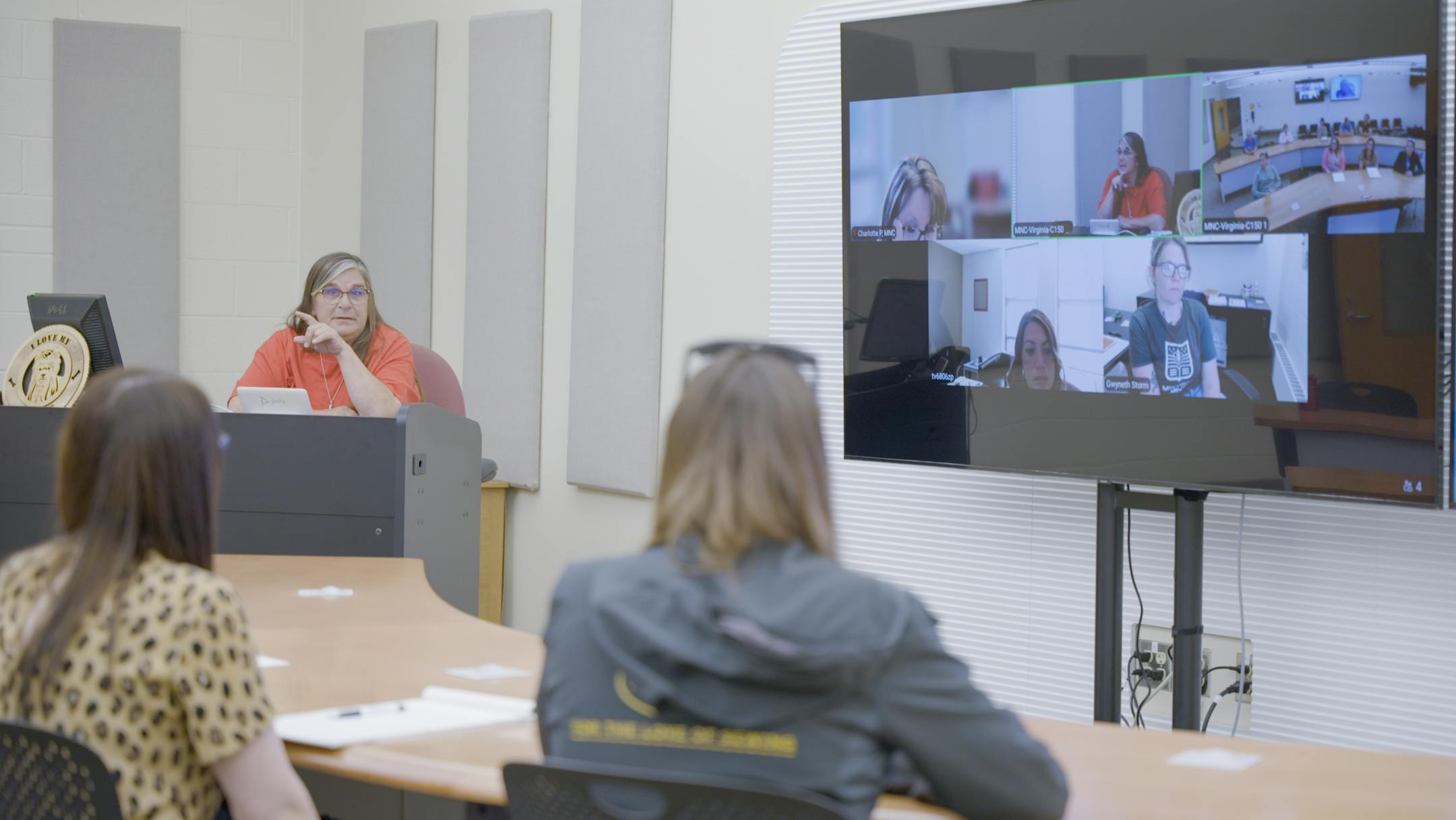
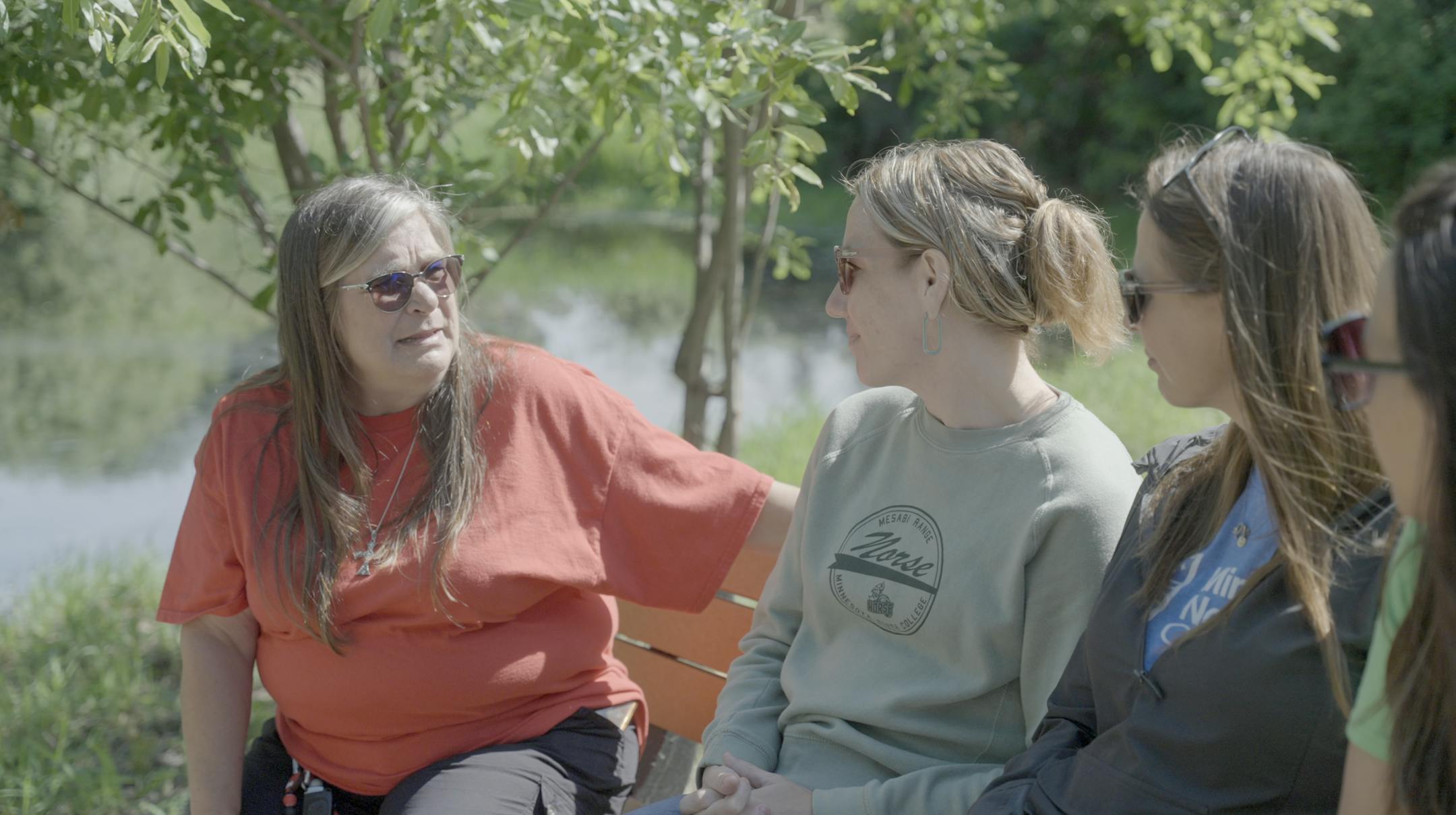
Since she set out on the path to recovery in 1999, Riendeau has refused to let the pain of her past define her future. Today, as the department head of addiction studies at Minnesota North College, Mesabi Range, she is helping widen access to addiction counseling services in rural areas across the state.
“You know why people use?” said Riendeau, “The pain of life.”
She says expanding access to addiction counseling will help people get the support they need.
According to a 2024 Minnesota Department of Health report, residents of rural areas seeking mental health and chemical dependency treatment typically travel over three times longer to access care compared to urban patients. The same report shows that of the 4,156 alcohol and drug counselors across the state, only 4% work in isolated rural areas. Only 6% work in small towns. Such disparities contribute to health inequity.
Faced with declining health and a looming prison sentence, Riendeau made the tough decision to stop using and turn her life around 26 years ago. She wanted to show up better as a mother, but also as the person she knew she was under the shadow of her addiction. So, she enrolled in college.
“I’m 61 years old,” she explained. “Am I going to let sexual violence ruin the rest of my life? There had to be a time in there where I made a decision.”
Minnesota North College, Mesabi Range is home to an expansive licensed alcohol and drug counselor (LADC) program, which was established in the 1990s. The program aims to effectively train students to enter the addiction recovery field throughout the state and to remove the barriers that prevent many from completing their education. Rural areas such as the Mesabi Range have always faced great challenges with distance, affordability and accessibility to addiction counseling.