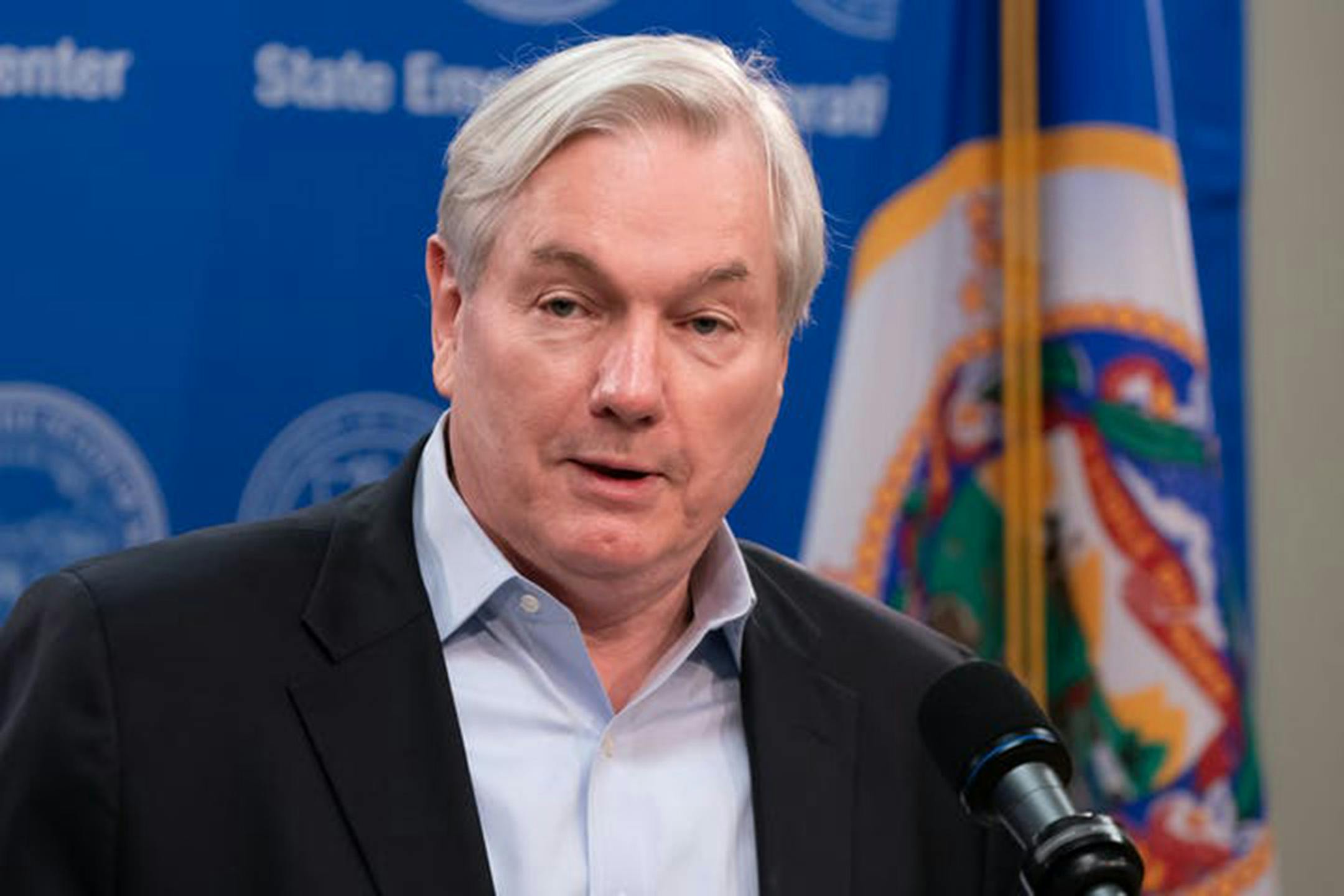
Any time Michael Osterholm needs inspiration to continue fighting for public health, he glances at a gift on his desk, a Christmas present from his two adult children.
“It’s an electronic picture frame and they keep putting in pictures of my five grandkids,” said Osterholm, an internationally renowned epidemiologist who leads the “Osterholm Update” podcast and founded the Center for Infectious Disease Research and Policy at the University of Minnesota. “I sit at my desk and watch all these pictures go across the screen and I don’t need any more reason to do what I do than to say, ‘What kind of world are we leaving for those kids?’”
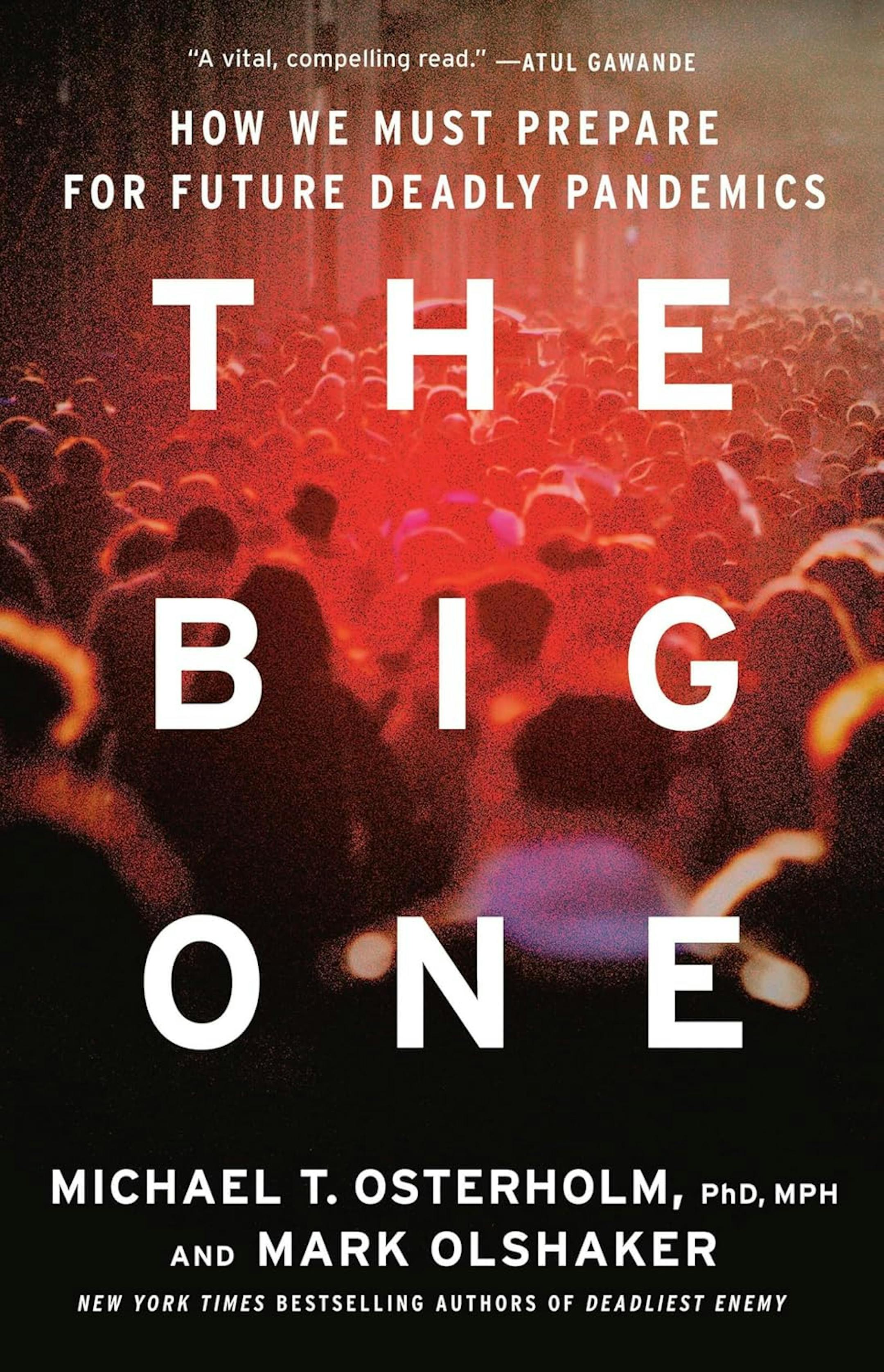
That’s the message of “The Big One,” written by Osterholm and frequent collaborator Mark Olshaker. Publishing today, the work of nonfiction incorporates COVID, influenza and other public health nightmares to look at future pandemics. Each chapter briefly describes a fictional, but fact-based, health crisis and what a real-life response would look like.
It’s a difficult book but, says Osterholm — who warned that COVID-19 was a pandemic months before others acknowledged it — it’s never been more urgent.:
Q: Given COVID fatigue, “The Big One” could be a tricky sell. Why this book now?
A: We are going to have more pandemics in the future and, as the book’s title suggests, they could be a lot worse than the one we just had. One of the motivations of writing this book was to provide a story of what happened, what could have happened or didn’t happen and say what were the successes. We never did that.
Q: Meaning that we, as a society, never took stock of our pandemic response? Is that unusual?
A: One of the most amazing things with the post-9/11 commission was that it was bipartisan. No finger-pointing. Identified lots of mistakes and challenges that could have been or should have been addressed before 9/11 ever happened. We learned a lot from that and a lot of that was incorporated into our everyday lives.