
Medcalf: Museum exhibit about enslaved woman’s freedom fight inspires

Eliza Winston is one of the Minnesota heroines history often hides.

Columnist Icon
The Minnesota Star Tribune
October 25, 2025 at 1:00PM
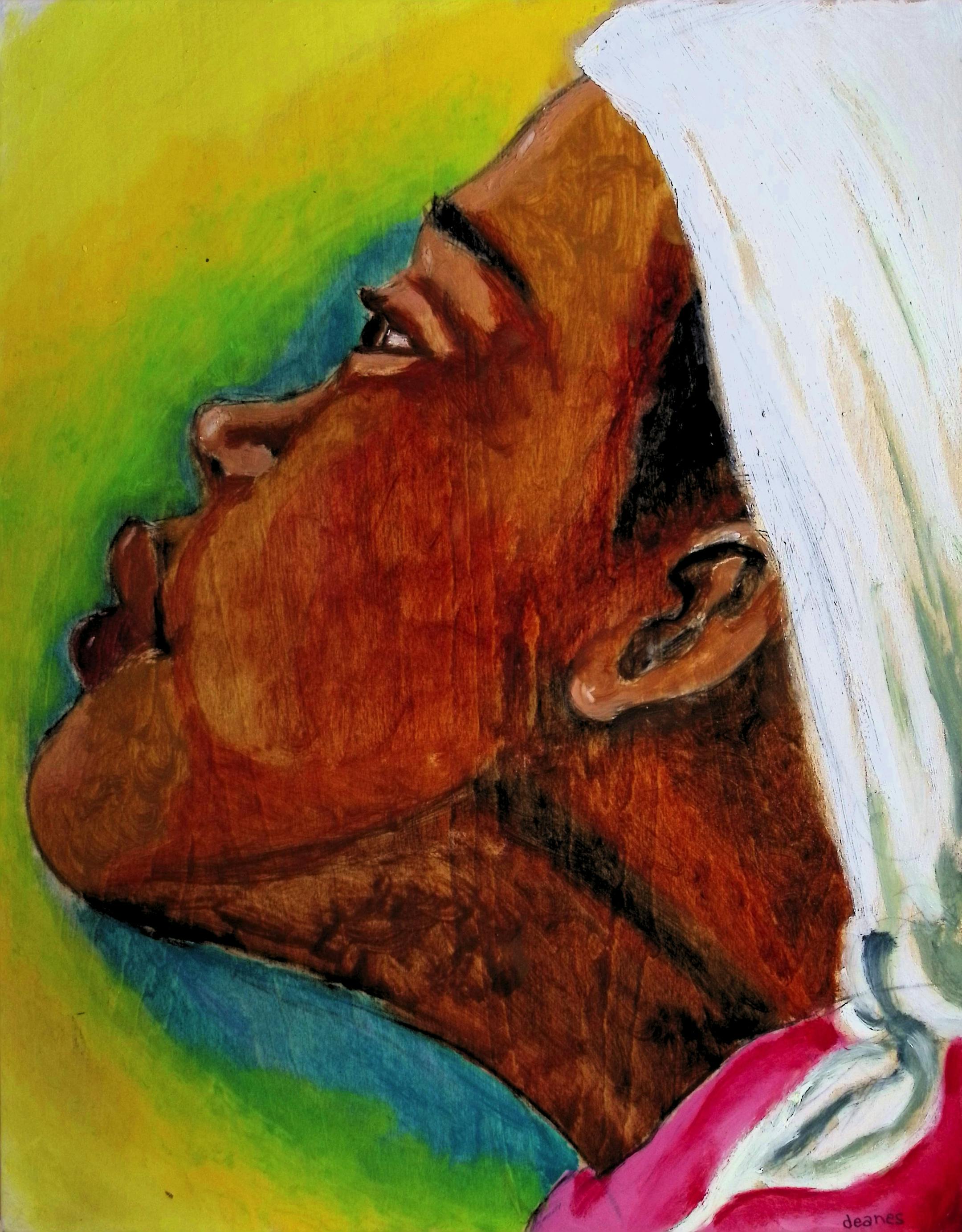
A painting of Eliza Winston, "Freedom" by Christopheraaron Deanes, will be featured in the exhibit about Winston's extraordinary life story at Hennepin History Museum. (Provided)

For Alyssa Thiede, the curator at Hennepin History Museum, her connection to a new exhibit about an enslaved woman freed through a controversial trial in 1860 is professional but also personal.

“I think most historians that are familiar with the story would admit that they don’t know anything about Eliza Winston,” Thiede said about the exhibit, “Winston: A Woman’s Fight for Freedom in Minnesota.” “And what they knew about the story was mainly about the white male abolitionists that helped her to become free, so obviously a big part, one of our biggest goals, was to re-center Eliza Winston in her own narrative.”

Winston is one of the heroines history often hides.

She was freed from slavery on a trip to Minnesota with her enslavers. With the help of Emily Goodridge Grey, a noteworthy abolitionist who made Winston’s freedom her cause, she was set free by a Minnesota judge, despite local backlash. The case was built on the idea that Minnesota’s anti-slavery laws trumped federal laws like the Dred Scott ruling in the U.S. Supreme Court that continued to back forced labor in the United States.

The exhibit, which was co-curated by author Chris Lehman, aims to highlight Winston’s quest and the stories of people like Grey, whose home was damaged by a mob after the ruling. The exhibit contains artifacts and even commissioned artwork — there are no known photographs of Winston — that honor Winston’s journey to freedom. The exhibit “reveals a remarkable journey of bravery and determination, and sheds light on Minnesota’s complex relationship with slavery,” the museum writes.

And that’s my interest here.

I’ve found that Minnesotans often do not know enough about the atrocities that have unfolded right in their own backyards. The lynchings in Duluth and Mankato. The destruction of the Rondo neighborhood in St. Paul. Redlining and segregated schools. And, of course, this state’s ties to slavery. Slave owners — and their billfolds — were given the Minnesota Nice treatment more than 150 years ago.

“Wealthy slaveholders enjoyed their vacations away from home without losing the comfort of service from the people they owned; because northern merchants depended on enslavers’ spending, the southerners faced no legal consequences for violating the antislavery laws,” Lehman, a St. Cloud State professor, wrote in his book “It Took Courage: Eliza Winston’s Quest for Freedom.” “The U.S. Supreme Court’s decision in Dred Scott v. Sandford legalized this activity in all U.S. territories, including Minnesota Territory, in March 1857. Fourteen months later, when the new state of Minnesota adopted a constitution that prohibited slavery, its residents continued to welcome enslavers and their captives.”

Those fancy spots around Minnesota with great views and access to some of America’s most beautiful lakes and vacation destinations? Some of them were propped up by Southern slave owners who would bring their slaves on summer trips, despite the state’s laws against slavery. Those slave owners also purchased land, and the folks they paid on those treks bought land around this state with the proceeds, too.

The truth is that there are Minnesotans who benefited from slavery, perhaps without even knowing it. Slavery didn’t just happen somewhere else. Its sins bled into the cities and towns of this state, too.

The stories about Winston have often focused on those who fought for her. But she first fought for herself.

Winston ”became legally free the moment she disembarked from the steamboat onto Minnesota soil, and she had initiated her own quest for liberation via her conversations with Grey. She was still denied freedom,” Lehman wrote. “The experience taught her that adherence to others’ rules did not guarantee that she would receive the rights or protections promised to her.”

The exhibit also showcases the battle that Winston’s supporters, including judicial advocates, orchestrated to secure her freedom.

“I love the fact that it flips states’ rights on its head from what people these days think of as states’ rights,” said John Crippen, the museum’s executive director. “This was post-Dred Scott. This was during the Fugitive Slave Act, and a district court judge in Minnesota said, ‘Our fresh constitution says you cannot bring your slaves in here and keep your ownership.’ So they were defying federal law, which I think is grabbing a lot of people’s attention and causing it to resonate right now.”

I can’t imagine the experiences of a Black woman in Minnesota in the 1860s. I wonder how she felt with a mob threatening her as she fled her enslavers to declare her freedom. She could not have been certain that she would survive the ordeal. Yet she also found the right champions right here in Minnesota.

At the time, Winston, like most slaves, did not even have a name.

In a legal hearing in Minnesota, however, she announced a new name, one separate from the name of those who’d once owned her.

“My name is Eliza Winston,” she said.

Winston, in that moment, demanded acknowledgment of her humanity.

At that moment, she was finally free.

about the writer

about the writer

Myron Medcalf

Columnist

Myron Medcalf is a local columnist for the Minnesota Star Tribune and recipient of the 2022 Society of Professional Journalists Sigma Delta Chi Award for general column writing.

See Moreicon

More from Culture

See More
card image
Provided by 30,000 Feet|Quashingm Smith-Pugh

The new building offering free arts and tech programs for kids is a shining example of how key partners support a dream.

card image
card image