Twin Cities’ ‘Mandarin Man’ brings this lesser-known citrus to Minnesota

The father-son business sells hard-to-find Kishu fruit direct to consumers from the family’s Chino Hills, Calif., farm.

The Minnesota Star Tribune
January 30, 2026 at 12:01PM
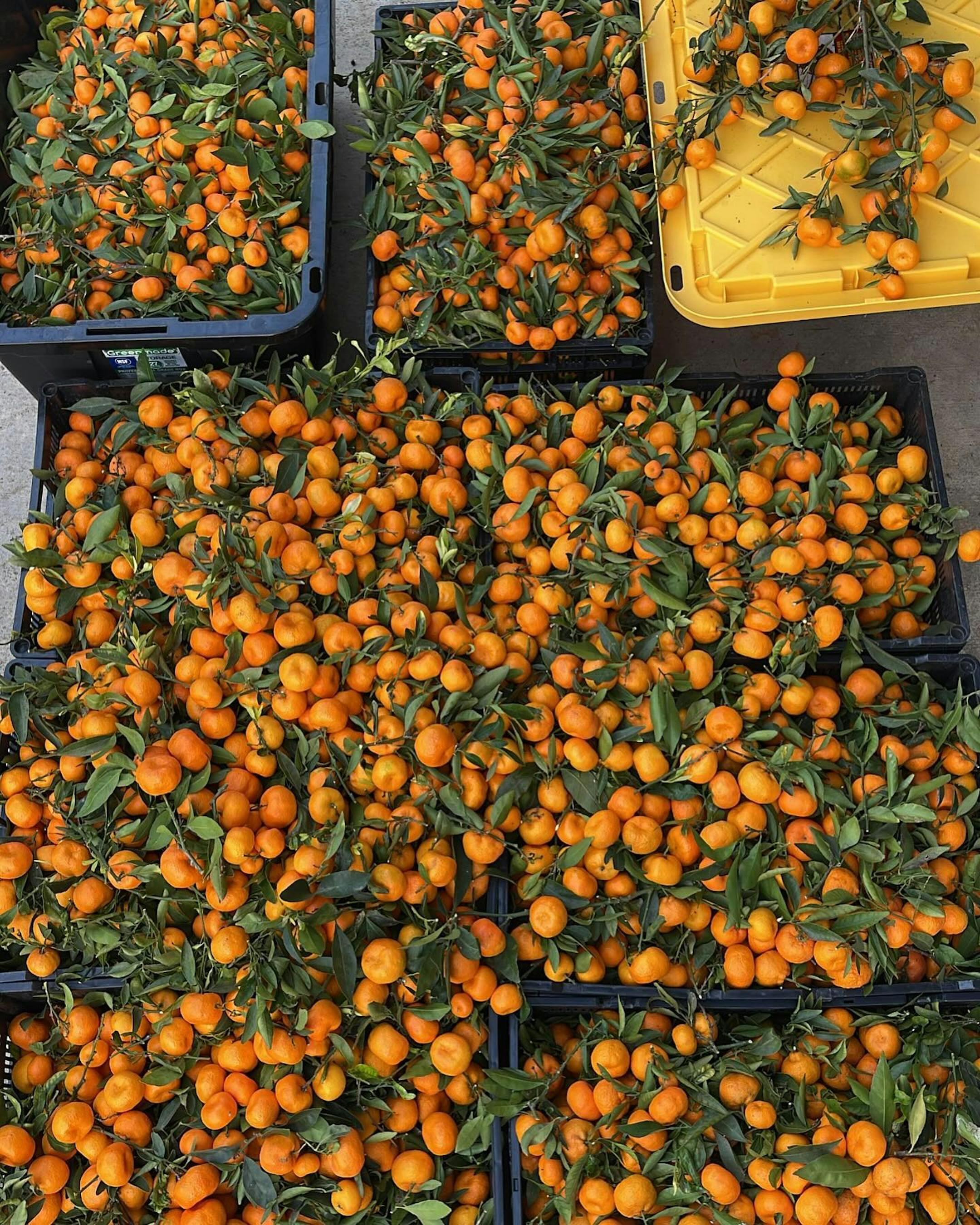
Twin Cities resident Phil Xiao runs the Mandarin Man with his father, Bruce. They tend a Kishu mandarin farm in Chino Hills, Calif., and ship the citrus fruit directly to customers every winter harvest. (the_mandarinman Instagram)

In the darkest days of Minnesota winter, when Phil Xiao was most homesick, a box from his father would arrive at the Carleton College mailroom.

Xiao would bundle up and head outside to retrieve it, bringing Kishu mandarins back to his Northfield dorm to share. The sweet, fragrant and neon-orange citrus tasted like the Southern California orchard where saplings he’d helped plant as a boy now bore small, precious fruit, ripe just eight weeks a year and so delicate they had to be clipped from the branch one by one.

A decade later, Xiao, 32, is still in Minnesota, and his parents are still in California, but the Kishus have spread. Each winter, Xiao and his 69-year-old father, Bruce, harvest 15,000 pounds of fruit from 200 trees and ship them directly to customers across the U.S. They named their business the “Mandarin Man.”

The goal, Xiao said, is to extend the short, sweet joy of eating a Kishu as far and long as a two-man operation can. These days, sharing that joy feels urgent, especially in the state where he’s made his home.

“When I give you a mandarin, especially in the middle of the winter, you open it, and you smell it, and you feel it, peel it open — it’s super easy to peel — and you eat one; it’s delightful,” he said. “It’s just a happy experience, and to be able to share that with other people, that has always been the north star.”

Xiao, who said he chose Minnesota for college because it was far from home, ended up staying to continue building the tech startup he founded as an economics major. The community supported him as he became an adult, he said, and it’s where he feels most inspired.

During Kishu season between January and February, Xiao flies back and forth between the Twin Cities and California every other weekend, helping harvest the fruit Saturday and Sunday to ship Monday. Unlike oranges available in a typical grocery store, the Xiaos pluck their Kishus at peak ripeness, so they arrive on customers’ doorsteps full of flavor and bursting with juice.
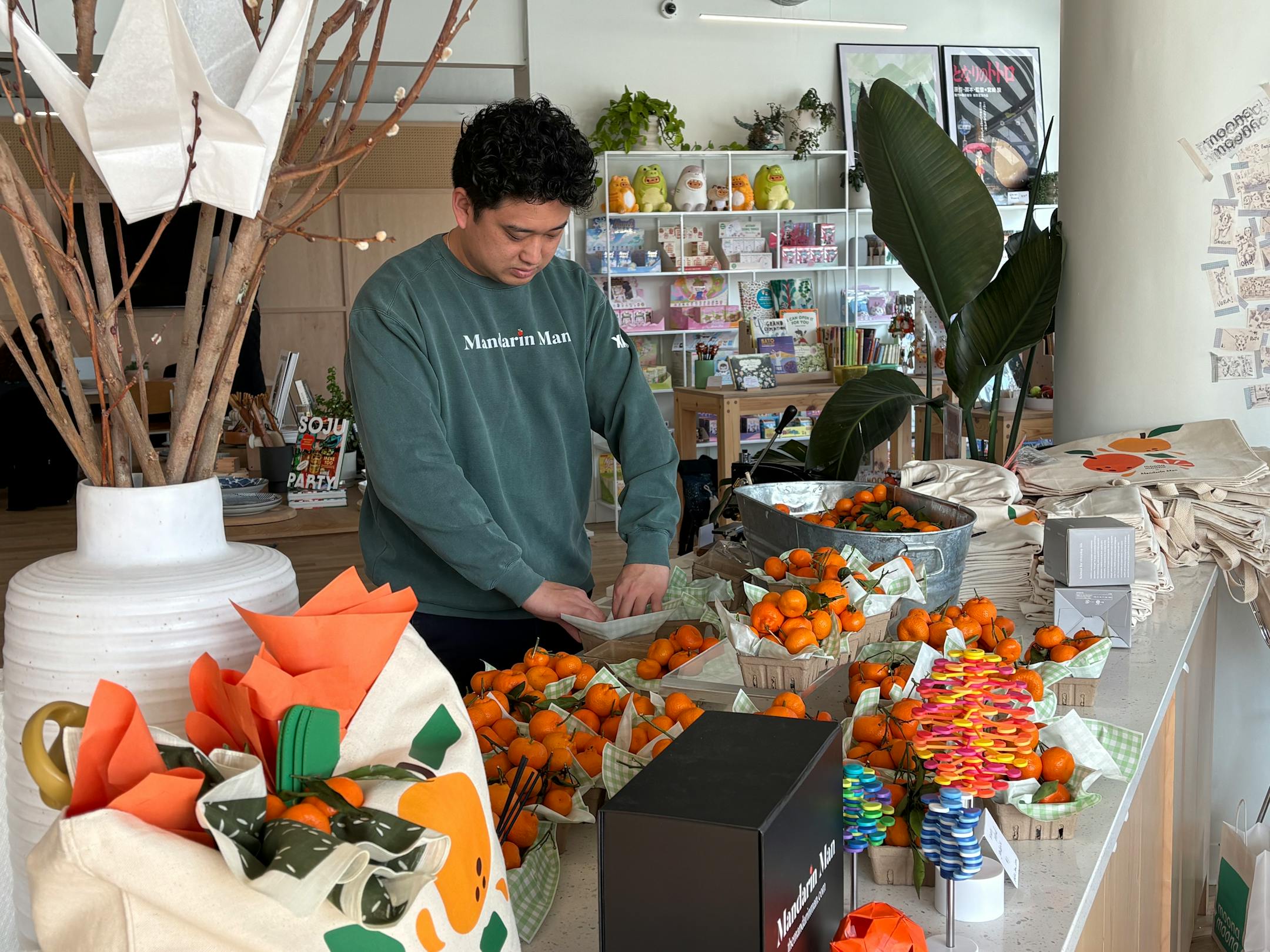
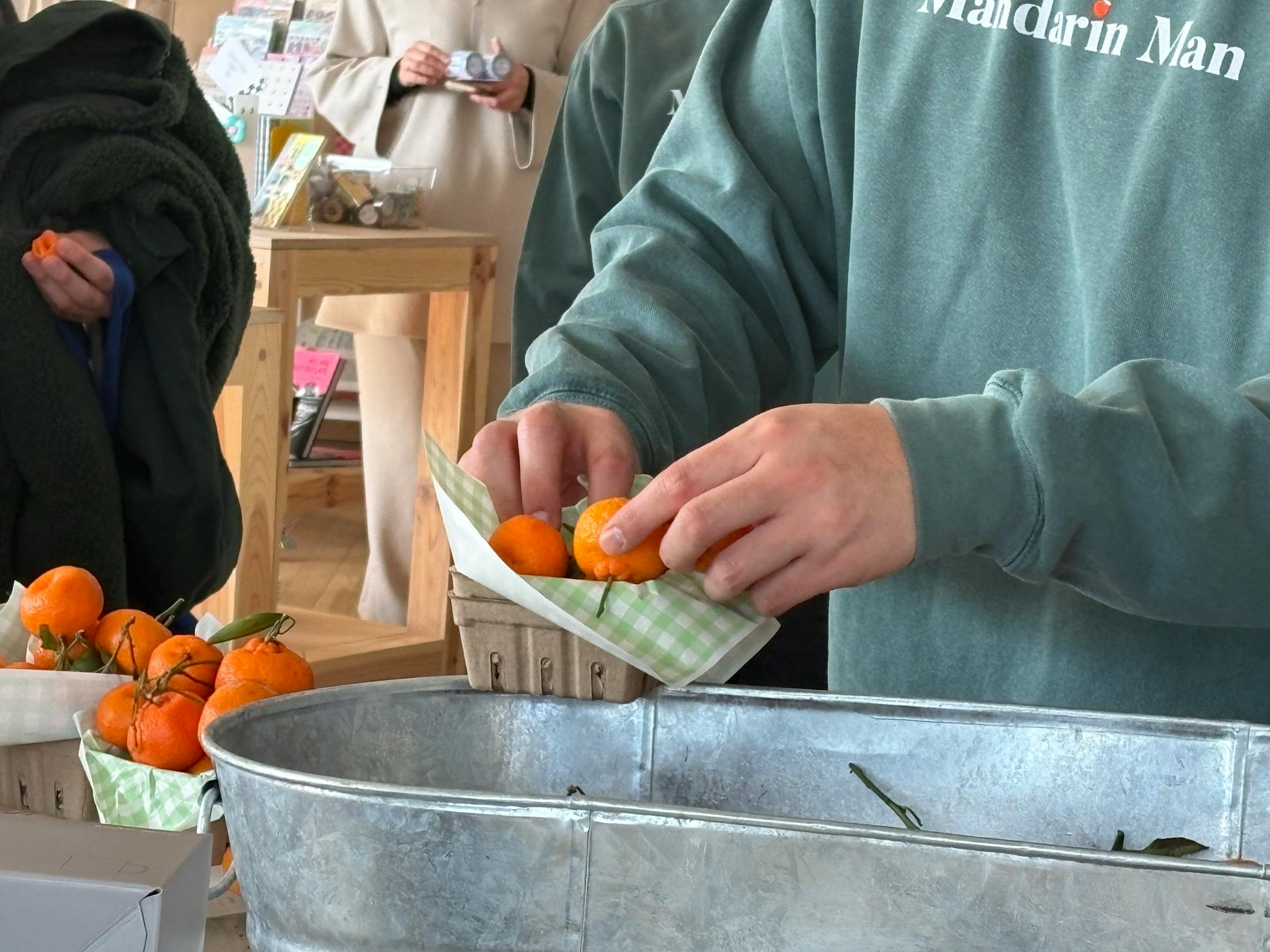
Phil Xiao displays Kishu mandarins at Moona Moono in Minneapolis on Sunday, Jan. 25. (Emma Nelson/The Minnesota Star Tribune)

“What Phil and his dad do is so special, because they really micromanage when they pick them,” said Nicole Rucker, who gives away some of the Kishus she buys each year at her Los Angeles bakery, Fat & Flour. “They pick them at exactly the right time so it has enough time to have the sugars fully develop — but not a minute too soon.”

Asian American dream

The Mandarin Man was born, in a way, of strife.

As a teenager during China’s Cultural Revolution, Bruce Xiao was one of millions of urban young people sent to work in the countryside under Chairman Mao Zedong. He found he enjoyed growing fruit, and later, when he immigrated to the U.S., his dream was to own land where he could grow food.

“It was kind of like his American dream,” Phil Xiao said. “And so he’s living that dream now, and he’s doing it on his own terms.”

After studying economics and working at a bank, Bruce Xiao became a professor and is still a part-time personal finance lecturer at California State University, Fullerton.

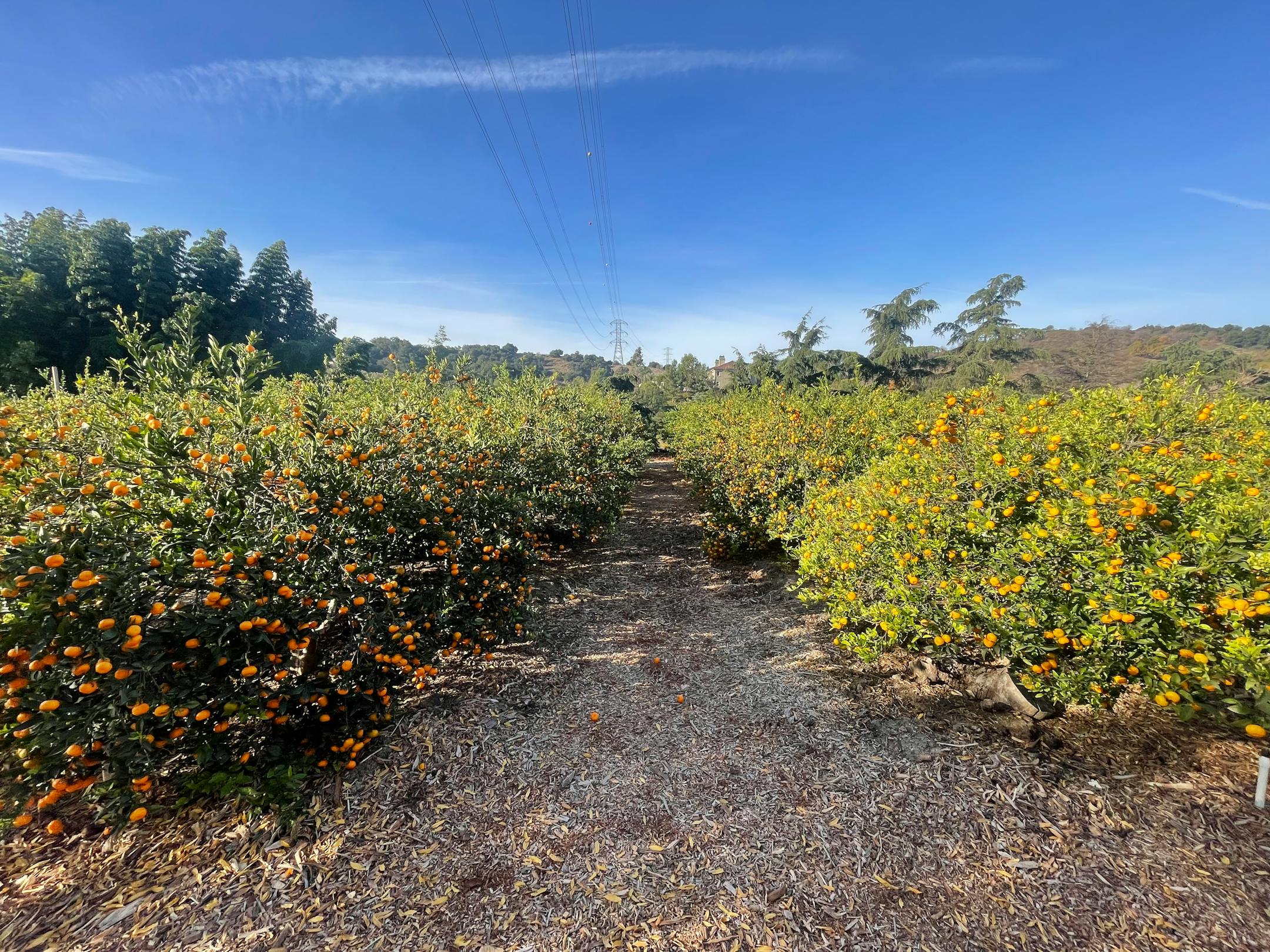
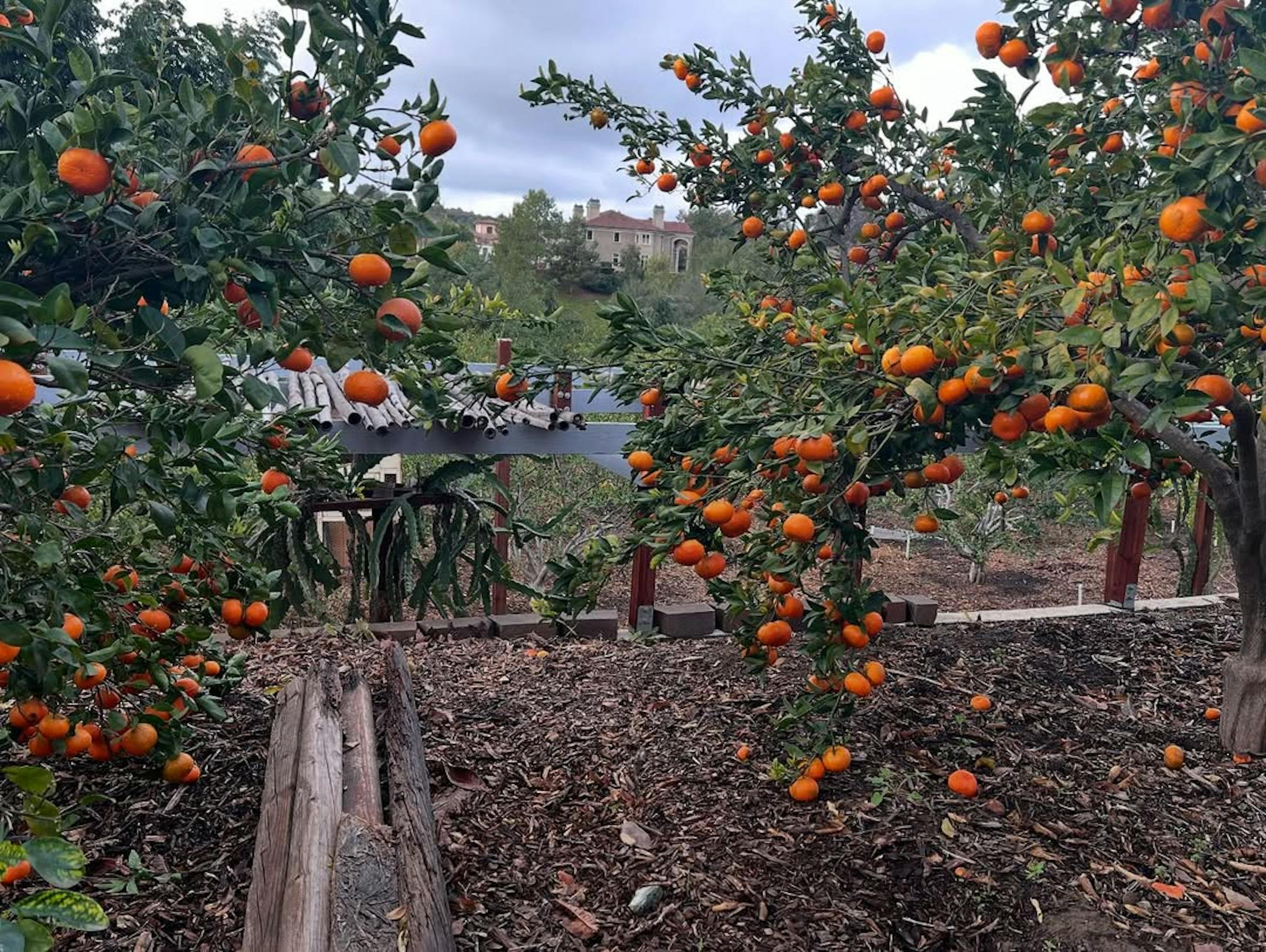
The Kishu grove started as 80 saplings on the family’s property in Chino Hills, Calif. Kishus originated in China and eventually found their way throughout Asia, including Japan, which coined the name. They’ve become a symbol of good luck, and are particularly prevalent during Lunar New Year.

Twenty years after that initial planting, when Phil Xiao moved home during the COVID-19 pandemic, he sat down with his father to talk about what the business could be. At the time, Bruce Xiao was selling the Kishus at a small scale for just 89 cents a pound.

“It was really a labor of love. But more importantly, no one knew that he was the one growing these mandarins — the time, the sacrifice and everything he put into it,” Phil Xiao said. “And that just rubbed me the wrong way.”

The Mandarin Man's Kishu grove in Chino Hills, Calif. (Provided)

Xiao launched the Mandarin Man brand in 2021, building a website and marketing the Kishus online and in-person. He started driving hundreds of pounds of fruit into Los Angeles for chefs to sample.

“There were a number of chefs who really loved the fruit and supported us, and that was kind of when things started to change,” he said.

In early 2022, the Los Angeles Times covered the Mandarin Man’s Lunar New Year collaboration with a West Hollywood ice cream shop. On the opposite side of the country, Jess Caven saw the story, tracked down the website and placed a Kishu order.

“I was like, ‘These are unbelievable’ and have not looked back,” Caven said. “And then [I] order a few boxes every winter and eat way too many of them too quickly because they’re so good.”

Caven, co-founder of Boston-based Generation CPG, has worked with consumer packaged goods brands for about 20 years. After reaching out to the Mandarin Man to share her appreciation, she’s become a mentor as Xiao continues growing the business.

There are a lot of barriers to expanding production of the fruit itself, which is thin-skinned and vulnerable to Southern California’s increasingly erratic weather. The family’s property is near capacity, though the Xiaos expect 80 new trees to boost production to about 20,000 pounds of Kishus in five years.

“The question is, how do you scale delight?” Xiao said. “In many ways, it’s building a relationship with each person who eats the fruit.”

Xiao is also experimenting with other ways to share Kishus, like in a versatile syrup that debuted in Moona Moono drinks this past weekend. The collaboration with the Asian boutique and café in Minneapolis’ Uptown neighborhood was part of a two-day Kishu festival full of themed merchandise and 400 pounds of fruit for tasting and buying.

Twin Cities resident Phil Xiao runs the Mandarin Man with his father, Bruce. They tend a Kishu mandarin farm in Chino Hills, Calif., and ship the citrus fruit directly to customers every winter harvest. (the_mandarinman Instagram)

Moona Moono owner Angie Lee said she has no doubt Kishus “could be the next big thing.” But what makes them so sought-after, she said, is they simply can’t become much bigger.

“What I think is kind of magical about a family-owned grove of this size is, there is a natural constraint, right?” Lee said. “There is an upper bound as to how much you can harvest, which makes the fruit even more special and unique.”

‘Moments of joy’

Lee said when it comes to Kishus’ deliciousness: “If you know, you know.”

And she wanted the Twin Cities to know there was a local mandarin connection even in a snowy, cold and dark January.

Xiao and Lee set the the Kishu festival’s late-January dates in December, Lee said, but as the weekend approached, there was some back-and-forth about whether to go forward as planned.

Minnesota was a raw nerve amid an influx of federal immigration agents, including one who shot and killed Renee Good in Minneapolis a little more than two weeks earlier. The festival had just started Saturday when news broke of the shooting and killing of Alex Pretti less than 2 miles from Moona Moono.

Moona Moono was one of hundreds of Minnesota businesses that closed Jan. 23, the day before the festival, in protest of Operation Metro Surge. Many opted to shutter again after Pretti’s death.

“When all of this stuff started to unfold, we started to ask ourselves, ‘Wait, is this the right tone? Should we be still be doing this? Does it feel too light?’” Lee said. “But really, what we kept hearing is, no, people want moments of joy.”

At the festival, the Mandarin Man had a table set up front and center with hundreds of Kishus, their orange skin and green leaves mirrored throughout the store.

Phil Xiao displays Kishu mandarins at Moona Moono in Minneapolis on Sunday, Jan. 25. (Emma Nelson/The Minnesota Star Tribune)

Along one window, strips of green-and-orange paper formed a chain, each link bearing a handwritten wish. Emily Birkeland of New Hope and Hannah Remer of Minneapolis, both 32, said they contributed wishes for peace and safety for their community.

Sitting at a cafe table littered with Kishus, surrounded by a crowd of people sipping specialty drinks, browsing products, knitting or chatting “just makes you feel a little bit more connected to the community, like things aren’t as bad as it seems sometimes,” Birkeland said.

Sunday afternoon ended up being the busiest stretch of the weekend, Xiao said.

“It was kind of a testament to these Kishu bringing people together in a meaningful way.”

about the writer

about the writer

Emma Nelson

Reporter

Emma Nelson covers the economy for the Minnesota Star Tribune.

See Moreicon

More from Small Business

See More
card image
the_mandarinman Instagram

The father-son business sells hard-to-find Kishu fruit direct to consumers from the family’s Chino Hills, Calif., farm.

card image
card image