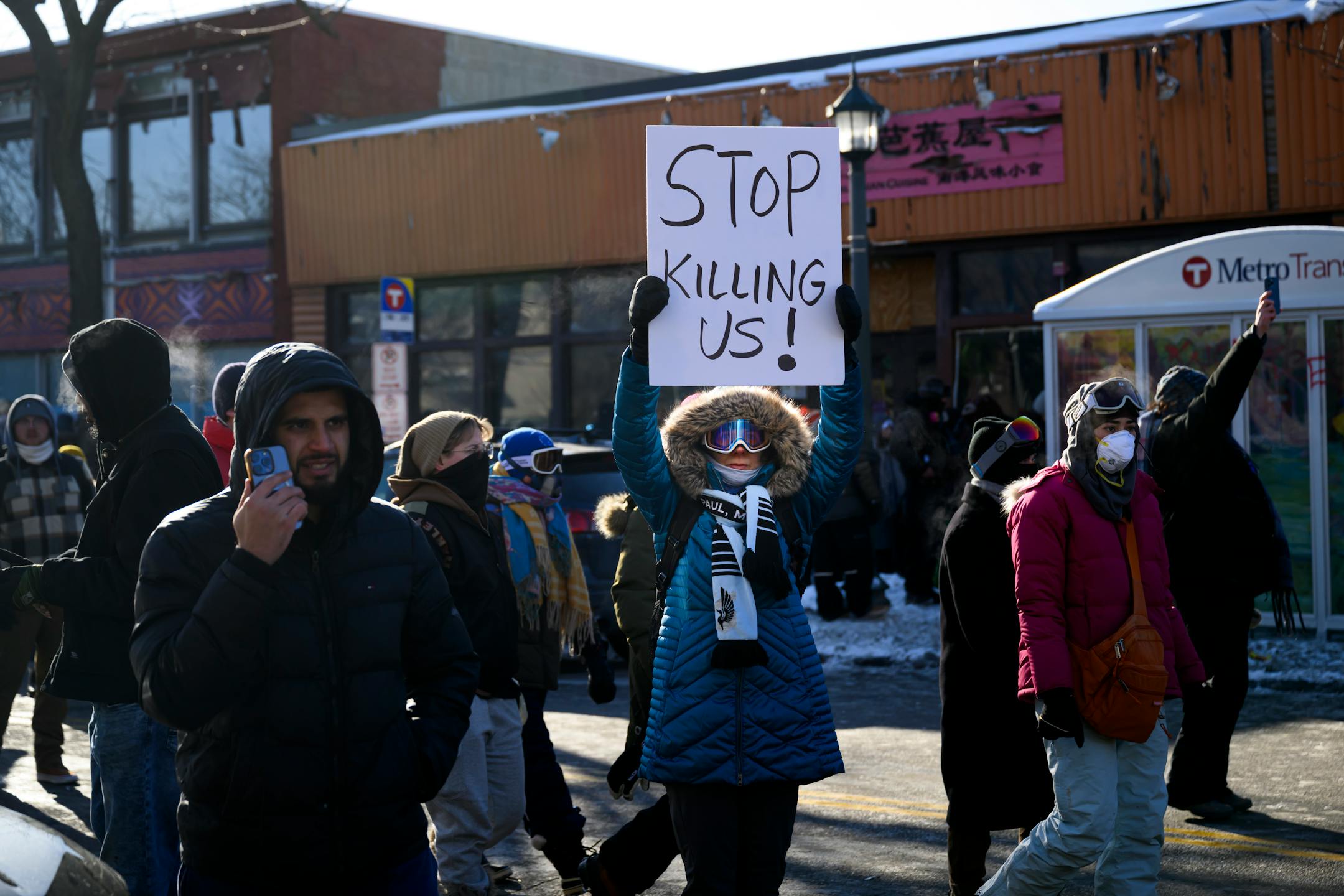
Thousands of protesters marched through the streets of Minneapolis on Jan. 23, in a peaceful, often buoyant show of resistance against the federal surge in immigration enforcement across the state.
Less than a day later, a violent confrontation sent the city reeling once again: Federal agents tackled and then shot and killed Alex Pretti, a 37-year-old ICU nurse from Minneapolis who had been filming them.
The Department of Homeland Security said Pretti had a gun and that the agent fired in self-defense. Details of that account aren’t supported by videos taken by others at the scene.
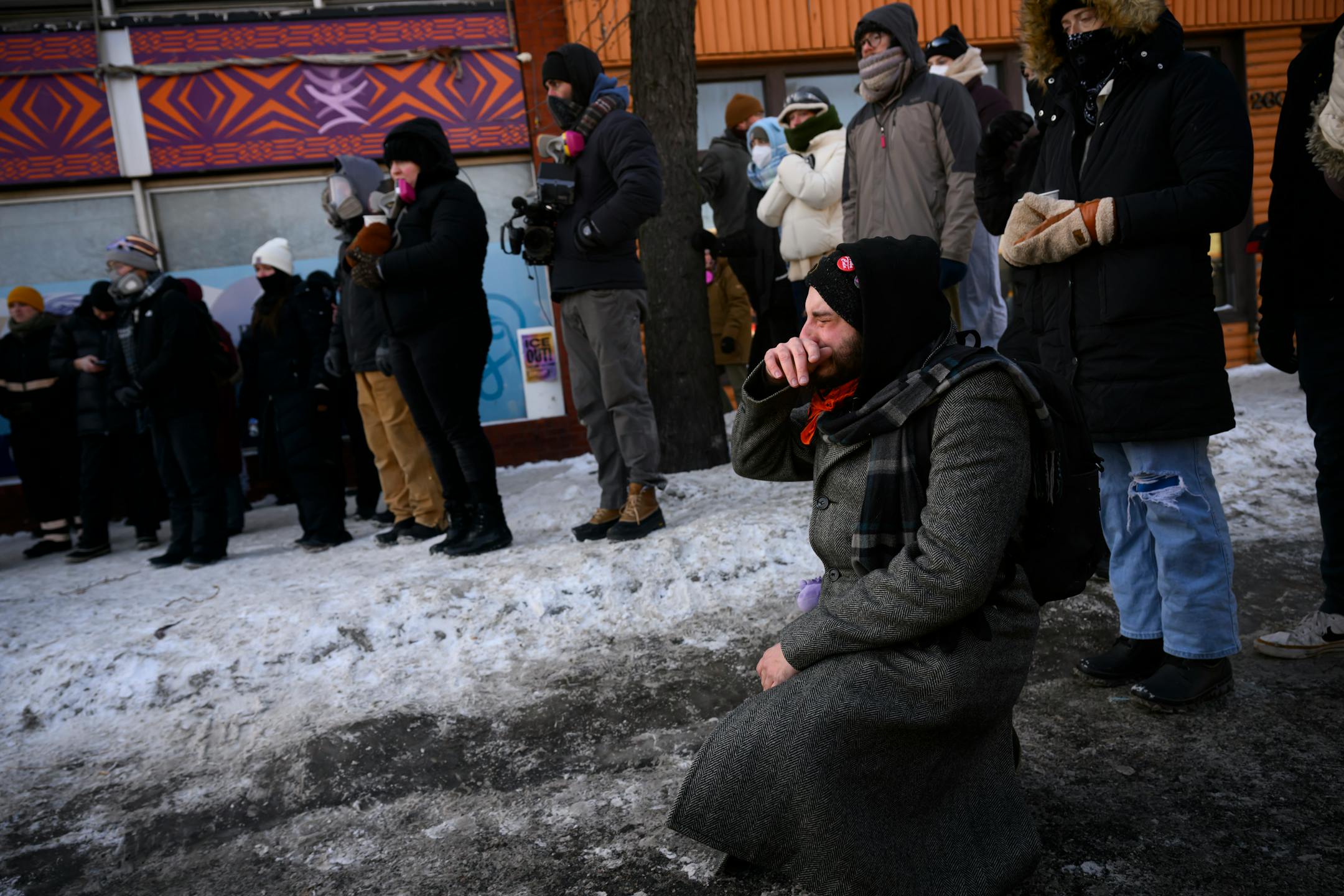
In the weeks since the Jan. 7 fatal shooting of Renee Good, Minneapolis has become a city on edge. Then, after the second fatal shooting by a federal agent in less than three weeks, the city’s anxiety, rage and deep sadness all seemed to spill forth. The incident upended any sense that the tensions building since federal agents arrived in Minnesota would lessen any time soon, leaving people wondering what’s next.
Fears about safety and concern for neighbors spread quickly, as businesses closed and events were canceled.
The location of the shooting, on Nicollet Avenue in the Whittier neighborhood, made it especially hard. The avenue is known as Eat Street, an immigrant-heavy urban corridor of global eateries and bars. The community around it is tight-knit.
“It’s not even about trying to protect certain people or anyone specific. It’s just the safety of all of us,” said Erica Christ, owner of the Black Forest Inn near the scene of the shooting. Her family opened the German restaurant in 1965.
“Immigrants saved Nicollet Avenue,” she said.