
The last bite: U.K. bans ‘less healthy’ food ads. Could MAHA do the same in U.S.?

Also, Jennie-O tops the list of bird flu indemnity payments, and there’s a local tie-in for this year’s McDonald’s Monopoly game.

The Minnesota Star Tribune
October 11, 2025 at 12:25AM
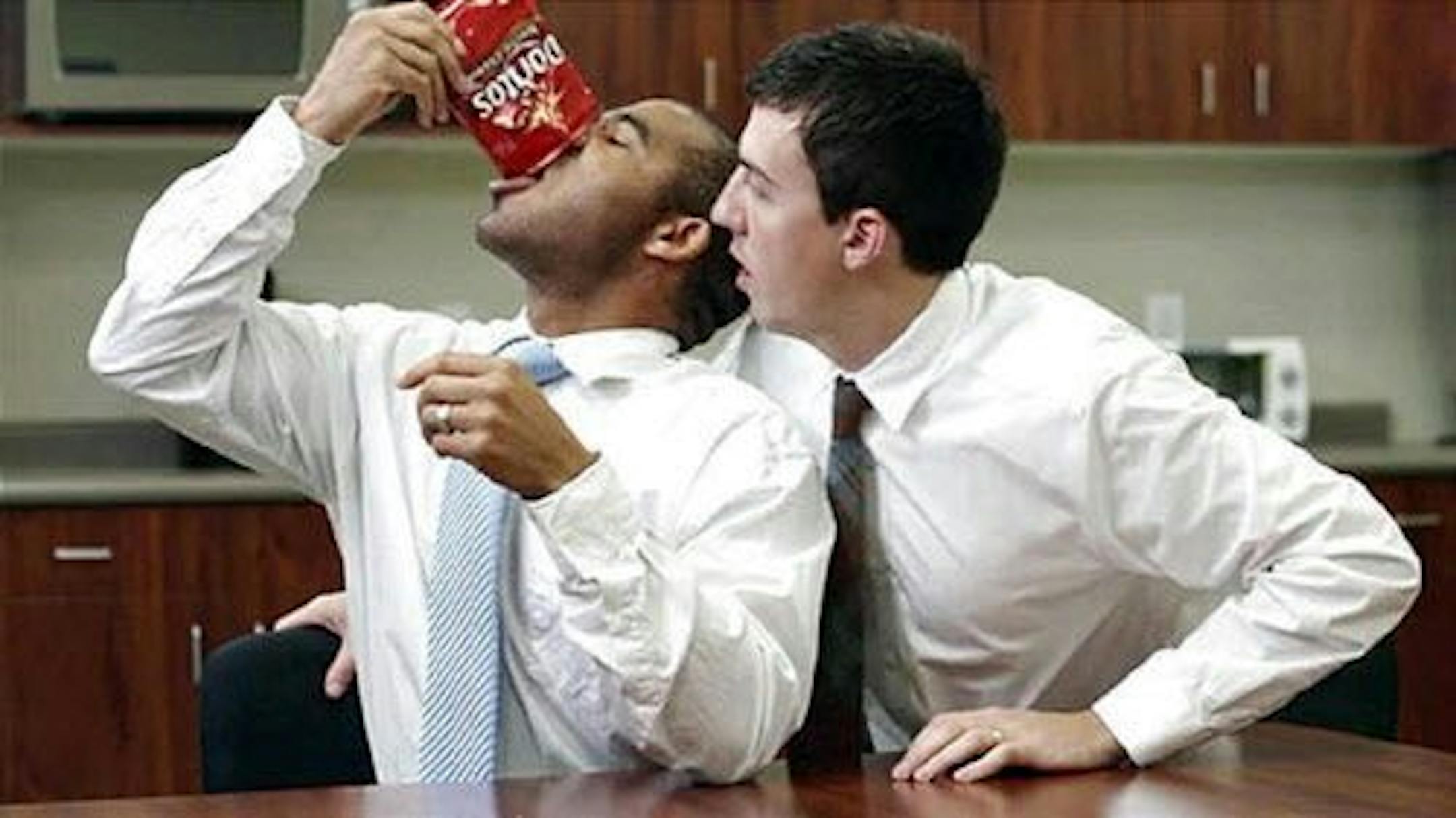
Doritos finger-licker ad from Super Bowl 2011
A Doritos ad from Super Bowl 2011.

Welcome to “the last bite,” an end-of-week food and ag roundup from the Minnesota Star Tribune. Reach out to business reporter Brooks Johnson at brooks.johnson@startribune.com to share your news and favorite food ads from your youth.

Imagine a world without TV or social media ads showing chips, sugary soda, fast food or breakfast cereal.

Great Britain is about to enter such a world.

Starting in January, the U.K. will ban online ads and TV adverts (as the Brits call them) for “less healthy” foods during daylight hours. The country’s Department of Health and Social Care expects the ban could prevent 20,000 cases of child obesity per year.

In the U.S., such a move could devastate big food companies, which spend billions annually on advertisements for less-than-healthy food choices.

“Food marketing negatively affects children’s and teens’ diets and health,” according to the Rudd Center for Food Policy and Health at the University of Connecticut. “It increases calories consumed, preferences for unhealthy product categories and perceptions of product healthfulness.”

A recent study found children routinely see junk-food marketing on YouTube that blurs the line between advertising and entertainment.

“Additional policies are needed to protect children from unhealthy food marketing in digital media that they commonly view,” the study concluded.

The U.K. also recently banned buy-one-get-one-free deals for what it deems are “less healthy” foods.

What the U.K. has done is precisely the kind of bold action the Make America Healthy Again movement seeks, at least at the grassroots level. The MAHA report issued in September only said the government will “explore the development of potential industry guidelines to limit the direct marketing of certain unhealthy foods to children,” which means no mandate is on the way.

Join the discussion about food and health at Food Ag Ideas next week, which will include panels and talks on ultra-processed foods, plant-based trends and “functional” foods.

Data dish

Minnesota’s Jennie-O Turkey Store has received more indemnity payments for bird flu outbreaks than any other single company, according to a federal spending database.

Such payments from the U.S. Department of Agriculture are meant to offset the cost of repopulating poultry barns, since federal policy mandates the killing of birds to control the spread of the virus.

That doesn’t mean Willmar-based Jennie-O, a subsidiary of Hormel Foods, has had to put down the most birds. Far from it — the vast majority of the 178 million birds bird flu has claimed have been egg layers.

But turkeys cost more than chickens, so the compensation for lost birds is higher, pushing Jennie-O up the rankings. Plus, Minnesota and its nation-leading turkey production sits in the wild bird migration corridor, bringing the virus here with ferocious regularity.

Whether a vaccine could help stomp out the nearly four-year-old outbreak remains a sticking point because of trade deals that bar the import of vaccinated birds.

“Renegotiation of international trade standards, developing reliable surveillance methods and overcoming logistical hurdles for vaccination should be a top priority,” said National Turkey Federation CEO Leslee Oden in a statement this week. “NTF is actively working with USDA, industry stakeholders and trade partners to explore solutions that allow for disease prevention while safeguarding U.S. poultry exports.”

Commodity catch-up

Cargill has agreed to pay $33.5 million to settle a class-action lawsuit that alleged the Minnetonka-based company conspired with other meat giants to fix beef prices for its gain.

This case came on behalf of consumers and follows similar settlements reached with wholesalers and restaurants in recent years. A judge still needs to approve the settlement.

Cargill, one of the four largest beef producers in the U.S. and the nation’s largest private company with $154 billion in revenue, has denied wrongdoing.

National McNugget

McDonald’s is bringing back a local angle to this year’s Monopoly game.

Eden Prairie-based Winnebago is offering up a $250,000 motor home for the lucky winner who collects both Park Place and Boardwalk, historically the toughest combo to piece together.

The company also put up the $46,000 Thrive travel trailer as an instant-win prize. The perfect vehicle to pull through the McD’s drive-thru.

about the writer

about the writer

Brooks Johnson

Business Reporter

Brooks Johnson is a business reporter covering Minnesota’s food industry, agribusinesses and 3M.

See Moreicon

More from Agriculture

See More
The Abbey Church is a landmark on the St. John's University campus located in Collegeville.
The Minnesota Star Tribune

Local nonfiction: “Greater Minnesota” travelogue details a home-grown returnee’s conversion.

card image
card image