
Trial of alleged mastermind in real estate agent’s fatal shooting goes to jury

Lyndon Wiggins took the stand in his own defense before closing arguments in his first-degree murder trial for the kidnapping and execution of Monique Baugh. Deliberations continue Monday.

The Minnesota Star Tribune
October 31, 2025 at 9:01PM
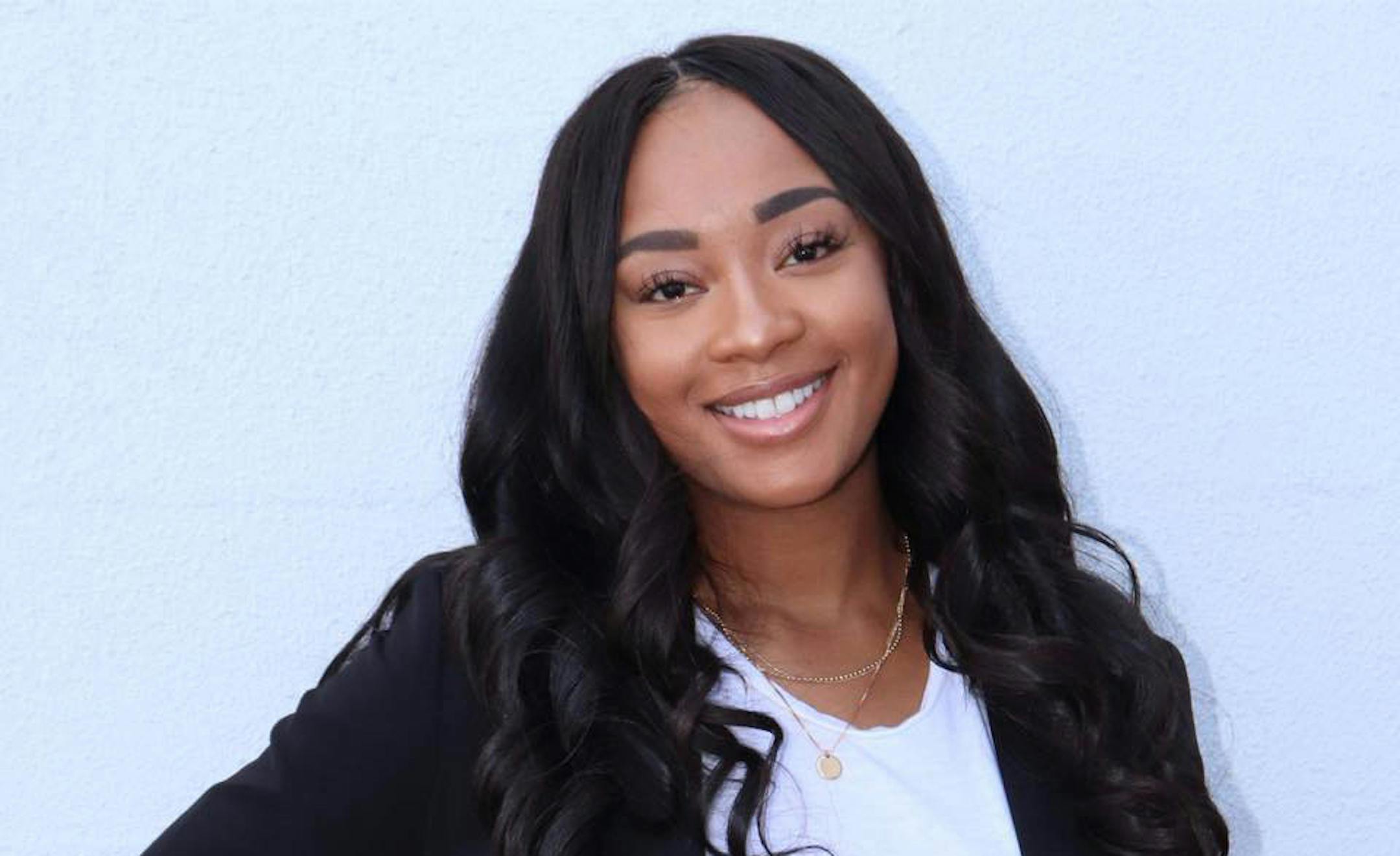
Monique Baugh ORG XMIT: E7820vs2Chcdp1H1chTS
Monique Baugh, the real estate agent kidnapped and killed on New Year's Eve 2019. (Facebook/guest)

After a nearly three-week trial filled with open hostility, lengthy delays and questions of witness integrity, a Hennepin County jury now holds the fate of the alleged mastermind of a vicious execution of Twin Cities real estate agent Monique Baugh and the shooting of her boyfriend, Jon Mitchell-Momoh, in front of their two young children.

The jury, composed of six women and six men, has been asked to return verdicts against Lyndon Wiggins. He is charged with aiding and abetting first-degree murder, attempted first-degree murder, kidnapping to cause great bodily harm and first-degree murder while committing a felony.

Three people are already in prison for the crime: Cedric Berry and Berry Davis, convicted of first-degree murder for carrying out the killing; and former Hennepin County probation officer Elsa Segura, who pleaded guilty to kidnapping for setting the plan in motion by creating a fake real estate showing with Baugh on New Year’s Eve 2019.

State prosecutors presented evidence that Wiggins was the man behind the scenes who orchestrated it all and that his motive stemmed from a falling out with Momoh over their rap label and a belief that Momoh had snitched on him over drug dealing.

“Monique Baugh was used by this defendant because he uses people,“ Assistant Hennepin County Attorney Paige Starkey said in her closing statement Friday. ”He uses people to accomplish whatever he wants. It is reasonable to conclude from the evidence that this defendant didn’t specifically intend that Monique would be killed; it seems clear that the real target that day was Jon Mitchell-Momoh, but he was willing to use her to get to him.”

Wiggins’ defense attorney, Sarah Gad, argued the state’s entire case was built off weak, circumstantial evidence of cellphone tower pings and witness cooperation from Segura, who was compelled by the court to testify and said Wiggins gave her a cellphone and a fake name to call Baugh to set up the showing.

Gad said the people responsible for Baugh’s killing were already being held accountable and that Wiggins was a target of federal and state prosecutors who knew he was running a mammoth drug organization. (Wiggins is serving 19 years in federal prison on a drug conviction.) Gad said in mountains of investigative evidence there was not “a single communication tying Mr. Wiggins to these individuals or suggesting this was some murder for hire.”

Starkey and her co-counsel, Assistant Hennepin County Attorney Christopher Filipski, acknowledged as much. The evidence presented by law enforcement investigators against Wiggins at trial largely focused on phone calls and people’s movements based on cellphone tower data — but they presented no direct evidence like text messages or witness testimony showing Wiggins paying or plotting to kidnap Baugh to get to Momoh.

The prosecution alleged Wiggins was too criminally aware for that, too skilled at destroying evidence, but that he was the one who had connections to the two killers and Segura, and he was the one with a motive to see Momoh killed.

“The defense theory, this idea that these three formed this independent crew completely absent of Lyndon Wiggins … I guess it’s a nice idea, maybe the best argument," Starkey said. “But it doesn’t make any sense and it is not supported by the evidence.”

She told jurors they could find Wiggins guilty using their common sense and looking at the totality of the evidence.

“Wiggins said this phrase: ‘I am the connection,’” Starkey said. “He had to acknowledge he is the common denominator between these people.”

Gad told the jury that absence of evidence is not evidence. She said all of the hard evidence presented about the kidnapping and killing — a plan that spanned from Baugh showing up for a real estate showing to the killers arriving at Baugh’s mother’s home where Momoh was babysitting their children and to Baugh’s eventual execution in a north Minneapolis alley — pointed only to “Cedric Berry and Berry Davis alone.”

“DNA, fingerprints, surveillance footage, receipts, eyewitnesses, paper trail — it all points to Cedric Berry and Berry Davis.”

Segura’s testimony was crucial to the state. She said Wiggins delivered the burner phone and told her to call Baugh for the real estate showing and provided her with an alias and the address of the home for sale.

But Gad poked holes in her testimony as Segura also told the jury she had never met Berry or Davis, was not involved in drug sales and had only pleaded guilty to kidnapping Baugh last year so she could get a deal to drop first-degree murder charges against her.

Gad also used the cellphone data to argue that Berry and Davis had driven to Segura’s home the night they bought the burner cellphone

Wiggins, whose cellphone was near the T-Mobile store where the phone was bought, did not travel to Segura’s home at the same time as Berry and Davis.

Both sides agreed on one thing: Wiggins was not present during the kidnapping of Baugh, the shooting of Momoh and the execution of Baugh.

They disagreed on what that meant.

To the state, it showed the kingpin behind the scenes orchestrating the crimes without getting his hands dirty. To the defense, it showed the state trying to bend disparate evidence into a successful prosecution of Wiggins, an innocent man.

“Focus on what evidence is actually there and what evidence isn’t,” Gad told the jury. “If you find yourself trying to fill in gaps, that is evidence the state has not met their burden.”

Starkey responded, telling the jury it had a simple task: consider everything they knew about the case and ask themselves if there’s any way “that this man had nothing to do with this.”

Wiggins testifies

Before the trial went to closing arguments, Wiggins took the witness stand Thursday in his own defense.

His testimony was reflective of the trial as a whole, filled with dualities and hostilities. Wiggins testified he knew Baugh before he knew Momoh and had no reason to harm either of them.

He testified that if he had wanted to get to Momoh, he could have, without Baugh. He also admitted to leading a successful drug organization that routinely cleared $60,000 to $100,000 in sales in a short period. He said he worked closely with Davis. Wiggins acknowledged that Davis was always with Berry but Wiggins said he didn’t know Berry at all.

Starkey asked him if they were ever together. Wiggins asked her to define together. She bristled at that and Wiggins said, “You can be tricky with words, Ms. Starkey.” To which she replied, “That’s ironic, coming from you, Mr. Wiggins.”

Judge Mark Kappelhoff, as he did throughout the trial, attempted to calm the tensions.

As Wiggins testified, Starkey pressed on, getting him to admit he had been making multiple phone calls from prison to Davis ahead of this trial. Wiggins said he had heard Davis wanted to admit to the killing and say Wiggins had nothing to do with it.

Starkey asked if Wiggins had been back in contact with Segura. He admitted to having phone sex with her and saying he loved her multiple times a week.

Starkey said Wiggins’ testimony was self serving, and “reflective of the way he regards other people.”

She said he uses Segura as a drug mule, as a credit card, as a vehicle for sex, because she loves him and he can weaponize that. She said that pattern fits with his alleged plot to kidnap Baugh to kill Momoh.

“At the very end, even if he didn’t specifically intend for Monique to die, his plan meant she would be abducted, traumatized, probably injured and her children would watch their father die in front of them,” Starkey said at closing arguments. “This was personal. This is what a personal crime looks like.”

When Gad cross-examined Wiggins, she asked if he had any reason to harm Baugh.

Wiggins said he had three daughters and “I would never harm Monique Baugh.”

“Did you have any reason whatsoever to want to hurt Mr. Momoh?” Gad asked.

“No,” Wiggins answered.

The jury deliberations began Friday afternoon, but no verdict was reached so deliberations will continue Monday. Starkey, who has been working this case for nearly six years, showed the jury a photo of Baugh and the 28-year-old’s two daughters as the trial came to a close.

“Two weeks ago today she should have turned 34. Those babies on her lap, they’re spunky little girls now. They should have been celebrating with her,” Starkey said. “She was the ultimate victim. She has nothing to do with this. Her only crime was loving an imperfect man. That, thankfully, is not a crime.”

about the writer

about the writer

Jeff Day

Reporter

Jeff Day is a Hennepin County courts reporter. He previously worked as a sports reporter and editor.

See Moreicon

More from Twin Cities

See More
card image
Aaron Lavinsky/The Minnesota Star Tribune

Parents and teachers said the decision felt rushed. District leaders say choices had to be made now for a state-mandated debt plan.

card image
card image