

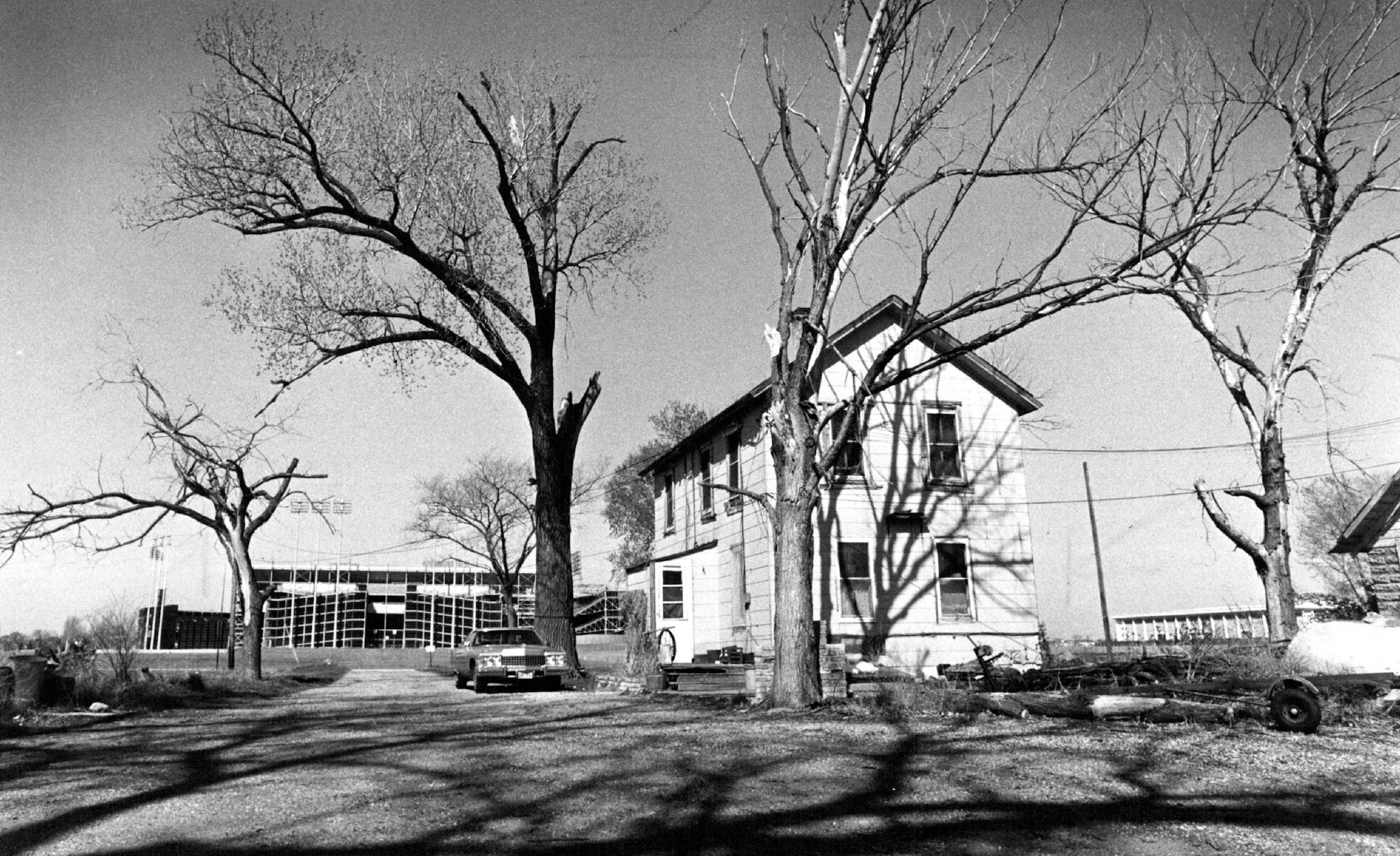
On the same day — May 11, 1858 — that Minnesota became the 32nd state in the union, two dozen residents in southern Hennepin County established the town of Bloomington. The village remained an agricultural-based community for much of the next 100 years, providing produce for the nearby cities of Minneapolis and St. Paul.
In the decade of the 1950s Bloomington’s population grew from 9,900 in 1950 to 50,500 in 1960. Lyle Gerhardt had a front-row seat to the transformation from his family’s farm.
Gerhardt, who grew up on the farm that had been in his family since the start of the 20th century, died on Jan. 1. Gerhardt, who was living in Lakeville, was 102.
The piece of land, which Gerhardt and his father, Paul, farmed, was the biggest parcel of the land that was purchased in 1955 and became the site for Metropolitan Stadium. The stadium, which opened in 1956, was home to the minor league Minneapolis Millers from 1956 to 1960 and the Minnesota Twins and Minnesota Vikings from 1961 to 1981. The stadium was demolished in 1985, and the site is now the home to Mall of America.
In August 1954, the cities of Minneapolis and Bloomington reached an agreement to form the Metropolitan Sports Area Commission. The parties agreed to build a stadium on a 164-acre site in Bloomington, which they hoped would lure major league baseball to the Twin Cities.
In June 1955, the commission completed the purchase, which included the 50-acre Gerhardt farm.
Groundbreaking for the stadium was slated for June 20, 1955. Two days before, Paul Gerhardt and several property owners said they were considering disrupting the ceremony. The group emphasized they didn’t object to the commission purchasing the land and that they were satisfied with the amounts they had been paid for their land. Their objection was that they hadn’t been paid, and the commission hadn’t provided the legal paperwork to say they were owed any money.
Paul Gerhardt put up a barricade made up of farm equipment along his property line, which went through where the infield of the future stadium would be, to prevent the start of excavation and grading work. Last-minute negotiations resulted in an agreement. The commission said the landowners would be paid immediately.


