
‘Our own little space in this world’: Partnership helps families achieve dream of homeownership

Connecting resources proves key to reaching public housing residents ready for the next step.

Sahan Journal
January 10, 2026 at 8:00PM
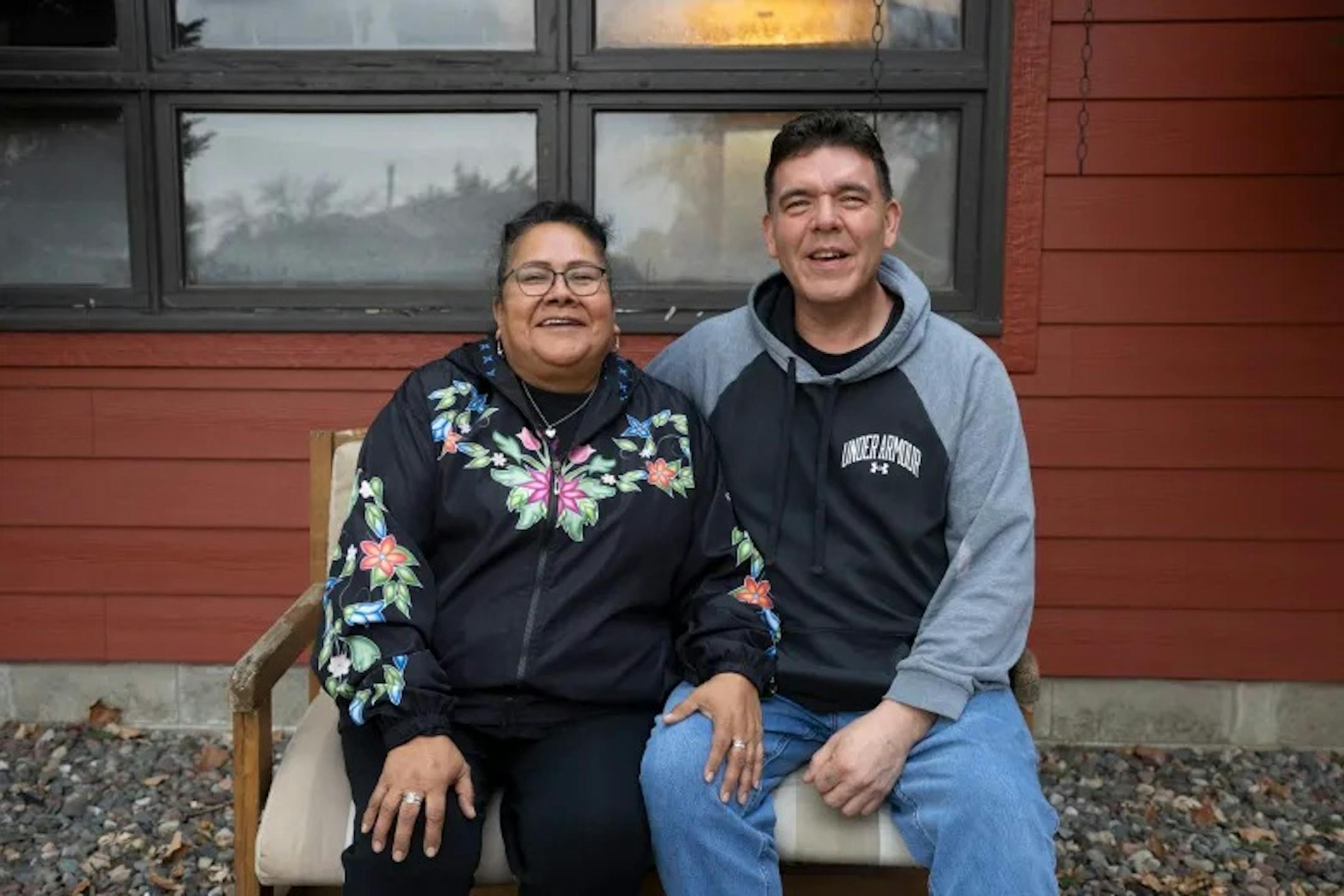
Angeline Rainey and Allen Weitzel, photographed Oct. 30, bought their first home through the Pathways to Success program. (Aaron Nesheim/Sahan Journal)

For many years, Angeline Rainey and Allen Weitzel never dreamed they might someday own a home.

The longtime couple spent years in public housing. At one point, Rainey lived in her car.

“Having a house wasn’t in any type of reach of reality,” she said.

But in 2025, they were the first family to buy a house thanks to Pathways to Success, a Minneapolis Public Housing Authority partnership with several nonprofits, including Twin Cities Habitat for Humanity, Twin Cities Rise and PRG Inc.

The program started in 2023 to help public housing residents work toward homeownership.

Abdi Warsame, executive director of the Minneapolis Public Housing Authority, said the nonprofits already provided resources, but the partnership helped people connect with them more readily.

The program is geared toward public housing residents who are beginning to earn too much to continue to qualify for public housing.

“Now they need to find different opportunities,” Warsame said. “And one of the opportunities is, how do you become a homeowner?”

The steps to buy a home can be overwhelming, and the partnership helps make that easier, he said. Also, public housing in Minneapolis has a significant wait list, and Warsame hopes the program will help get more people off that list as residents look to own or rent elsewhere.

Rainey first lived in public housing as a child, when her mother moved her family into an apartment in Minneapolis’ Little Earth development, the only Native preference project-based Section 8 rental assistance community in the U.S.

Weitzel, who is also Native, came to Minnesota from Pennsylvania in 1980 with his mother. He and Rainey met in 1999 and, for about 15 years, they rented a home in south Minneapolis through the Housing Authority. They have fond memories of their time there. Rainey and Weitzel, who each had children from previous relationships, combined their families, then had a daughter together, and also became grandparents.

Over those years, Rainey worked as a driver and Weitzel in construction and roofing, and they began to build up their finances.

Then they were notified that their income was approaching the point where they would no longer qualify for public housing. They would have about two years to find their next place to live.

The Housing Authority told them about the Pathways to Success program and asked if they were thinking about homeownership.

“I thought, ‘Oh my God, I don’t know, that’s a lot,’” Rainey said.

Thanks to the partnership, Rainey and Weitzel underwent homebuyer education and programming with Twin Cities Habitat for Humanity. The classes, mostly online, covered topics such as the steps in buying a home and basic financial education.

At the same time, the couple consolidated their debt, worked to pay off loans and improved their credit scores.

“All the help, the programs that we went through to get here, there’s a lot out there that we never even knew about,” Weitzel said.

Shereese Turner, chief program officer of Twin Cities Habitat for Humanity, said it’s important that organizations work together to help residents, instead of existing in silos. The Pathways to Success program was born out of conversations she had with public housing officials.

“It’s a reminder that we just can’t stay in our homeownership lane, and we have to be gearing off in other lanes if we’re going to stabilize and transform our communities,” she said.

The program also partners with Twin Cities Rise, a nonprofit that helps residents find employment. Alex Merritt, vice president of program operations at Rise, said the nonprofit offers an eight-week employment program.

“This gives and makes the achievement and attainment possible for so many more people that may not have had the standard journey of go to school, get a job, save your money, buy a house,” she said.

The housing nonprofit PRG Inc. joined the partnership in 2024.

Warsame said each family can take advantage of services that best suit their situation. The program takes time to complete, but he hopes more families will stick with it and buy homes.

As Rainey and Weitzel worked toward homeownership through the partnership, tragedy struck. In 2024, their daughter Krissa died. She was 19. The loss was unexpected and heartbreaking. The family wasn’t sure if they could go on and be able to buy a home.

Rainey began taking part in full moon ceremonies to help her through her grief, and leaned on her siblings for support. She thought of her other children and grandchildren, and how they had inspired her to seek homeownership.

In July, Rainey and Weitzel bought a home in Brooklyn Center, a red-orange house on a quiet residential street. They live there with their teenage granddaughter.

Turtle decorations can be found around the house, references to Krissa’s Native name, Turtle Woman. In the basement, Rainey has an area set up where she sews and makes ribbon skirts. A nearby shelf holds photos of Krissa.

“I think of it as our own little space in this world, our own nice little sanctuary,” Rainey said.

About the partnership

This story comes to you from Sahan Journal, a nonprofit newsroom dedicated to covering Minnesota’s immigrants and communities of color. Sign up for a free newsletter to receive Sahan’s stories in your inbox.

about the writer

about the writer

Katrina Pross