How Twin Cities restaurants are changing amid ICE surge: ‘We are pretty much back to COVID’

Locked doors, extra security, staff shortages, changing hours and temporary closures are all part of doing business in an effort to stay afloat.

The Minnesota Star Tribune
January 19, 2026 at 12:00PM
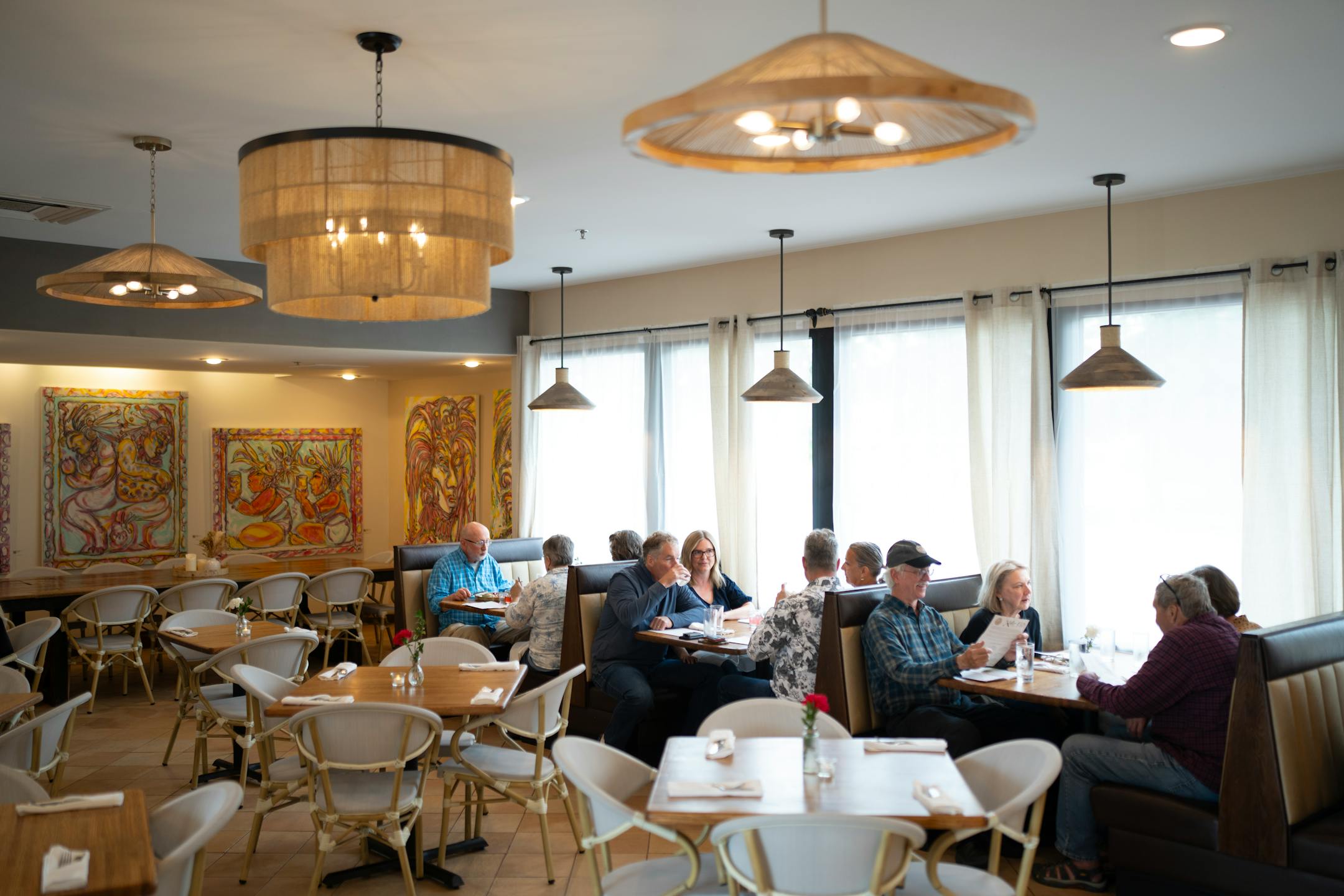
At Marna’s Eatery and Lounge in Robbinsdale, owner Rolando Diaz is working multiple roles as the restaurant's staffing situation remains tenuous. (Richard Tsong-Taatarii/The Minnesota Star Tribune)

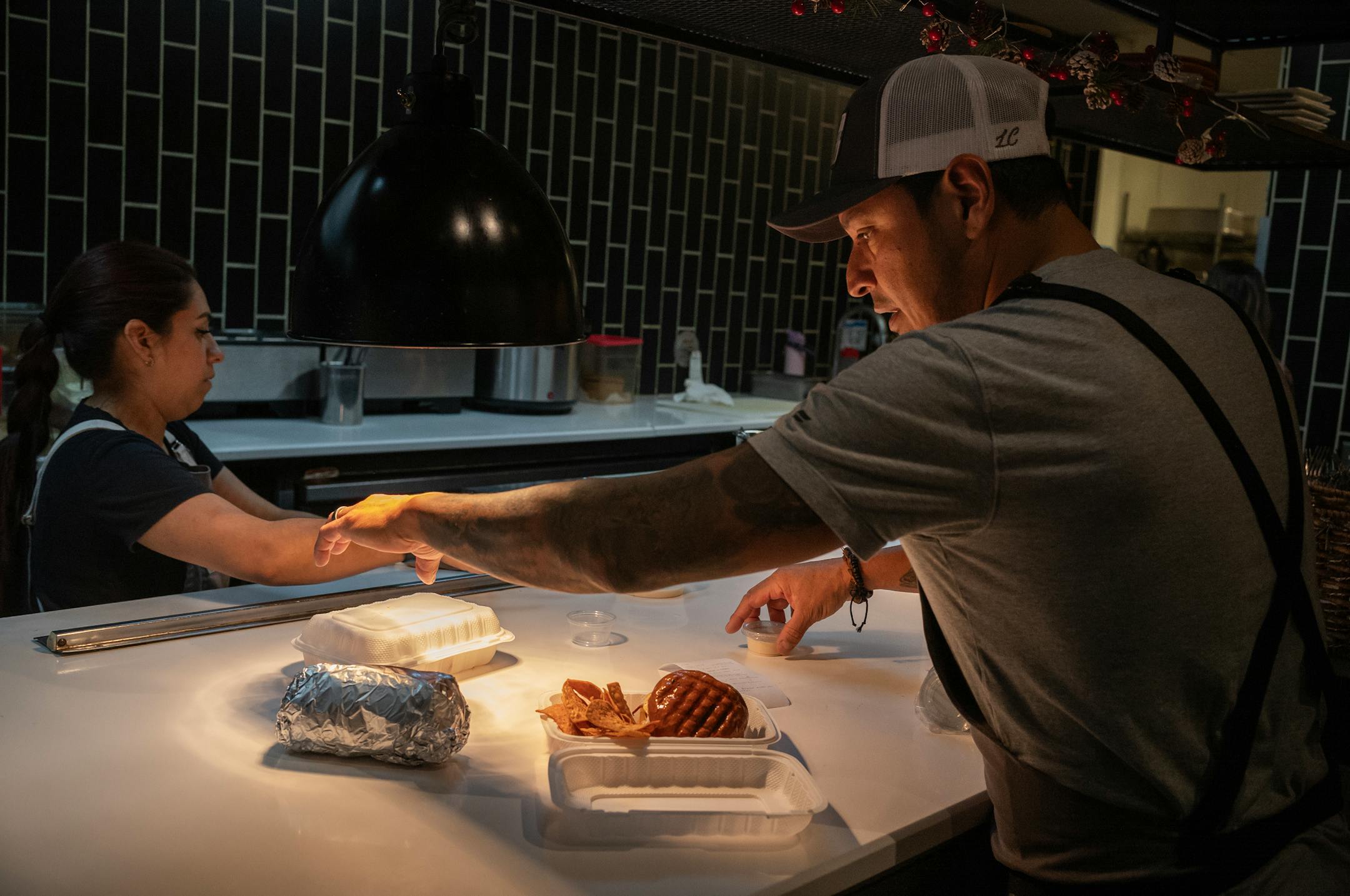
The bar stools were filled at Marna’s Eatery and Lounge in Robbinsdale on a recent weekday evening as owner Rolando Diaz poured a creamy cocktail from a shaker. Neighbors trickled in, and Diaz moved from bar to dining room to kitchen, packing takeout boxes, sorting silverware and greeting guests in a space designed to feel like a tropical escape.

But behind the scenes, Diaz said, the Costa Rican restaurant is under strain. It showed in a video he posted asking diners for patience as the restaurant struggles to operate short-staffed, with many of his mostly Latino employees afraid to come to work amid increased immigration enforcement activity in the Twin Cities.

Guests might only notice longer waits for chicken empanaditas, but more change is coming. Diaz’s lease is up in April, and he’s planning to give up half of his restaurant, consolidating the dining room and neighboring catering venue to reduce costs and keep the business afloat.

With many staffers not feeling comfortable coming to work, Marna’s Eatery and Lounge owner Rolando Diaz is asking guests for patience and understanding as he takes on every role in the house, from cooking to busing tables. (Richard Tsong-Taatarii/The Minnesota Star Tribune)

“I’m a really positive guy, but I’m also very realistic,” Diaz said. The current ICE surge in Minnesota “is not something that’s gonna be done in a week, so we’re just preparing for the hit now.”

As immigration enforcement activity increases across the Twin Cities and the suburbs, food businesses are adjusting, making visible changes such as locking doors to screen customers before entry, cutting hours, switching to takeout-only service, temporarily closing and consolidating space. Many restaurants are operating short-staffed, with owners taking on multiple roles simply to keep things going.

Preparing for disruption

The changes stretch across the metro, from Lake Street and University Avenue to downtown Minneapolis and suburban main streets, showing up in restaurants, grocery stores, bakeries, food halls and fast-food outlets.

Owners say the moment brings back the early days of the pandemic, having to stay nimble as routines change. But this time, they’re expecting even longer-term disruption.

“We are pretty much back to COVID,” said Miguel Lopez, owner of Homi Restaurant on University Avenue in St. Paul, speaking while chopping steak for tacos.


Driven by a combination of staffing shortages and safety concerns, Lopez closed the restaurant’s dining room and locked the door, moving to pre-ordered takeout until things return to normal. “I cannot take care of my customers the way I really want to take care of them,” he said.

Lopez said fear has kept some regulars away. “I’ve had customers and friends that have been stopped on their way here and asked for papers,” he said. “As a business, we’re hurting.”

The comparison to COVID-19 comes up again and again for restaurant owners.

Marna’s Eatery opened just months before the pandemic, forcing Diaz to pivot early. “During COVID, people were afraid to go out because they were afraid to get sick and die,” he said. “Now they’re afraid to get out of the house and never come back to it.”

At Crasqui, just outside downtown St. Paul, owner Soleil Ramirez is selling frozen meals for customers who don’t feel comfortable dining out, echoing 2020. She has also locked the doors, switching to reservation-only service. She stopped taking walk-ins after a recent incident in which Ramirez said a man who identified himself as an ICE agent dined at the restaurant. Community members arrived for support and stayed until closing.

Venezuelan-born restaurateur Soleil Ramirez outside her St. Paul restaurant Crasqui, which she keeps locked during business hours. (Aaron Lavinsky/The Minnesota Star Tribune)

“I don’t want to disrupt any guest experience,” Ramirez said, adding she wants to protect her entire team and herself.

She’s worried about more than staffing and security. Ramirez said sourcing ingredients has become increasingly difficult as distributors and markets serving Latino restaurants cut back or close, too.

Amid these struggles, Ramirez is preparing for the worst. She said she is training family members to run the restaurant in case she, a Venezuelan immigrant, is detained. “I need to have a plan B as a business person,” she said, “but also as a human.”

Business isn’t always booming

The challenges go beyond immigrant-owned restaurants in corridors like Lake Street, where Colonial Market is preparing to rent out part of its space and the Breakfast Club has security guards at the door, and St. Paul’s West Side, where community pillars Boca Chica and El Burrito Mercado took brief hiatuses. Independent restaurants across the metro, regardless of cuisine or ownership, are feeling the pressure.

Alex Roberts, whose restaurant group includes Brasa and Alma, closed Brasa’s St. Paul and northeast Minneapolis locations last week. He said the situation remains “fluid” at his other restaurants.

“Our stores, and nearly all independent Twin Cities restaurants, are seeing a significant downturn in business,” Roberts said in a statement. “It’s threatening to the overall economy and everyone that lives here.”

Some restaurants have been hit harder than others.

At Albi Kitchen on the edge of downtown Minneapolis, owner Fardowsa Abdul Ali said her colorful cafe with Somali sweets and sambusas was already struggling, ever since a viral video about a nearby daycare showed images of her business.

“I really lost a lot of customers,” Ali said. “They don’t come here.”

Many regulars worried about being photographed or targeted, she said. “Before, people used to sit down, order food, talk. People socialized here. But not anymore.”

Now with ICE’s increased presence, the slowdown in business is worse — even among her patrons who are U.S. citizens but fear being stopped. Then there are her own fears. Since the video, Ali’s phone rings constantly with harassing calls, and her home address was posted online.

She has considered hiring security for the cafe but said she can’t afford it. “I don’t feel safe, to be honest,” Ali said. “I came to this country to be safe, not scared.”

At Xelas by El Sazon in Stillwater, owners Cristian and Karen de Leon closed briefly before reopening with a menu that puts a Latin spin on American classics. (Jeff Wheeler/The Minnesota Star Tribune)

Change is constant

With conditions shifting day to day, and location by location, restaurant owners urge customers to check social media for the most up-to-date hours.

El Sazon Tacos & More closed its location in an Eagan gas station until further notice after staff arrived to find ICE vehicles parked across the street. But when co-owners Karen and Cristian de Leon posted online about that closure, customers flooded their Minneapolis location. “We were probably the busiest we’ve been in a long time,” Karen de Leon said. “It’s great to see the support.”

Things were quieter in Stillwater, where the couple’s restaurant Xelas has seen a dip in business. They closed for three days before reopening with a pop-up menu of familiar American fare — mac and cheese, meatloaf, fried chicken — reimagined with Indigenous ingredients such as corn, honey and ancestral spices. Ten percent of sales go to families in need, including staff who haven’t been able to work.

The name of the menu: El Migrante.

about the writer

about the writer

Sharyn Jackson

Reporter

Sharyn Jackson is a features reporter covering the Twin Cities' vibrant food and drink scene.

See Moreicon

More from Eat & Drink

See More
card image
Nancy Ngo/The Minnesota Star Tribune

The Vietnamese noodle soup is built on beef broth and branches off from there. Here are three spots to find the dish that caters to spice lovers.

card image
card image