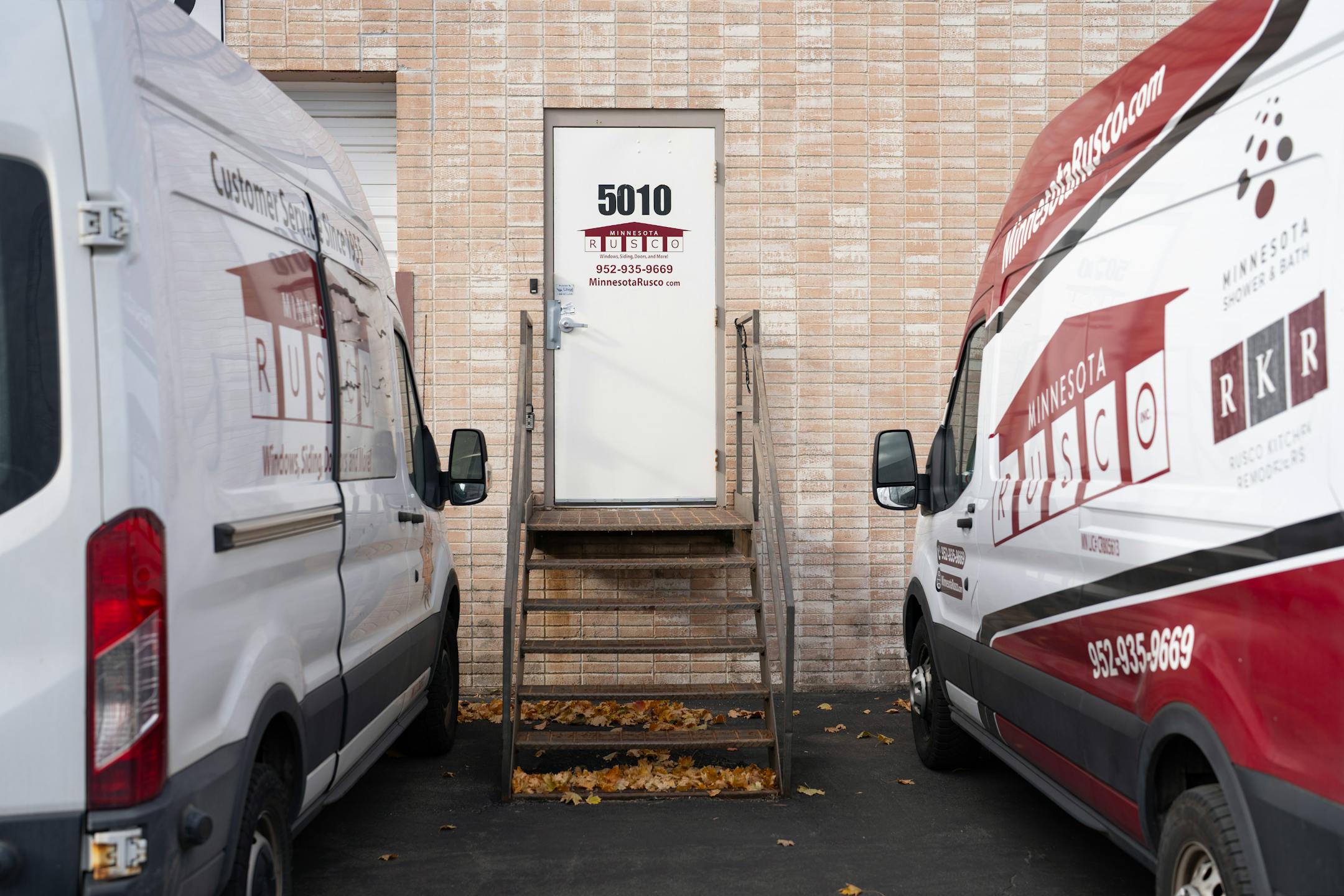
The news came without warning. At 9:30 a.m., CEO Jacob Deems told Minnesota Rusco’s senior leaders that their parent company, Renovo Home Partners, was bankrupt — and that their own company was finished, leaving 130 employees out of work.
Sean Orr, Rusco’s chief financial officer, felt the air leave the room that morning two weeks ago.
Renovo’s collapse marked the end of a brief chapter that began in 2022, when Audax Group, a Boston-based private equity firm, bought the 70-year-old remodeler and folded it into a national home-improvement conglomerate.
The deal promised growth, but it instead tied Rusco to a web of investors — including BlackRock TCP Capital Corp., a lending affiliate of the global asset manager BlackRock — and ultimately to a failure that rippled nationwide.
While he knew how private equity firms could operate, Orr said it was still a gut punch.
The closure illustrates how private-equity ownership can unravel in an industry flooded with investment firms buying and bundling local remodeling companies. Private-equity firms often pursue a “roll-up” strategy, buying local remodelers, merging operations and aiming to resell the combined company at a profit.
That strategy has faltered as higher borrowing costs, a cooler housing market and rising labor expenses have eroded margins.
Renovo’s collapse follows a familiar pattern for debt-fueled private-equity ventures. Many home-remodeling conglomerates built during the pandemic’s low-rate era were especially vulnerable once borrowing costs climbed and consumer demand cooled.