The last bite: Hormel’s tough run of bird flu, fire, a recall and earnings miss

Also in this week’s food and ag roundup, food volumes fall, more on Minnesota’s soybean situation and why Halloween spending is on the rise.

The Minnesota Star Tribune
October 31, 2025 at 2:31PM
Hormel headquarters in Austin, MN. ] GLEN STUBBE * gstubbe@startribune.com Friday September 11, 2015 Despite woes throughout the food industry, partly due to consumers turning away some from processed foods, Hormel has managed to continue prospering -- even though a good part of its business -- Spam, chili -- is about as processed as you can get. But the company's turkey and pork offerings are riding a hot protein trend. And over the past two years, it's made some of the biggest acquisitions in
Hormel headquarters in Austin, Minn. (Glen Stubbe/The Minnesota Star Tribune)

Welcome to “the last bite,” an end-of-week food and ag roundup from the Minnesota Star Tribune. Reach out to business reporter Brooks Johnson at brooks.johnson@startribune.com to share your news and good-luck charms.

Hormel Foods can’t seem to catch a break lately: The Austin, Minn.-based food giant is facing a hurricane of headwinds in its quest to sell more turkey, bacon, chili and nuts.

Last month a Skippy peanut butter plant in Arkansas caught fire. Local outlets reported the fire originated in a peanut-roasting smokestack. There were no injuries, but the damage will hamper production through the end of the year.

Then avian influenza came roaring back this fall, claiming tens of thousands of Jennie-O turkeys. At the same time, inflation on beef and other raw ingredients is rising faster than anticipated, dinging efforts to raise prices to offset the higher costs.

Then earlier this week, the company voluntarily recalled 4.8 million pounds of chicken destined for restaurants and other food service customers for possible bits of metal. There were no reported illnesses or injuries.

On Wednesday, Hormel gave investors a heads-up that quarterly earnings will be 8 or 9 cents below prior expectations, and the company is taking a write-down on its snack-nuts business. That’s an indication the Planters brand is now worth less than the $3.3 billion Hormel paid for it four years ago.

Amid all this, Chief Financial Officer Jacinth Smiley is “pursuing other opportunities” after four years with Hormel, the company announced Wednesday. Hormel named Paul Kuehneman interim CFO while a search is on for Smiley’s replacement.

The company’s stock dropped 9% Wednesday as investors chewed on all the newly disclosed complications, and the share price is down more than 30% since the start of the year.
“Despite the recent impacts of inflationary pressures and isolated operational disruptions,” interim CEO Jeff Ettinger said in a statement, “we believe we are well-positioned to navigate these temporary challenges and are committed to delivering long-term, sustainable growth and value for our shareholders.”

Data dish

Looking at the latest Nielsen data for packaged food sales is a bit like doomscrolling these days.

There have been bright spots: yogurt, frozen potatoes, cat food and meat all grew volumes (the amount of food sold) in the past year.

But most arrows are pointing down. America’s “inflation diet,” as one analyst put it, isn’t just steering people toward store brands. Entire categories, like frozen dinners, cookies, chocolate candy and baking mixes, are selling less food overall.

Ground coffee volumes are also dropping as prices increased an average of 15% in the past year. That’s where private label is starting to steal more market share. Dog food and bacon are seeing more store-brand buyers, too.

Commodity cookbook

It’s worth revisiting this week’s conversation with CHS’s John Griffith, leader of the ag business at the Minnesota-based cooperative, to underscore just how big a national biodiesel standard would be for soy.

Take out 2% of all diesel used on American roads, blend in soybean-based biofuel, and that’s all the beans the U.S. typically sells to China, he said.

That’s the long, long game, given the political realities and infrastructure needed to build out such a massive biodiesel engine.

“We need some cooperation and alignment among industry players on both sides,” Griffith said, referring to oil and gas vs. biofuels interests. “And you need alignment and policy from the government so the industry can have the confidence and runway to make major investments.”

In the near term, despite this year’s China embargo, Griffith does not see farmers abandoning soy anytime soon.

“The market is extremely efficient at figuring these things out,” he said. “Farmers are in this business for the long term.”

Still: “It’s an excellent crop this year, and that makes some of these problems more urgent and acute.”

National nugget

The National Retail Foundation estimates Americans will spend $3.9 billion on Halloween candy this year, up from $3.5 billion in 2024.

That’s not because we’re buying more candy. Most trick-or-treat donors are buying less but paying more.

In September alone, the cost of chocolate candy rose 12%, according to Nielsen data. Prices for non-chocolate candy from Mars (brands like Skittles and Starburst) are up 16% in the past year, meanwhile.

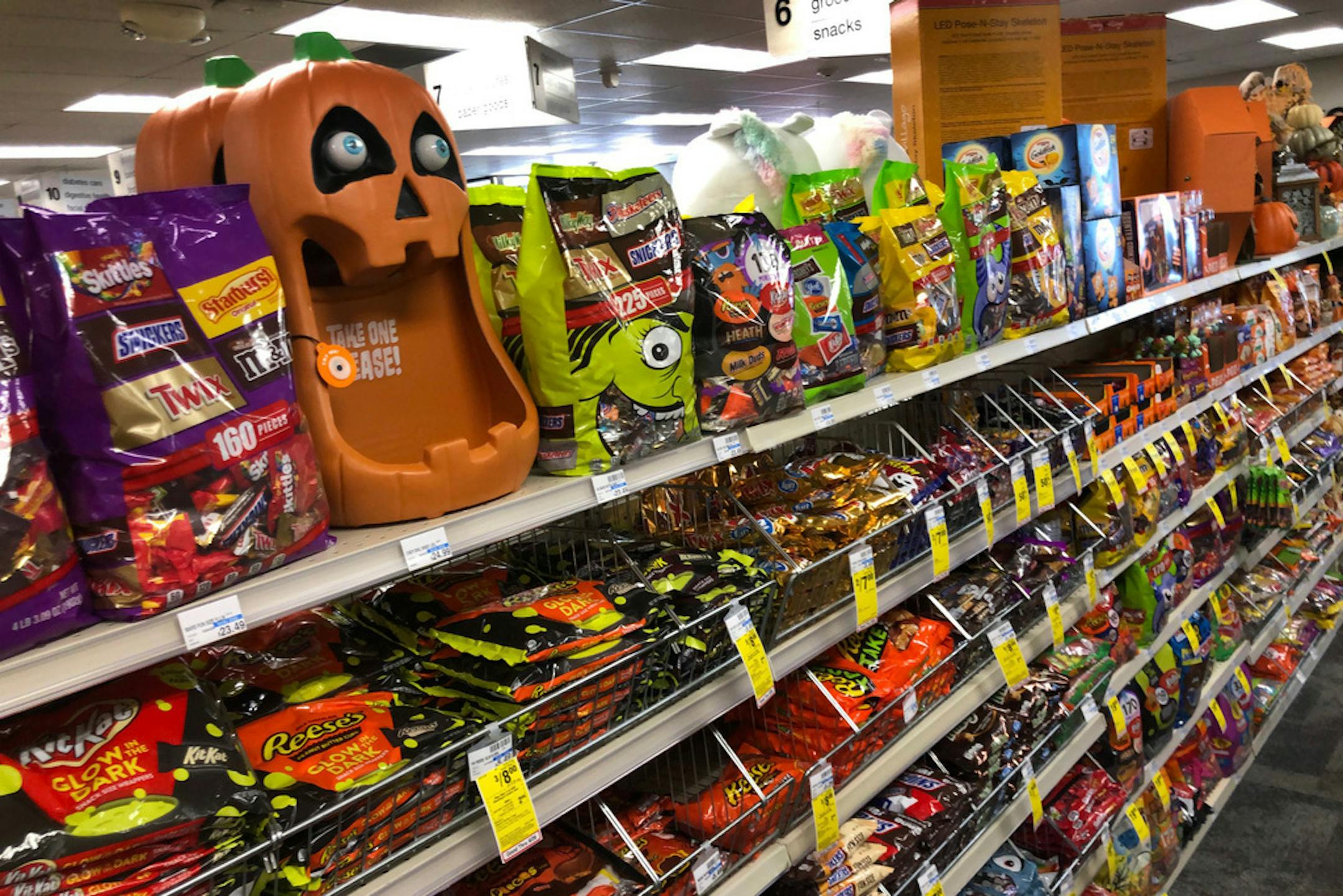
Halloween candy and decorations are displayed at a store, Wednesday, Sept. 23, 2020, in Freeport, Maine. U.S. sales of In this year of the pandemic, with trick-or-treating still an uncertainty, Halloween candy were up 13% over last year in the month ending Sept. 6, according to data from market research firm IRI and the National Confectioners Association. (AP Photo/Robert F. Bukaty)
Halloween candy and decorations in a store in Maine in 2020; prices have shot up massively since then. (Robert F. Bukaty/The Associated Press)

Tariffs are part of the increase in chocolate prices, though cocoa prices really started shooting up in early 2024 amid poor harvests linked to climate change in West Africa.

Hershey CEO Kirk Tanner said in prepared remarks this week that “Hershey’s Halloween performance has been disappointing,” based on early data.

“We are using this opportunity to analyze the trends and will adjust our product lineup and marketing strategies for future seasons,” Tanner said, though it appears lowering prices is off the table, given the massive increase in the cost of chocolate’s main ingredient.

about the writer

about the writer

Brooks Johnson

Business Reporter

Brooks Johnson is a business reporter covering Minnesota’s food industry, agribusinesses and 3M.

See Moreicon

More from Agriculture

See More
card image
Glen Stubbe/The Minnesota Star Tribune

President Donald Trump’s Truth Social post prompted the investigation, as the price of beef has risen faster than inflation in recent years.

card image
card image