In today’s newsletter: Bill George, Kevin O’Connell, Angie Lee, Meghan Gencev, Dr. Allisa Song, Dr. Sina Fateh, Dr. Robert Kinast, Danny King, Kenny King, Ted Kozlowski and Reed Robinson
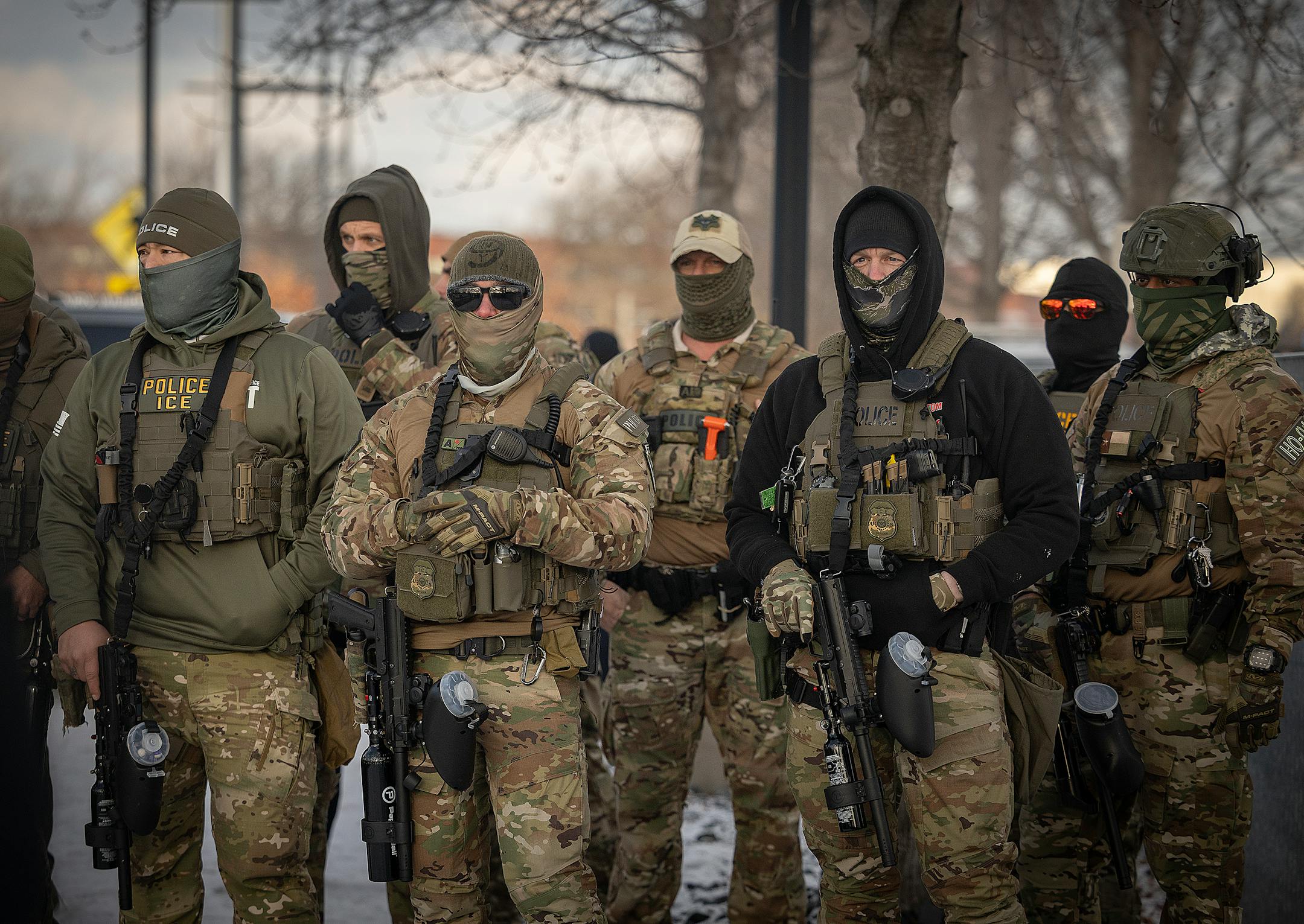
As the ICE surge in Minnesota gets larger and noisier, one group has been noticeably quiet: CEOs. Particularly, leaders of large companies, who have declined to make public statements as employees are detained (or even detained and dragged away, as captured on video and widely circulated on social media).
When current bosses won’t talk, my first call is always one of the most thoughtful experts on corporate leadership: Bill George. The former Medtronic CEO and Harvard Business School fellow spoke this week to my colleague Victor Stefanescu. George said a CEO’s first obligation is to protect employees. And we know companies large and small have their hands full right now just trying to keep workers safe and business operational. Shannon Watson, founder and executive director of Majority in the Middle, penned a piece pointing out the complexities a company can face in doing just that: “Minnesota companies are trying to strike the right tone. They are trying to communicate clearly without inflaming tensions. They are trying to support their employees without becoming political actors. They are trying to respond to community concerns without creating new risks.”
Still, George, who believes civic leadership is the obligation of a CEO, also encouraged employers to “make a statement” about ICE’s presence. Might there be power — and community appreciation — in our Fortune 500s banding together publicly?
In a complete 180 from where we were following the 2020 murder of George Floyd, CEOs see no upside in speaking out now, and fear retribution for doing so. As several interview requests were rebuffed this week, one insider assured me that behind the scenes, some executives are trying to broker a de-escalation, but they’re frustrated by a lack of consensus between federal and state officials and worried about their companies getting caught in the middle.
Smaller businesses are not immune. As my colleagues continue to cover myriad aspects of this unprecedented surge, Emmy Martin reports that ICE is shifting away from the larger-employer raids that once defined its approach to target small and mid-sized businesses. And Dee DePass reported that a staggering 80% of immigrant-owned businesses along key corridors like Lake Street have been shut down in the last week, as employees and customers stay home for fear of being detained.
And then there are small business owners like Angie Lee, who offered up her Moona Moono café and shop as a drop-off site for an emergency food drive (as if owning a business in Uptown wasn’t hard enough already). The response has been so overwhelming, she had to close donations on Tuesday while also reassuring customers they can still stop in for a coffee.
Others are processing their feelings online: Digital strategist Meghan Gencev felt compelled to share some of what’s been happening in the Twin Cities with her LinkedIn network and was surprised when the post went viral with hundreds of “likes” and shares. “Don’t get on your Teams call and carry on like nothing is happening,” Gencev wrote. “Help us feel seen. Show us you care. Ask your colleagues how they are doing. Ask them if they need anything. Give grace, extend deadlines.”