

Minnesota women business leaders respond to big company CEOs

95 women weigh in after top CEOs statement; First Avenue and local venues make a plea to music industry on the eve of Grammys. And Travis Kelce invests in Sleep Number.

The Minnesota Star Tribune
January 29, 2026 at 12:00PM
FILE - Protestors march past Plaza Mexico during an anti-ICE protest on Lake St. in Minneapolis in December. Minnesota women business leaders have called for residents to speak up and spend locally. (Alex Kormann/The Minnesota Star Tribune)

In today’s newsletter: Cheri Beranek, Susan Denk, Tammy Lee, Jori Miller Sherer, Molly Wright Steenson, Dayna Frank, Lowell Pickett, Travis Smith, Justin Kaufenberg, Jason Von Bank, Mike Speetzen, Linda Findley and Travis Kelce jumps in bed with Sleep Number

The much-discussed statement from large company CEOs has prompted significant pushback, which is no doubt overwhelming your LinkedIn feed. One of the largest group responses comes from 95 women business and community leaders, spearheaded by Women’s Presidents Organization, Business Women’s Circle and Minnesota Women’s Economic Roundtable. They issued an open letter of their own, calling on people to speak up, spend and give locally.

“This moment demands not just compassion, but courage. Not just statements, but solidarity,” the Jan. 27 open letter reads. Among its CEO cosigners: Cheri Beranek of Clearfield, Susan Denk of White Crane Construction, Tammy Lee of Xena Therapies, Jori Miller Sherer of Minnetonka and Molly Wright Steenson of the American Swedish Institute.

“Minnesota’s small businesses are more than storefronts; they are cultural anchors, community builders and economic engines,” the letter reads. It goes on to point out that small businesses make up 99% of U.S. businesses and nearly half of those employed, according to the U.S. Small Business administration.

In another statement this week, the Minneapolis Regional Chamber noted that two thirds of chamber members are small businesses. “The reality is that the tactics used during Operation Metro Surge are putting the survival of these businesses at risk.” The Minneapolis Chamber, in partnership with the St. Paul Area Chamber, Minnesota Black Chamber of Commerce, the Minneapolis Downtown Council, the St. Paul Downtown Alliance and several other organizations launched We Love Twin Cities, a website with resources for donations, businesses to support, legal services and more.

First Avenue CEO Dayna Frank, Dakota Jazz Club co-owner Lowell Pickett and a dozen other Twin Cities venue owners called on the music industry to wear “ICE Out” pins to the Grammys on Sunday, Feb. 2. The group also urged artists to come to Minnesota: “Eat at an immigrant-owned restaurant. Shop at a small business. Perform at an independent venue. Let us show off our beautiful city and its people,” they said in an open letter shared on social media.

Meanwhile, big businesses are not sitting idle. Target, General Mills and Ecolab are among the large Minnesota companies that funded $3.5 million in grants to be distributed by the nonprofit Minneapolis Foundation to assist small businesses impacted by the federal immigration operation.

Exec Moves
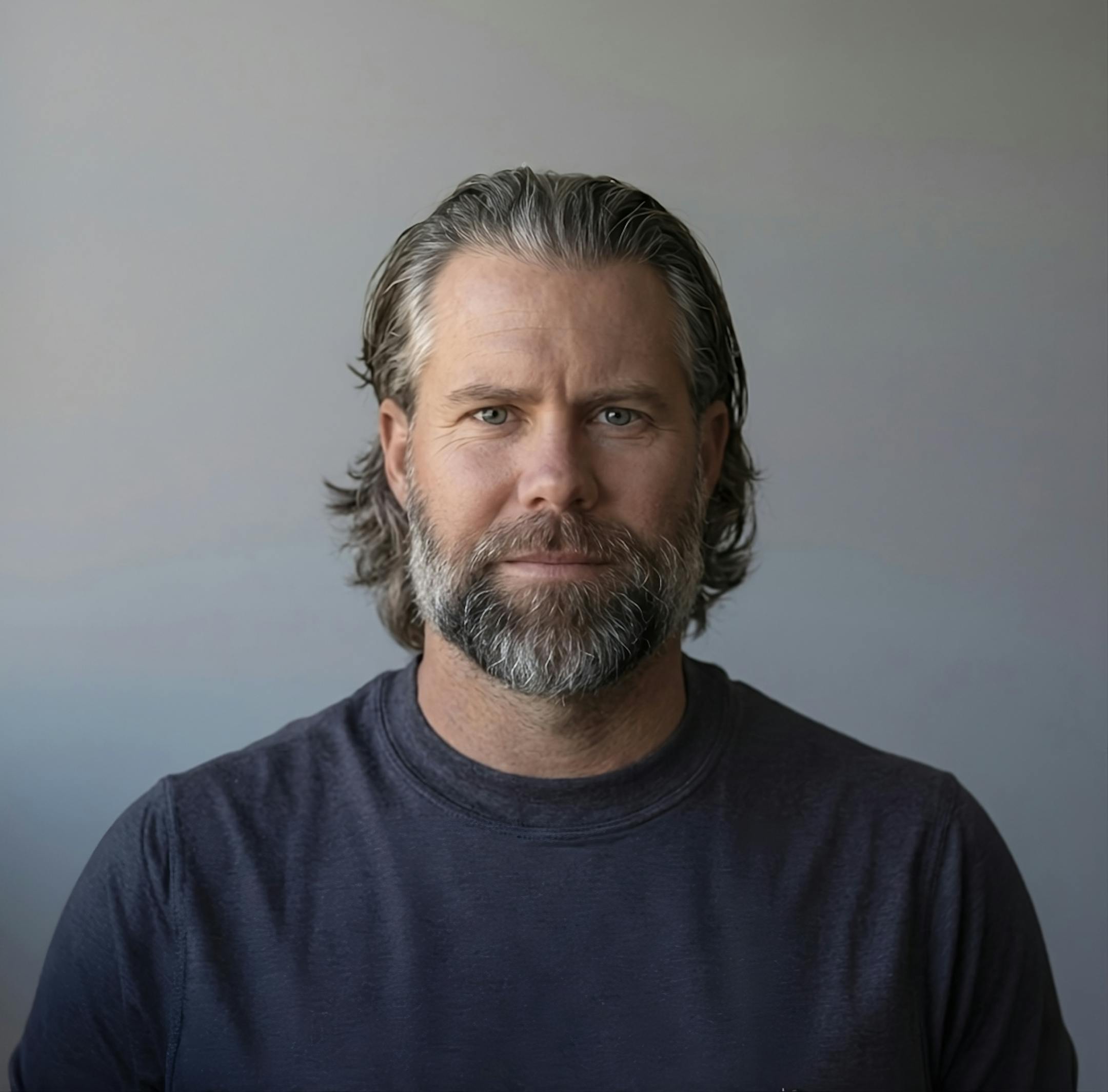
Travis Smith, CEO, Kaleidoscope

Travis Smith is the new CEO of Kaleidoscope, a Minneapolis-based scholarship management program. Launched in 2016 and backed by Rally Ventures, Kaleidoscope serves private foundations, public charities, businesses and high net worth individuals by handling the entire scholarship lifecycle, from application and review through disbursement and tracking outcomes. There’s no cost for students to use the platform to search for scholarships.


Jason Von Bank, chair, Kaleidoscope Scholarship Fund

Smith, a SportsEngine alum — like Rally Ventures Managing Director Justin Kaufenberg — joined Kaleidoscope a year ago as chief revenue officer. He takes over from Jason Von Bank, who is transitioning into chair of the new Kaleidoscope Scholarship Fund, which is designed to fill the gap for donors and organizations that don’t have a foundation or scholarship program of their own. His goal is to raise $1 billion in new scholarships for students.

“The cost of higher ed is going to be one of our biggest challenges over the next decade,” Smith said. “We are creating an ecosystem where relationships are built over time. We’re creating rings of influence and developing a work force that understands the value of giving back.”

Travis Kelce to the rescue?

Donna Kelce, left, celebrates with her son Kansas City Chiefs tight end Travis Kelce and Taylor Swift after the AFC Championship game in 2025. (Ashley Landis/The Associated Press)

Sleep Number is dreaming of a Swifty-sized boost on the news that NFL star Travis Kelce (a.k.a. Taylor Swift’s fiancé) is taking a stake in the struggling mattress company. The Kansas City Chiefs tight end has entered a three-year brand deal with Minneapolis-based Sleep Number. He’ll appear in national ads for the brand on television and social platforms, but even more significantly: He’s buying shares and receiving restricted stock that will make him one of the company’s top shareholders with a stake of under 5%.

The partnership comes as Sleep Number is in turnaround mode under new CEO Linda Findley. The company has been in a downward spiral since the pandemic, with 11 consecutive quarters of losses.

“I’m intentional about where I invest and the brands I align with. I’ve slept on a Sleep Number bed for years,” Kelce said in a statement released Wednesday, Jan. 28. ”This partnership reflects my confidence in where the company is headed and the growing opportunity around sleep.”

When Kelce invested in Six Flags last fall, shares went up 18%.

“Travis’ passion for and awareness of the health benefits of sleep, combined with his business acumen, will be a helpful accelerator of our work as we continue to share our story and attract new, younger consumers to the brand,” Findley said in a statement.

Sleep Number has been an NFL partner since 2018.

In the news

Bad week for UHG: UnitedHealth Group shares fell nearly 20% on Jan. 27 after the federal government proposed relatively flat payment rates next year for Medicare Advantage health plans. The Eden Prairie-based insurer might have to cut benefits for seniors in 2027, Christopher Snowbeck reports.

Polaris Q4 results: Polaris ended a difficult year on an encouraging note. The company this week reported fourth-quarter sales up 9% with sales of off-road vehicles and snowmobiles on the rise. But overall, the Medina-based company finished its fiscal year with a loss of $303.6 million, which industry watchers attributed to the sale of its Indian brand. “Our long-term growth plan remains anchored in category-defining innovation,” CEO Mike Speetzen said in an earnings statement.

Great Northern pivots: The Great Northern Festival is moving much of its outdoor programming indoors this weekend due to safety concerns. Some events will be delayed. But the Great Northern Sauna Village in the courtyard of Riverplace will continue as planned, Jan. 28 to Feb. 1. Bring your own towel.

New date to network: Knowing that we could all use a minute to catch our breath from the news, North Star Network is being postponed. The new date is Feb. 24. Join other business leaders for connection and conversation about wellness and work culture. Register now — we need this more than ever.

Get North Star Insider delivered to your inbox twice a week for the inside scoop on Minnesota’s business community. Sign up here.

about the writer

about the writer

Allison Kaplan

Allison Kaplan is Director of Innovation and Engagement for the Minnesota Star Tribune.

See Moreicon

More from North Star Insider

See More
card image
Alex Kormann/The Minnesota Star Tribune

95 women weigh in after top CEOs statement; First Avenue and local venues make a plea to music industry on the eve of Grammys. And Travis Kelce invests in Sleep Number.

David Wichmann, CEO of UnitedHealth Group, made a cool $52 million last year as opposed to the previous year's $21.5 million.