
Minnesota companies fund $3.5M in grants to help small businesses during ICE surge

The nonprofit Minneapolis Foundation will distribute money to help local businesses make payroll, pay rent and cover other costs. Companies like Target, General Mills and Ecolab contributed.

The Minnesota Star Tribune
January 27, 2026 at 7:41PM
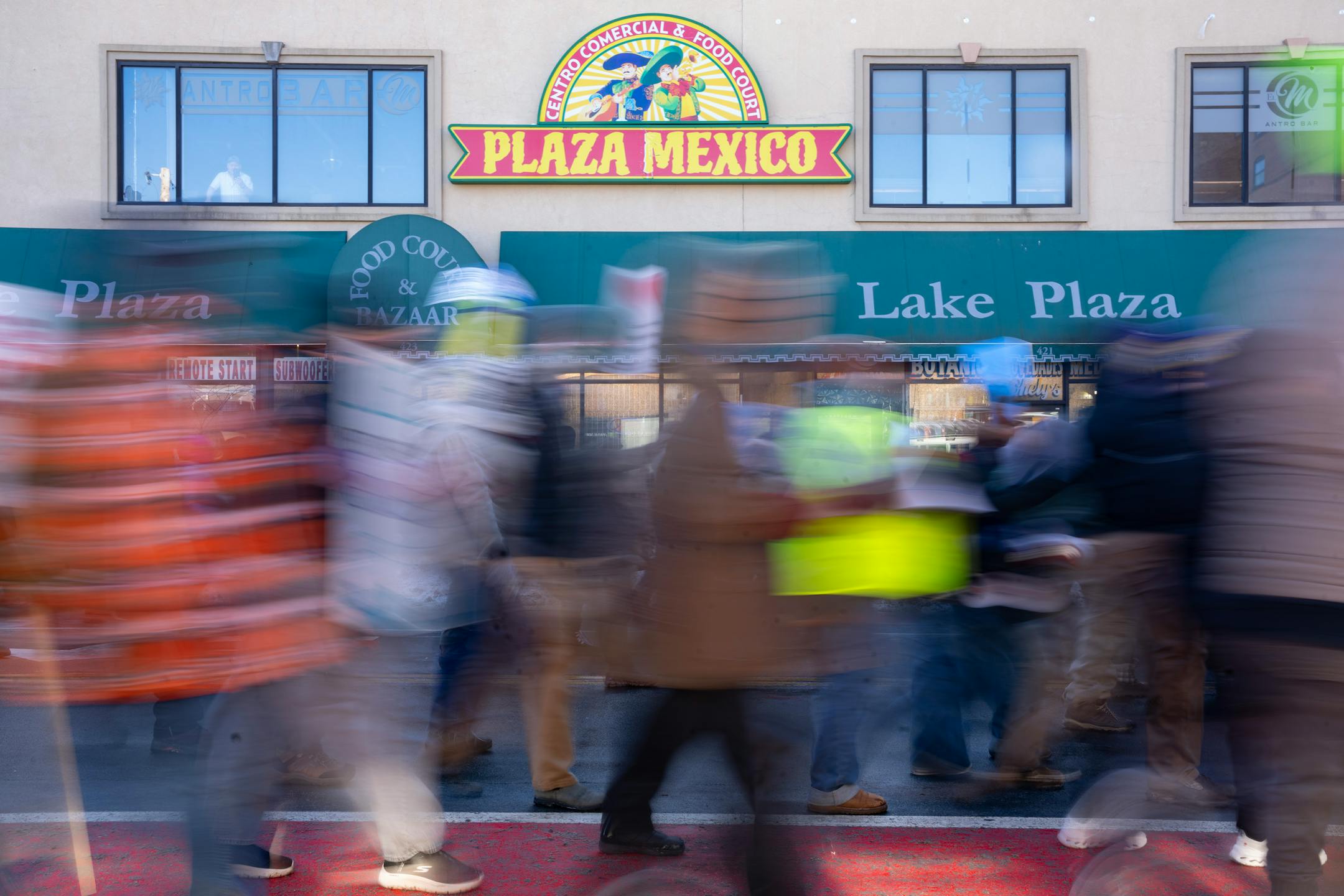
Protestors march past Plaza Mexico on Minneapolis' Lake Street during an anti-ICE protest in December. Immigrant-owned businesses said the Trump administration's crackdown has caused them to lose workers and customers. (Alex Kormann/The Minnesota Star Tribune)

Several of Minnesota’s largest companies are funding $3.5 million in grants for small businesses that are financially struggling during the federal operation in the state.

The Minneapolis Foundation announced the grants on Jan. 27 and will start distributing money in the coming weeks. The nonprofit will allocate dollars to “established community organizations with deep experience in small business support,” according to a news release.

Small businesses can use the funds to make payroll, pay rent and maintain inventory, staff and hours. Grants will focus on “areas facing the most pressing needs,” the release said.

“Small businesses and their employees are facing enormous disruptions right now, and these Minnesotans make essential contributions to our regional economy,” R.T. Rybak, president and CEO of the Minneapolis Foundation, said in a statement. “This fund is a great start for the business community to help mobilize resources to support the lives and livelihoods of our neighbors.”
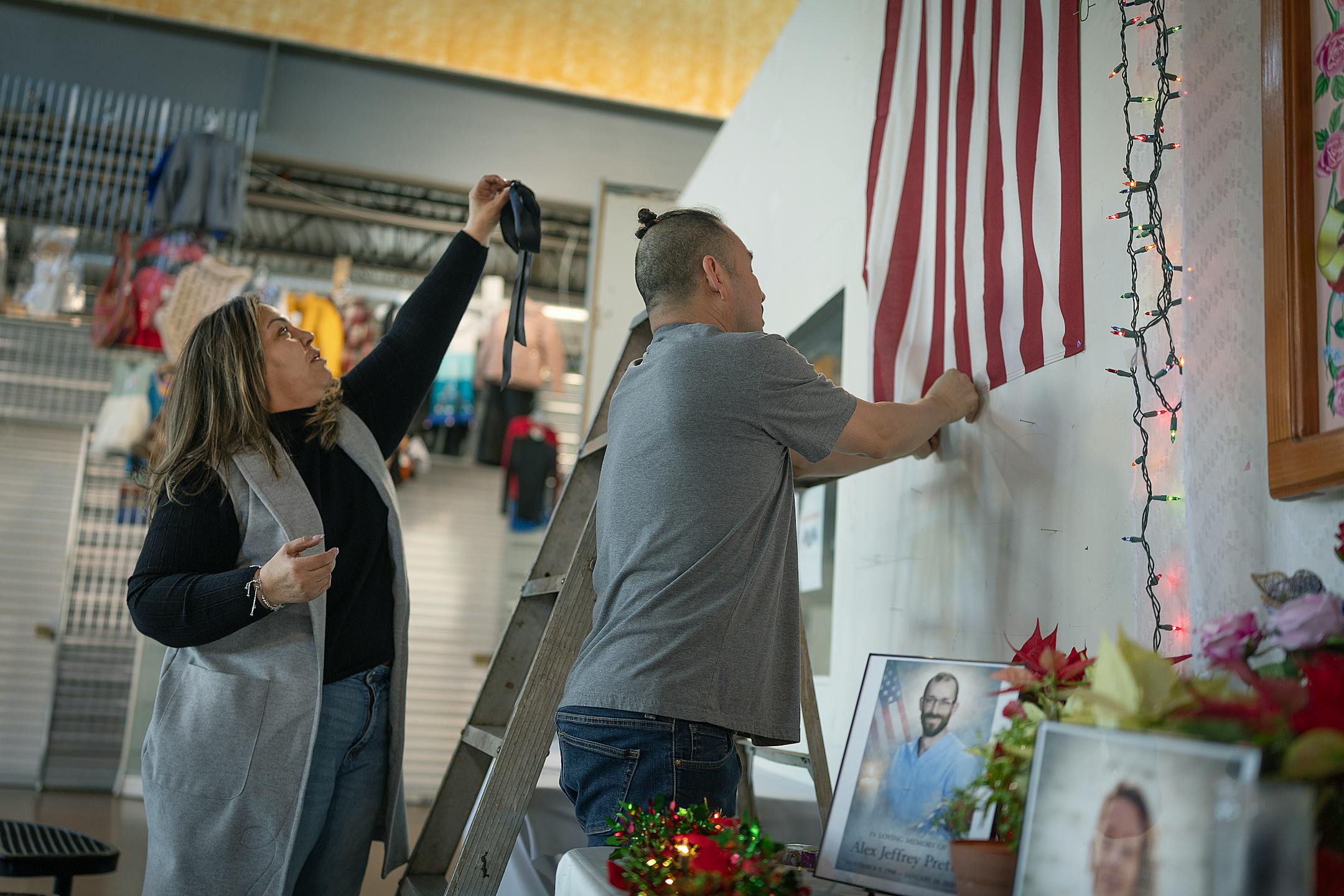
The announcement of the Economic Response Fund comes two days after more than 60 of Minnesota’s top CEOs signed a letter calling for an “immediate de-escalation” of violence in the state, hours after a federal agent shot and killed Alex Pretti.

The move marked a shift in messaging from Minnesota’s largest employers, many of whom had said little publicly about the surge of immigration officials in the state and the killing of Renee Good.

The statement drew mixed reactions from the community. Some expressed disappointment in the letter’s perceived tardiness, its neutral tone and lack of specificity. Others applauded the group’s willingness to attach their names to a letter that risked drawing harsh attacks from the White House.


The announcement of the grant initiative did not mention the immigration crackdown.

Many of the signatories to the CEO letter contributed to the grant program, which received seed funding from 28 companies. The Minneapolis Foundation is continuing to solicit donations for the effort online.

Foundation officials compared the grants to its Restore-Rebuild-Reimagine Fund, which collected and distributed $50 million to local communities and businesses in the wake of the pandemic and the murder of George Floyd in 2020.

As Minnesota — and Minneapolis in particular — again finds itself in the national spotlight for tragic killings, stories of resilience and community support have been sources of hope and calls to action for some residents and observers.

Hundreds of people flood into Karmel Mall, a retail hub for the Somali community, to patronize immigrant-owned businesses after an anti-ICE protest on Lake Street in Minneapolis last month. (Alex Kormann/The Minnesota Star Tribune)

Meet Minneapolis, the city’s convention and visitors bureau, is emphasizing those themes in a new marketing campaign, dubbed MPLS for MPLS. The campaign will promote the city’s small businesses and encourage patience and flexibility as they navigate changing conditions.

“If you want your favorite spots to be here tomorrow, continuing to choose them today matters,” Courtney Ries, Meet Minneapolis’ senior vice president of destination branding and strategy, said in a statement.

Several small business owners described facing hardships before last week’s one-day closing of businesses, a protest faith and union leaders conceived to support immigrant communities and demand Immigration and Customs Enforcement (ICE) agents leave the state.

Many considered the act a way to stand in solidarity with immigrant-owned businesses, which have seen severe drops in workers and customers for weeks due to the ICE crackdown. Some said the decision to shut down meant thousands of dollars in lost business.

The Minneapolis Foundation said initial funding for grants came from: Allianz, Allina Health, Andersen Corp., APi Group, Best Buy, Blue Cross and Blue Shield, C.H. Robinson, CHS, Delta Dental, Donaldson, Ecolab, General Mills, HealthPartners, Kraus-Anderson, Land O’Lakes, Medica, Medtronic, Mortenson, Prime Therapeutics, Securian Financial, Sleep Number, SPS Commerce, Target, Tennant Co., Thrivent, the Toro Co., U.S. Bank and Xcel Energy.

On Jan. 26, the foundation announced plans to distribute an additional $2 million to organizations providing basic needs, such as food and housing, to families harmed by the ICE surge. The nonprofit also gave $500,000 in emergency grants earlier this month to organizations working with individuals, families and neighborhoods.

about the writer

about the writer

Katie Galioto

Reporter

Katie Galioto is a business reporter for the Minnesota Star Tribune covering the Twin Cities’ downtowns.

See Moreicon

More from Small Business

See More
card image
Alex Kormann/The Minnesota Star Tribune

The nonprofit Minneapolis Foundation will distribute money to help local businesses make payroll, pay rent and cover other costs. Companies like Target, General Mills and Ecolab contributed.

card image
card image