
Experts see risks for Minnesota consumers in Allegiant’s purchase of Sun Country

From airfares to routes, MSP’s future with Allegiant is uncertain.

The Minnesota Star Tribune
January 13, 2026 at 11:00AM
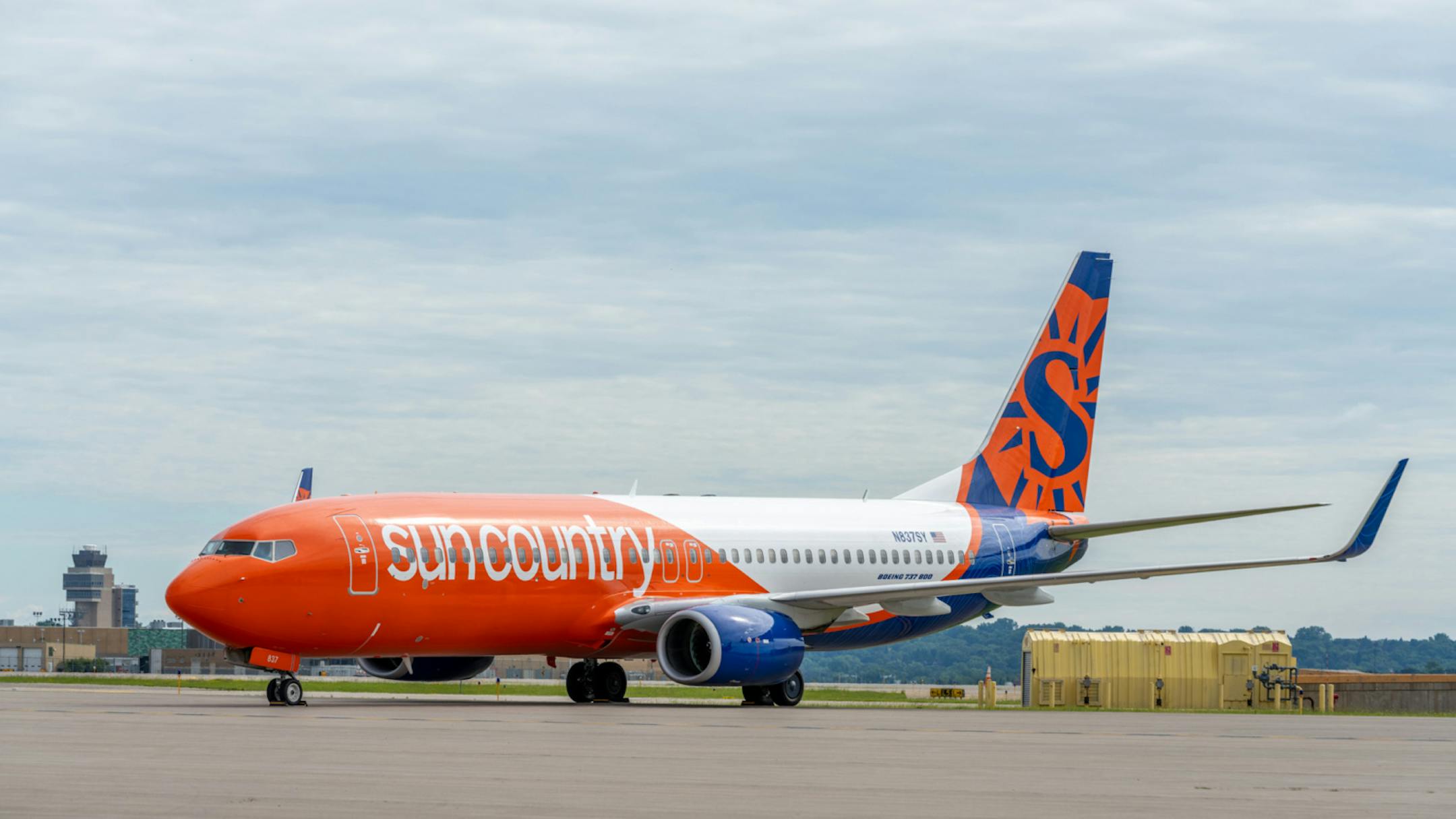
A Sun Country Airlines plane on the Minneapolis-St. Paul International Airport tarmac. (Sun Country Airlines)

Airline executives insist Allegiant Travel’s surprise proposal to purchase hometown air carrier Sun Country Airlines will be good news for Minnesotans, but skeptics say it’s too soon to tell.

Sun Country CEO Jude Bricker, on a call with investors Jan. 12, said the arrangement would be a win for Minnesota and travelers at Minneapolis-St. Paul International Airport, which would lose its last Minnesota-based airline if the $1.5 billion deal is approved.

“MSP is going to be a big beneficiary of this transaction,” Bricker said. “This is about growth. We’re going to see more seats and lower fares here in our home market.”

Travel analysts warn of potential drawbacks when the state loses its last mainline airline headquarters. Among them: Fewer local jobs, less airlines to compete on pricing, and potentially fewer routes should Allegiant eventually scale back its MSP operation.

“I’m most worried about Minneapolis flyers getting a big spike in the cost of tickets if Allegiant decides to move away as a competitor to Delta,” said Clint Henderson, of The Points Guy, a travel website. “Delta just owns Minneapolis.”

The two companies announced on Sunday, Jan. 11 that Las Vegas-based Allegiant would buy Sun Country and headquarter the combined airline in Las Vegas, led by Gregory Anderson, Allegiant’s current CEO.

The deal, subject to regulatory and shareholder approval, is expected to close in the second half of 2026. That’s when the two airlines would then begin the process of integrating, Anderson said. Completing an airline merger, he added, takes about 14 months on average. Operations would continue as Allegiant and Sun Country seek a combined operating certificate from the Federal Aviation Administration (FAA).

Analysts clearly see Allegiant is gaining in the deal, but were surprised by the bargain price.

Under the part-stock, part-cash purchase, Allegiant promised to acquire shares of Sun Country at a nearly 20% premium over the closing share prices on Jan. 9. The price paid for the Minnesota company could easily have been higher, Evercore’s Duane Pfennigwerth wrote in an investor update.

Allegiant “is getting a bargain, in our view,” Pfennigwerth said.

MSP is Sun Country’s home operating base and hub of its 120-route network. Bricker, who will join Allegiant’s board at the deal’s close, said Sun Country’s passenger airplanes are “maxed out” in capacity at MSP, limiting the company’s growth options.

Executives at Sun Country have pointed to constraints with buying airplanes because of production delays at Boeing, as well as hiring crews, as top challenges. Last year much of its sustained profits came from a partnership flying cargo for e-commerce giant Amazon.

Bricker said combining with Allegiant’s larger network will enable the low-cost carrier to more efficiently use its gates at Terminal 2, where Sun Country flies the second-most passengers at MSP. Delta Air Lines is by far the airport’s dominant carrier.

Allegiant and Sun Country executives said the combination of the loyalty card programs and access to a wider route network would also benefit Minnesotans. The two carriers together offer 650 routes, and only one route between Allegiant and Sun Country is a duplicate.

Allegiant, the larger of the two companies, is slated to scale up its operations in buying Sun Country’s airplanes and hiring on the crews that run them.

Sun Country employs about 3,200 people, most of whom live in Minnesota. About 1,900 work in unionized frontline positions, including pilots, flight attendants and technicians.

How many Sun Country corporate jobs survive the merger remains to be seen. Allegiant and Sun Country have pledged to maintain a strong presence at MSP.

Peter Frosch, CEO of Greater MSP, said Allegiant’s acquisition of Sun Country is a demonstration of the hometown airline’s innovative business model. Though a headquarters leaving for any reason is never attractive, he said the move could benefit Minnesota travelers and local quality of life if more routes indeed become available.

He said he hopes Allegiant continue to invest in the airport, “one of the greatest assets that we have” in the Twin Cities.

In a Jan. 12 statement, Metropolitan Airports Commission (MAC) CEO Brian Ryks said Sun Country’s success has been a great benefit to the state’s economy. MAC, he said, looks forward to speaking with company leaders about “how MSP can continue to play a vital role in growing the airline’s flights, operations and jobs.”

Investors reacted positively to news of the acquisition. Sun Country’s stock rose 10% in Monday trading.

about the writer

about the writer

Bill Lukitsch

Reporter

Bill Lukitsch is a business reporter for the Star Tribune.

See Moreicon

More from Business

See More
card image
Jerry Holt/The Minnesota Star Tribune

Prior to the basketball star, Twin Cities auto dealer and convicted fraudster Denny Hecker had lived in the home.