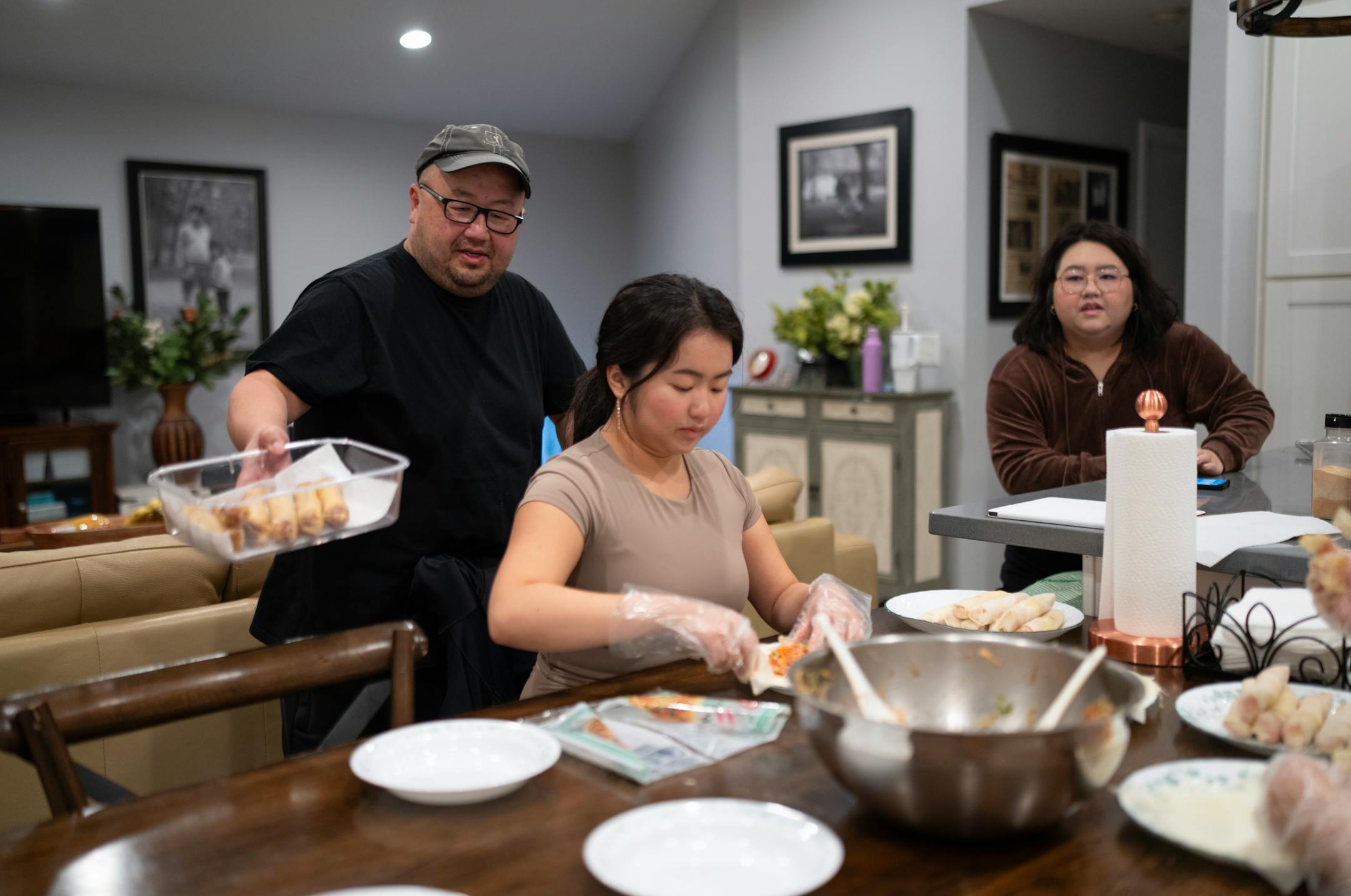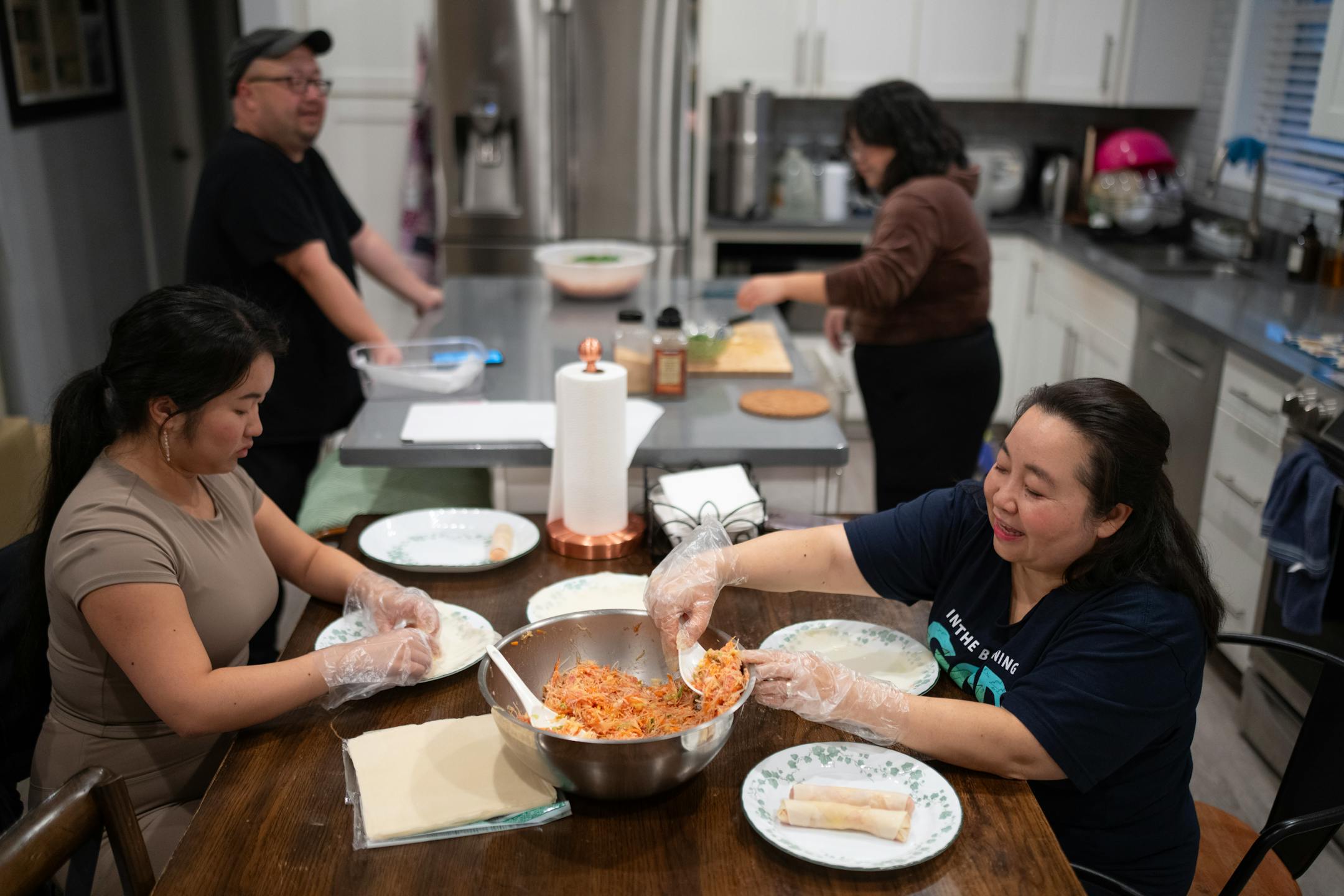

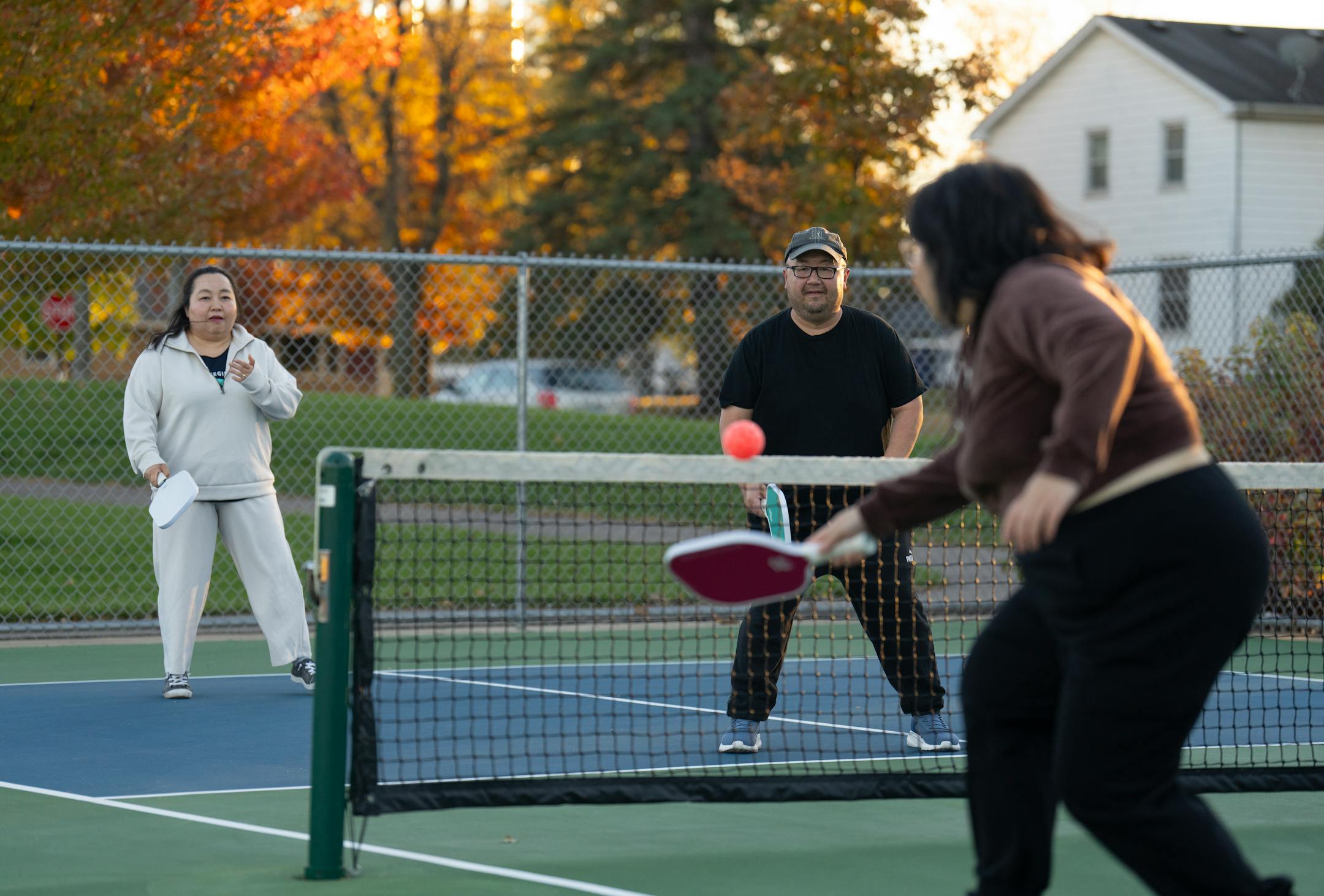
If you ever meet Bill Hawj at a party, there’s a good chance his ice-breaker is better than yours. The 49-year-old Uber driver from Roseville might tell you that he was the first Hmong baby born in Minnesota.
The Hawj family is proud of all that their community has produced, from an Olympic champion gymnast in Suni Lee to the newest mayor of St. Paul, Kaohly Her. Hmong American writers like Kao Kalia Yang have enriched Minnesota’s literary canon. Chefs Diane Moua and Yia Vang have invigorated our culinary landscape.
“It’s not just what they do, politically or economically, but they’ve stimulated the imagination of American society,” said Mai Na Lee, a history professor at the University of Minnesota.
But somebody had to be the first. It took one family to chart a course that helped change our state’s trajectory.
“I’m very proud of what my folks were able to accomplish — to bring us here, survive here and then raise us,” said Touvi Her, now 52, who lives with his wife and two grown daughters in Coon Rapids. “I’m proud because I have a beautiful family. I don’t have a lot of worries nowadays.”
How they got here
Touvi was too young to retain any memories of fleeing Laos at the end of the Vietnam War. The Hmong had been crucial allies of the U.S. government, fighting alongside the CIA and rescuing downed American pilots in what has become known as the Secret War in Laos.
But the Hmong’s alliance with the U.S. would cost them. After Laos fell to the Communists in 1975, members of this ethnic minority were targeted for reprisals. While the U.S. government accepted Vietnamese and Cambodians, it initially refused to open its doors to the Hmong, deeming them “too primitive” to survive here.
Lee Pao Xiong, founding director of the Center for Hmong Studies at Concordia University in St. Paul, said aid workers in the refugee camps thought of the Hmong as “the rednecks of Laos.”