Advertisement

Despite paying a premium for assisted living, seniors say they aren’t getting promised care

Families and advocates are calling on the Minnesota Legislature to make assisted living facilities provide the services they pay for.

The Minnesota Star Tribune
February 26, 2026 at 11:30AM
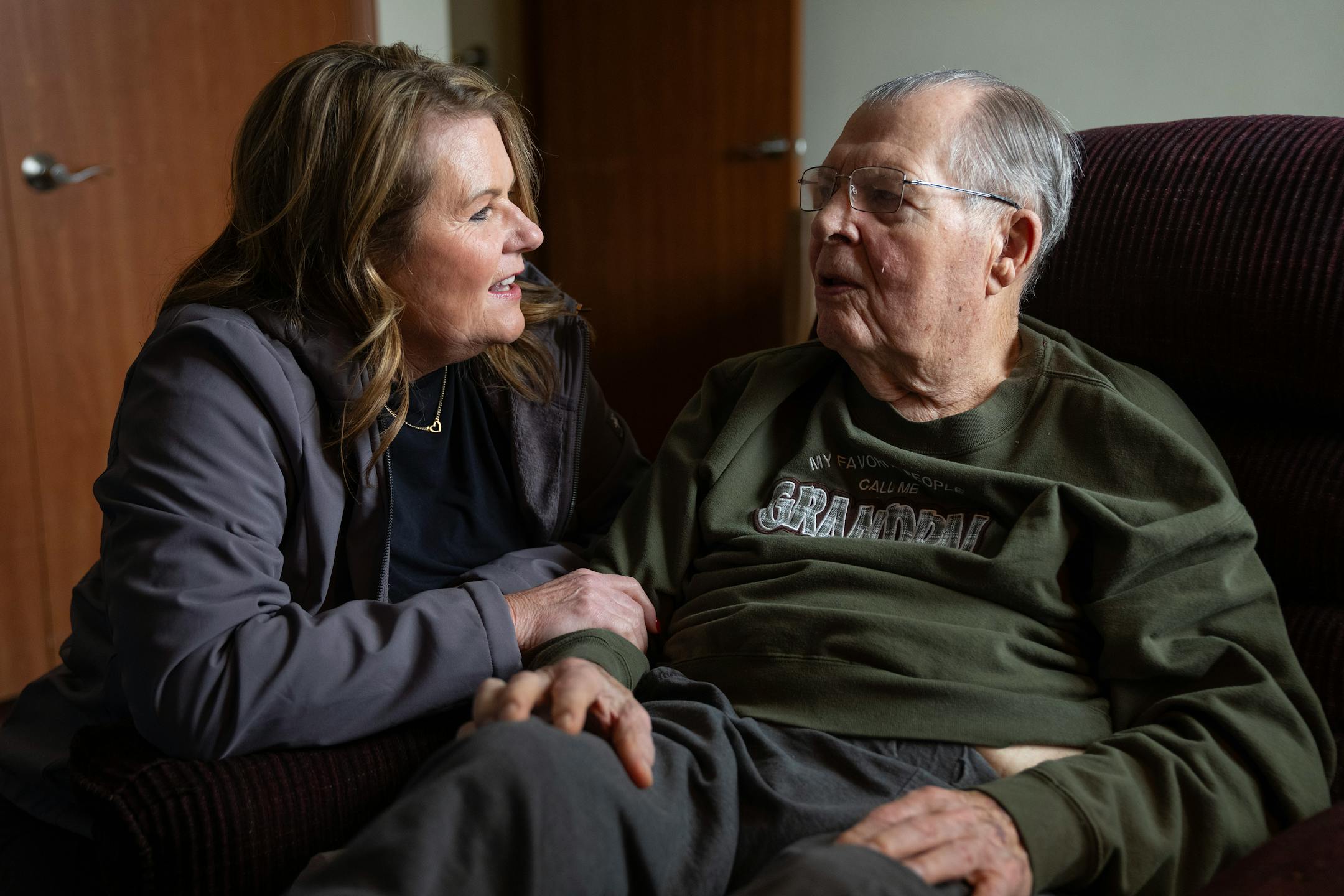
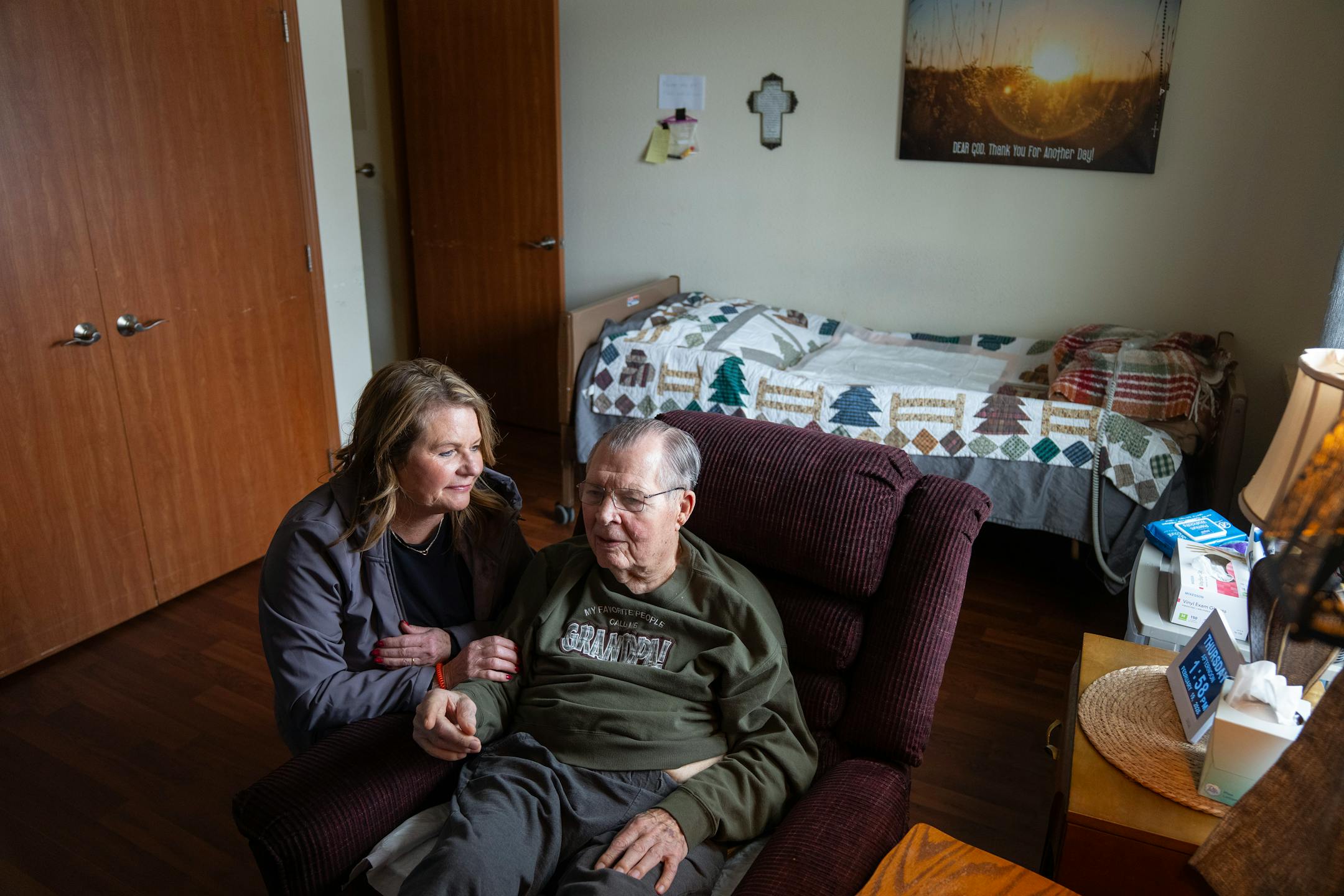
Laura Degree watches the Olympics with her father, Richard Thomalla, as she visits him at Polar Ridge Senior Living in North St. Paul on Feb. 19. Thomalla lives in a memory care unit at the assisted living center. Degree says she pays more than $12,000 a month for attentive and compassionate care but often her father is neglected and left on the floor after falls, covered in soiled clothes after missed trips to the toilet and parked for hours in his wheelchair long after he was supposed to be in bed. (Alex Kormann/The Minnesota Star Tribune)
Advertisement

Richard Thomalla’s room in a memory care unit in North St. Paul costs more than $12,000 a month, his daughter Laura Degree said.

For that, she expected he would receive the compassionate, attentive and quality care promised on the facility’s website and in Thomalla’s care plan. But, she said, it’s not even close.

Since December 2024, when Degree installed a camera in her dad’s room, she said she’s chronicled a growing list of instances of inattention, from staff not changing her father’s soiled clothes for hours to leaving him stranded in his wheelchair into the wee hours of the night. Even his frequent falls attracted slow and scant responses from the workers tasked with delivering his care, she said.

And yet, despite repeated phone calls, frequent emails and a bunch of meetings checking in on his care, Degree said nothing has changed.

“I just want my dad taken care of. That’s all I want,” she said. “But they make excuses, excuses, excuses.”

As more Minnesota seniors choose assisted living facilities over nursing homes, advocates and state officials say the gap between what’s promised by facilities and what’s delivered now fuels most of the complaints they hear from families, especially from those in memory care. So much so, they’re urging the Legislature this year to dramatically increase oversight and accountability for assisted living facilities.
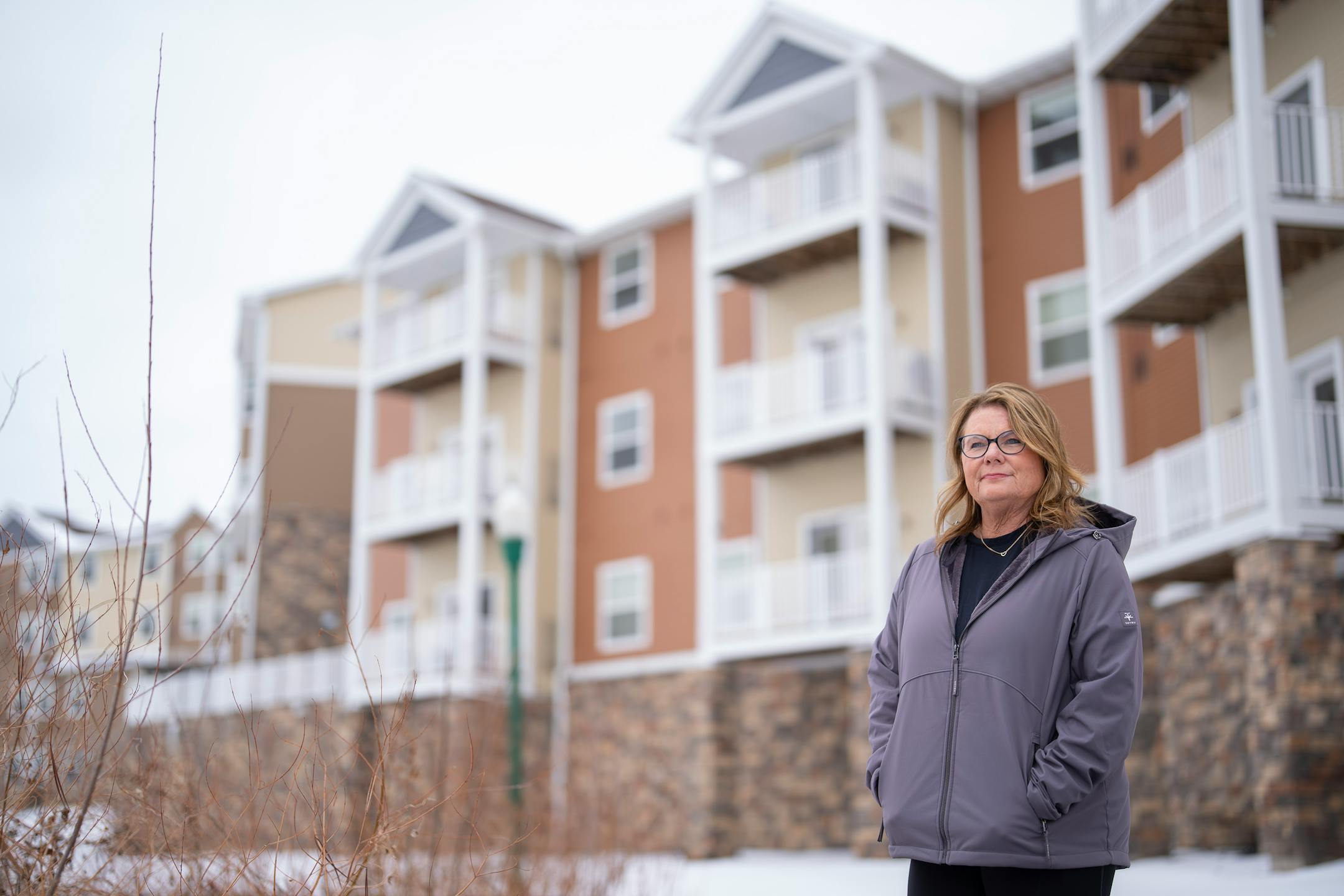
“I just want my dad taken care of. That’s all I want. But they make excuses, excuses, excuses," Laura Degree said about her father's living conditions at Polar Ridge Senior Living in North St. Paul. (Alex Kormann/The Minnesota Star Tribune)

“Paying for services that are never delivered is not just a complaint we hear — it is the complaint we hear most often," Kristine Sundberg, executive director of Elder Voice Advocates, said in an email to the Minnesota Star Tribune. “The solution is straightforward. We need clear, enforceable mandates on staffing levels, care standards and training requirements, backed by meaningful penalties when residents are harmed.”

Sundberg said for-profit providers such as St. Louis Park-based Lifespark Senior Living, which owns and operates more than 40 facilities in the Twin Cities, including Polar Ridge Senior Living where Thomalla lives, are especially notorious because they put maximizing profits over quality resident care.

Advertisement

It’s an accusation Lifespark leaders reject.

“The client and family situation you shared is unfortunate because it’s a unique experience and not what’s common within our communities,” Matt Kinne, Lifespark’s chief operating officer, said in an email.

While he said he cannot share additional details about Thomalla’s case without his permission, Kinne said, “we take this and every client’s concern or complaint seriously and are currently working closely with this family and the [state] ombudsman to align around the resident’s goals. We will continue to listen, learn, and do whatever we can to improve our client and family experience.”

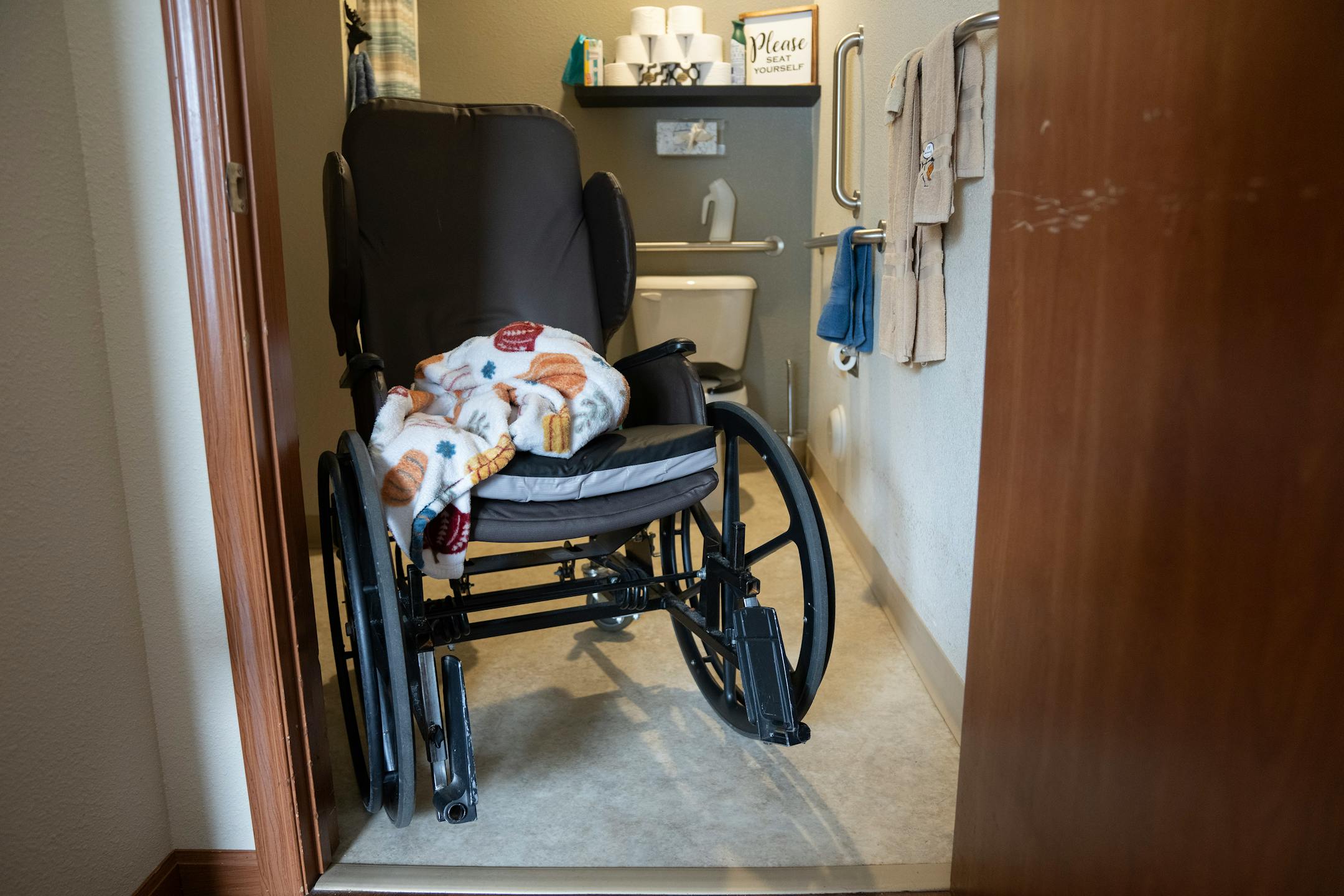
Richard Thomalla’s wheelchair sits in his room at Polar Ridge Senior Living in North St. Paul. (Alex Kormann/The Minnesota Star Tribune)

Opting out of nursing homes

For years, nursing homes were where seniors went after their health began to decline. Now, assisted living facilities are Minnesotans’ top choice for long-term care.

Started in the 1980s as an option for seniors seeking a more homelike setting for their golden years, assisted living facilities now have about 64,000 beds in Minnesota. By contrast, nursing homes have 24,000 beds and are declining. But that also means assisted living facilities are housing more residents with challenging medical needs, such as dementia, while operating under fewer medical staffing requirements than nursing homes.

Senior advocates say that has contributed to spotty care and even deaths.

Advertisement

In 2025, researcher and Elder Voice former board member Eilon Caspi’s analysis of state records showed at least 16 deaths at assisted living facilities due to staff or facility negligence. There were 26 in 2023 and 2024, he said.

The root of that negligence, Sundberg said, is facilities cutting costs by cutting staff and, as a result, skipping services they’re supposed to provide.

“The for-profit operators are notoriously prone to this tactic,” she said.

Minnesota began licensing and monitoring assisted living facilities in 2021. Since then, there have been thousands of complaints filed each year — including 11,577 in 2023 and 11,310 in 2024.

People not getting the services they’ve paid for is at the top of the list, said Parichay Rudina, legislative specialist for the state Ombudsman for Long-Term Care.

“We’re hearing the same version of events over and over again,” she said. “Also, the billing is very opaque, and people don’t know exactly what they’re paying for.”

Advertisement

She urged families to carefully review bills each month and call her office or their legislators if they have concerns.

A call from a constituent a couple years ago prompted state Rep. Kelly Moller, DFL-Shoreview, to start taking a harder look at assisted living contracts. The constituent said that, after a new company took over their parent’s assisted living facility, it stopped providing all the services in the resident’s contract.

“And they increased the cost of the services they may not have been providing,” she said.

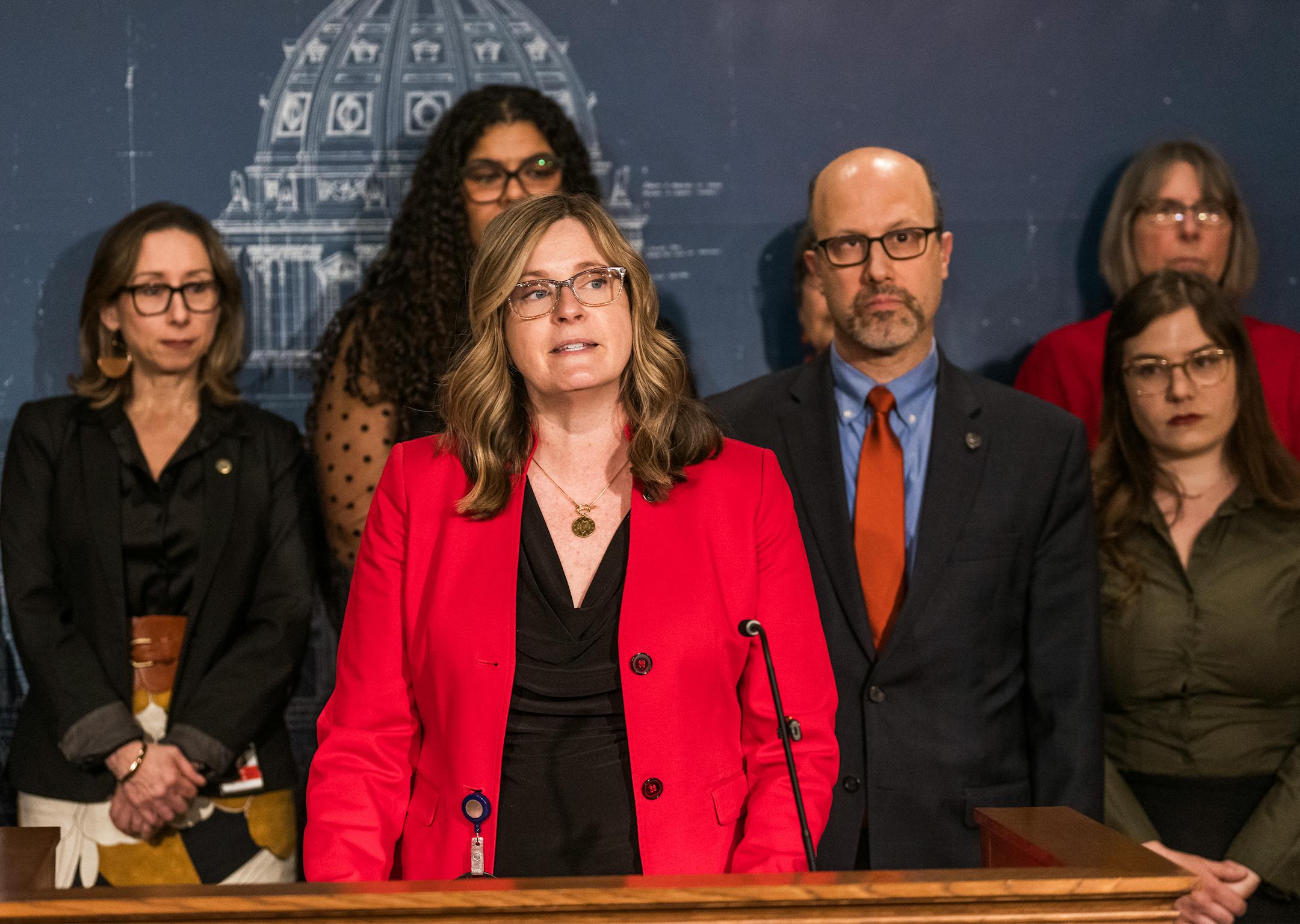
Rep. Kelly Moller, DFL-Shoreview, center, took a harder look at assisted living contracts after a call from a constituent. (Richard Tsong-Taatariii/The Minnesota Star Tribune)

The Legislature passed a requirement last session that facilities honor existing contracts after ownership changes. Other requirements include giving new residents with a list of complaints, protection orders and fines against them for the past three years.

And a bill introduced this session by state Rep. Liz Reyer, DFL-Eagan, requires attorney general review and approval before venture capital companies can buy or assume control of long-term care facilities.

Video of assisted living facilities

Video has helped families better understand what their loved ones are experiencing, advocates say. Minnesota started allowing cameras in assisted living facilities in 2019. And video evidence can and has helped families at least get refunds for services they can prove were not performed, attorney Suzanne Scheller said.

Advertisement

But even with video, it can still be difficult to prove breach of contract or facility negligence, she said.

“Families ask ‘How do I get them to do what they say they’re going to do?’” Scheller said. “They’re stuck, and it creates a really tense dynamic.”

Degree installed a camera in her father’s room in December 2024. Almost immediately, she said, she could see how little care her father was actually receiving.

Yet, despite having video and taking copious notes detailing what aides were and were not doing for her father, Degree said she hasn’t seen an improvement in his care.

“What more can I do?” She said of her dad, who is now in hospice. “The good news to me is that I’m not alone. The sad thing is this keeps happening.”

Laura Degree greets her father, Richard Thomalla, as she arrives to visit him at Polar Ridge Senior Living in North St. Paul. (Alex Kormann/The Minnesota Star Tribune)

Sonia Neameyer put three cameras into her mother’s room in the memory care unit at Urbana Place Senior Living in Brooklyn Park — another Lifespark facility.

Her mother lived there from February 2024 to June 2025, she said, and during that time the cameras showed that staff did very little of what they claimed to deliver in her mother’s care plan.

She said video showed a heightened risk of infection, as aides did not wash their hands between services such as toileting and oral care. It raised safety concerns, she said, as residents were left unsupervised during mealtimes and in common areas, increasing the risks of choking or falling. And it showed staff routinely skipping toileting services, leaving residents to sit in soiled undergarments for hours at a time.

Neameyer has since moved her mother to a much smaller facility in St. Paul. “It’s been a night-and-day difference,” she said.

Degree, too, said she’s ready to move her dad.

“I’ve given up,” she said. “Nothing’s going to change.”

about the writer

about the writer

James Walsh

Reporter

James Walsh is a reporter covering social services, focusing on issues involving disability, accessibility and aging. He has had myriad assignments over nearly 35 years at the Star Tribune, including federal courts, St. Paul neighborhoods and St. Paul schools.

See Moreicon

More from News & Politics

See More
card image
Sherburne County Sheriff's Office

Ryan Gary Obermoller was charged with two felony counts of theft in connection with siphoning funds from Dylan’s Hope Foundation.

card image
Advertisement