How to get Minnesota seniors to take the threat of falls seriously? Perhaps a doctor’s note.

Minnesota has the second-highest rate in the nation for deadly senior falls. Could new community programs and doctor referrals to fall prevention classes help?

The Minnesota Star Tribune
August 21, 2025 at 6:06PM
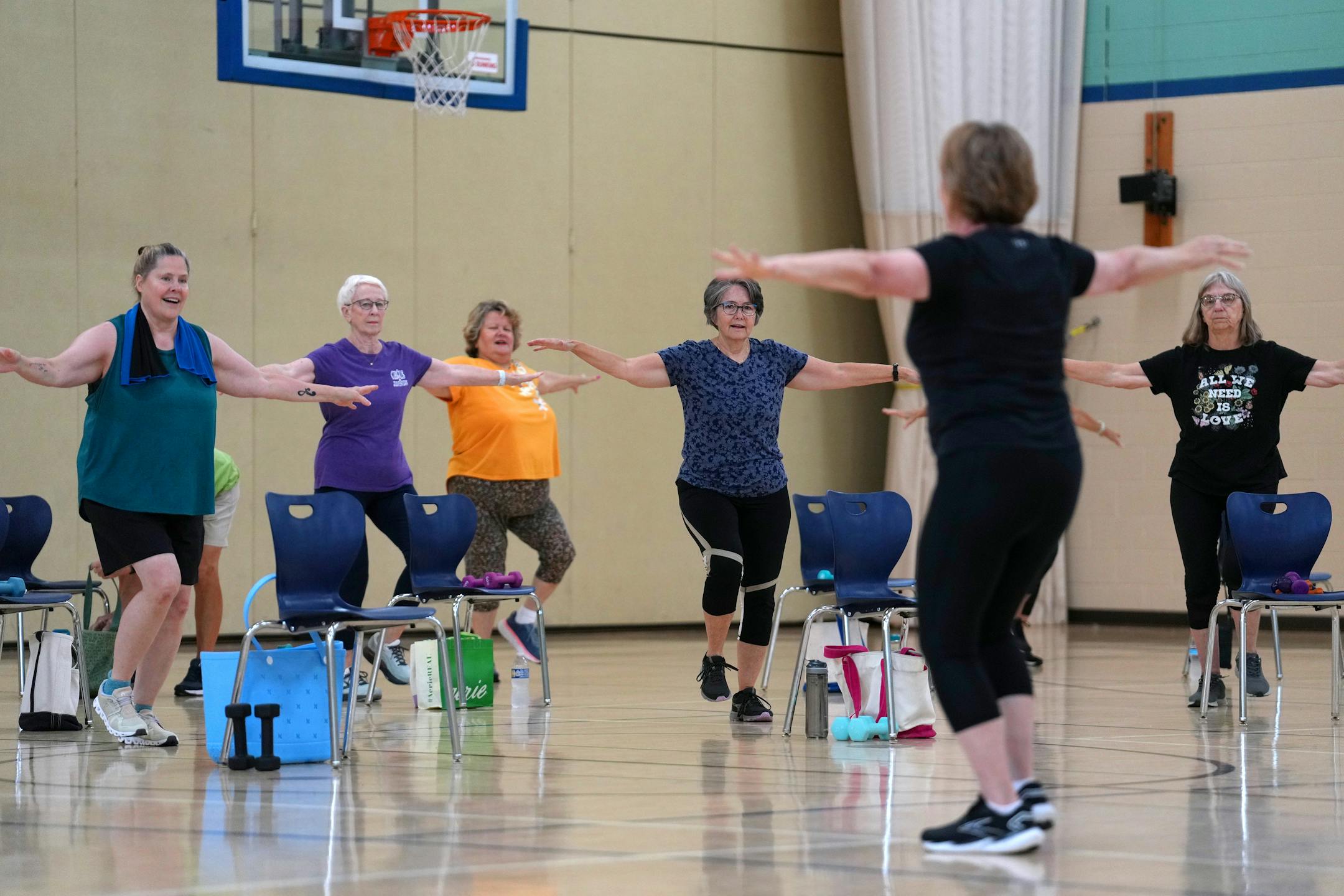
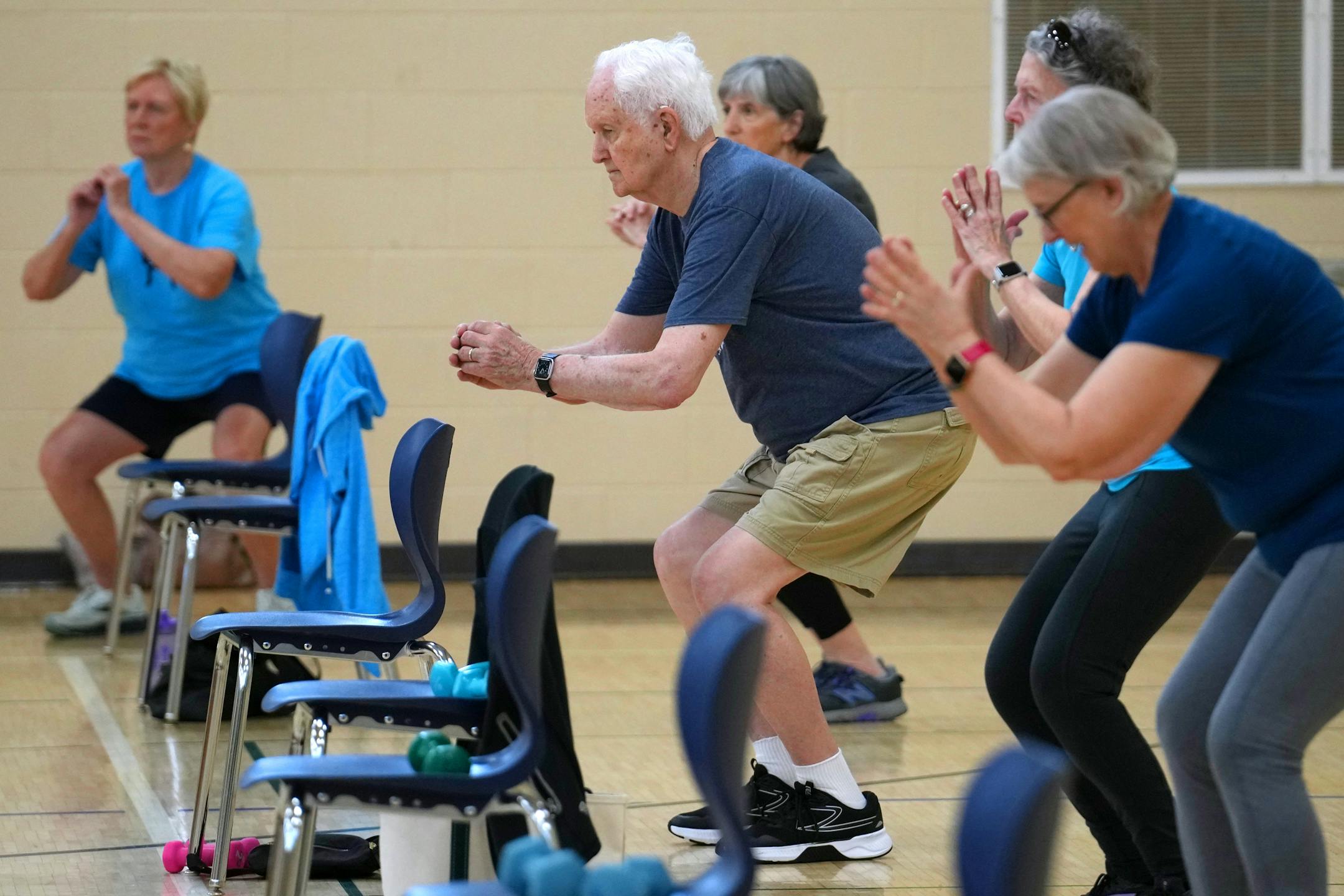
Jack Looft, center, takes part in a 55+ Fit For Life class July 29 at the Chanhassen Recreation Center. (Anthony Souffle/The Minnesota Star Tribune)

On any given Sunday, there are about 50 to 60 folks age 65 and older in the pews at the Grove United Methodist Church in Woodbury, said Carolyn Winslow, director of Caring Ministries.

Then she started noticing the empty seats.

“We had a number of people who’ve had falls and trips to the hospital,” Winslow said. “And sometimes they don’t come home.”

Minnesota has the second-highest rate in the nation for deadly falls of people age 65 and older — after Wisconsin. But while fitness and fall prevention classes would help reduce the state’s fall fatalities, not enough seniors are showing up, some providers say.

Kelly Nygard owns a Live 2 B Healthy franchise that provides fitness classes to seniors in Washington, Chisago and Dakota counties. But getting seniors to join classes has proved difficult, she said, and if they don’t use her programs, she can’t keep offering them.

“I have had a number of conversations about how slow this is, and it does get frustrating,“ said Nygard, who will start offering strength and balance classes at the Woodbury church in October. ”But we have passionate people, which you need to get it done, because there are a lot of barriers.”

While there are areas with robust participation, experts say low numbers elsewhere can be due to a number of factors, including people being put off by the idea of exercise classes or being afraid of falling in class.

One way to get more seniors into fitness? A note from their doctor.

A new pilot project from HealthPartners and Trellis, the Twin Cities area agency on aging, which provides services to metro-area seniors, will begin screening seniors for their risk for falls, said Mary Gray, HealthPartners director of Rehabilitation Services. Those rated the highest risk will soon get automatic referrals to physical therapy and occupational therapy, she said.

Fewer than 2% of senior patients are referred to therapy, Gray said. But project officials expect the automated system to bump that up to around 20%.

“Our goal is to try to get that number up higher of course,” she said. We’d love to get it to closer to 40%."

Group fitness instructor Kaye Benson leads a 55+ Fit For Life class July 29 at the Chanhassen Recreation Center. (Anthony Souffle/The Minnesota Star Tribune)

How to prevent fatal falls

Minnesota’s fatal falls are increasing. More than 160 Minnesotans per 100,000 age 65 and older died from falls in 2024, according to provisional data from the U.S. Centers for Disease Control. In 2021, the number was nearly 142, up from 100 deaths per 100,000 in 2012.

The deadly trend is likely to continue as the state’s population ages. More Minnesotans are turning 65 in the two decades from 2010 to 2030 than the previous four decades combined. By 2030, 1 in 4 Minnesotans will be 65 or older.

Research has shown that increases in physical inactivity and social isolation contribute to a higher risk of falling.

Reena Shetty, executive director of the Minnesota Board on Aging, said fitness programs must include social connections for increasingly isolated seniors.

“It’s got to be more than doing exercises,” Shetty said. “There’s a lot of loneliness and isolation [across the state]. It’s really about empowering social connections.”

Making connections is integral to the program at Community Thread in Stillwater, which has offered senior programs for 50 years. Community Thread has 250 senior members, said Rachel Presslein, director of community engagement. And in 2024, the program saw more than 400 visitors.

Volunteer drivers shuttle members to a number of social activities, as well as classes about aging in place and other events. If seniors sign up for something and don’t show, Presslein said, somebody follows up with a phone call.

“Fitness is only a piece of what we do,” she said. “The key is making it more than any one thing.”

Getting more seniors in fitness classes

Gretchen Carlson, the adult enrichment coordinator for the South Washington County Schools, has worked in community education for 30 years, the past five with people age 50 and older. The district offers fitness classes four days a week and is adding tai chi this fall.

A variety of approaches is needed to coax more participation, Carlson said. It’s a time of life with major changes, and fitness can get lost in the shuffle.

“Sometimes, it might be an invitation from a friend to come and do it. Sometimes, it’s a doctor recommending it,” she said. “It has to be multipronged. Wellness is multifaceted, right? Being in community, we are influenced by one another.”

For Nygard, the key is partnerships with community education classes, churches and senior service providers across the Twin Cities. She said she needs at least 15 participants in a class to make it financially worth it to pay a trainer.

Dr. Julie Switzer, an orthopedic surgeon at HealthPartners who specializes in geriatric orthopedics, said she’s referred patients to fall prevention for most of her career.

Automatic referrals are a “great strategy,” she said. She refers about 90% of her patients for follow-up falls prevention. When she asks people what would get them to enroll in such classes, she said, “a recommendation from their physician has the greatest weight.”

She, too, is hopeful that a combination of medical referrals and community-based programs will turn the tide.

“I think we can leverage better our work with community partners, who have boots on the ground,” Switzer said.

about the writer

about the writer

James Walsh

Reporter

James Walsh is a reporter covering social services, focusing on issues involving disability, accessibility and aging. He has had myriad assignments over nearly 35 years at the Star Tribune, including federal courts, St. Paul neighborhoods and St. Paul schools.

See Moreicon