

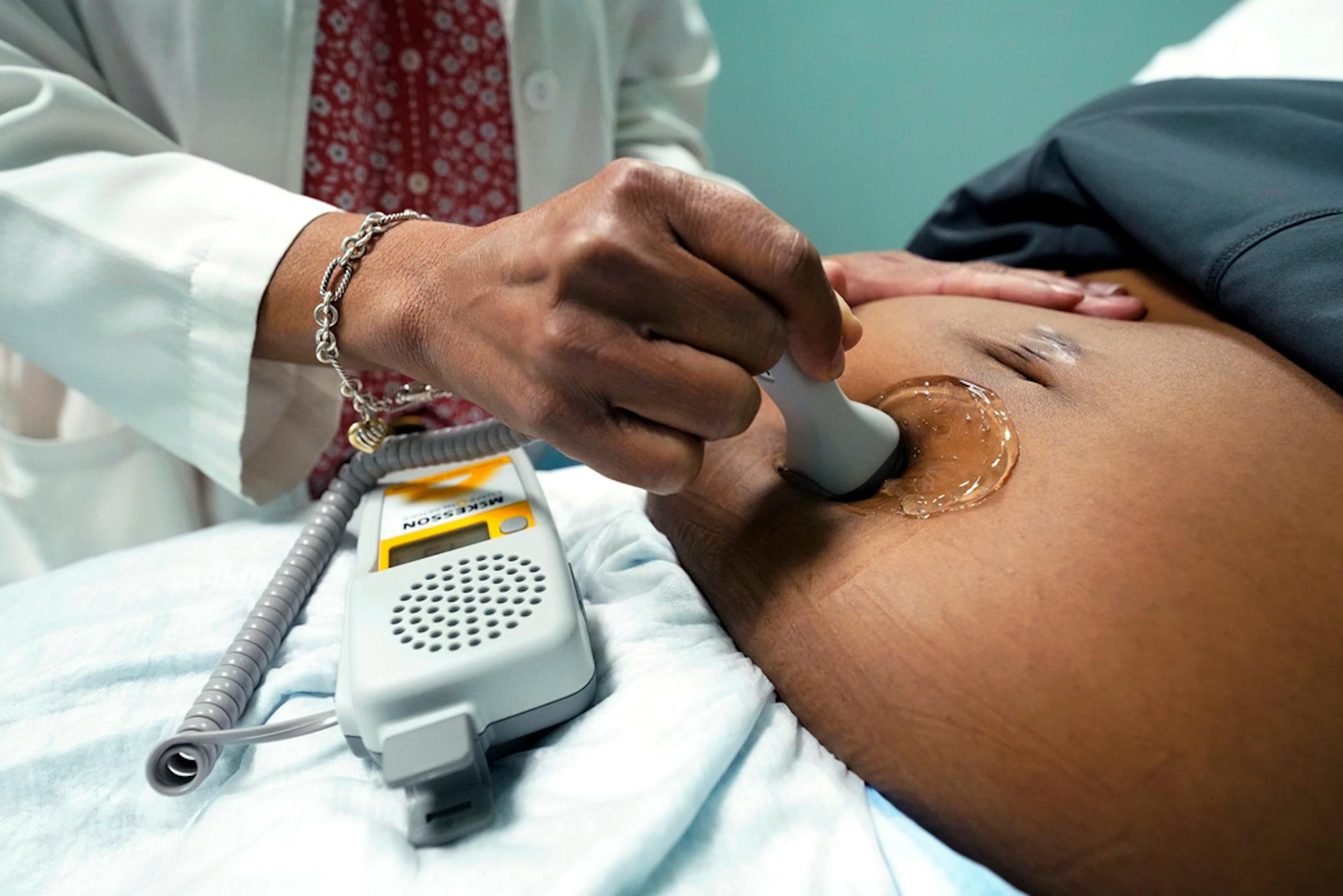
Children born to mothers infected with COVID-19 during pregnancy faced a higher risk of autism, along with other neurological differences such as delays in speech and motor development, according to a study published Thursday.
The analysis of more than 18,100 births in Massachusetts, published in the journal Obstetrics and Gynecology, is among the largest studies to date examining children born to women who contracted the virus starting in the early months of the pandemic through some of 2021, before vaccines were widely available.
The study’s authors emphasized that, as an observational study, the findings do not prove that COVID-19 causes the conditions diagnosed in children, but rather signal an association between maternal infection and these outcomes. And the risk of such a diagnosis, even while elevated for women, remains extremely low, said Andrea G. Edlow, a physician scientist at Mass General Hospital and an associate professor of obstetrics and gynecology at Harvard Medical School.
“It’s not that every pregnant woman with COVID-19 in pregnancy needs to think that her child is going to have autism,” Edlow, a co-author, said. “Overall, the absolute risk is not extremely high.”
Public health experts say the findings underscore the importance of COVID-19 vaccination during pregnancy, noting that protecting expectant mothers helps safeguard both their health and that of their babies. The results come at a time when coronavirus vaccination rates have declined.
This spring, Health Secretary Robert F. Kennedy Jr. — a longtime vaccine skeptic — announced that the Centers for Disease Control and Prevention would no longer recommend the coronavirus vaccine for healthy pregnant women, prompting widespread criticism from public health experts. The American College of Obstetricians and Gynecologists continues to recommend vaccination, and federal officials now say all Americans regardless of risk factors should consult a medical provider about getting a coronavirus vaccine.
The Trump administration has intensified its scrutiny of coronavirus vaccine policies while promoting claims that taking Tylenol during pregnancy may increase the risk of autism. There are currently no scientific studies that show acetaminophen during pregnancy causes autism, according to many medical experts, who warn that fevers mothers experience during pregnancy can also be harmful.
Mary Ann Comunale, an associate professor at Drexel University’s College of Medicine, said the study offers important evidence-based information for discussion between a clinician and their patient.


