Natalie Slinger’s growing family could use a bigger house and a second car. Right now, both feel out of reach.
Slinger and her husband already have one child in day care, which costs as much as their mortgage. They rarely eat out and limit their travel to camping. Their second child, due this fall, will rely on hand-me-downs.
“The cost of things is very omnipresent for us,” said Slinger, 29, of St. Paul.
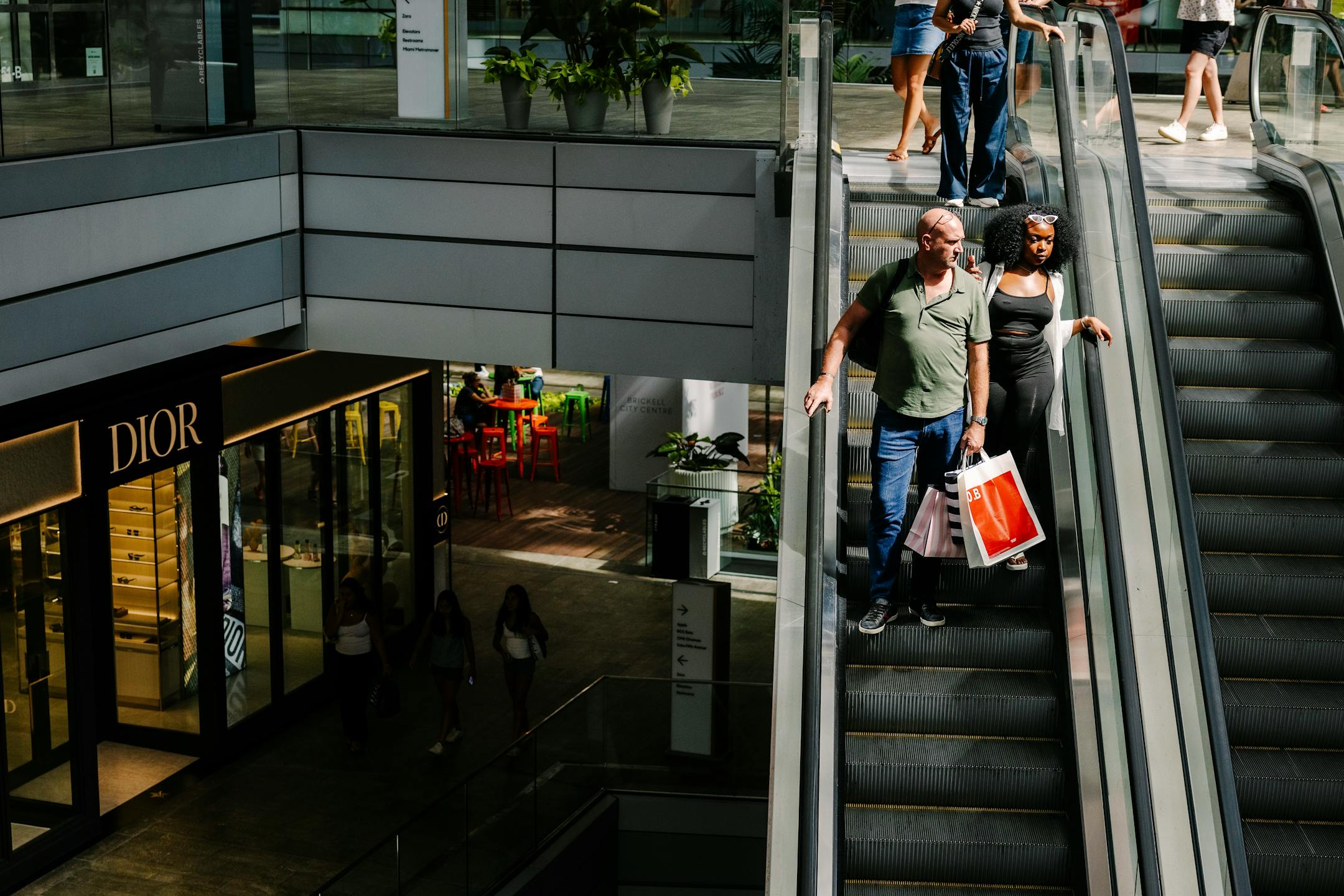
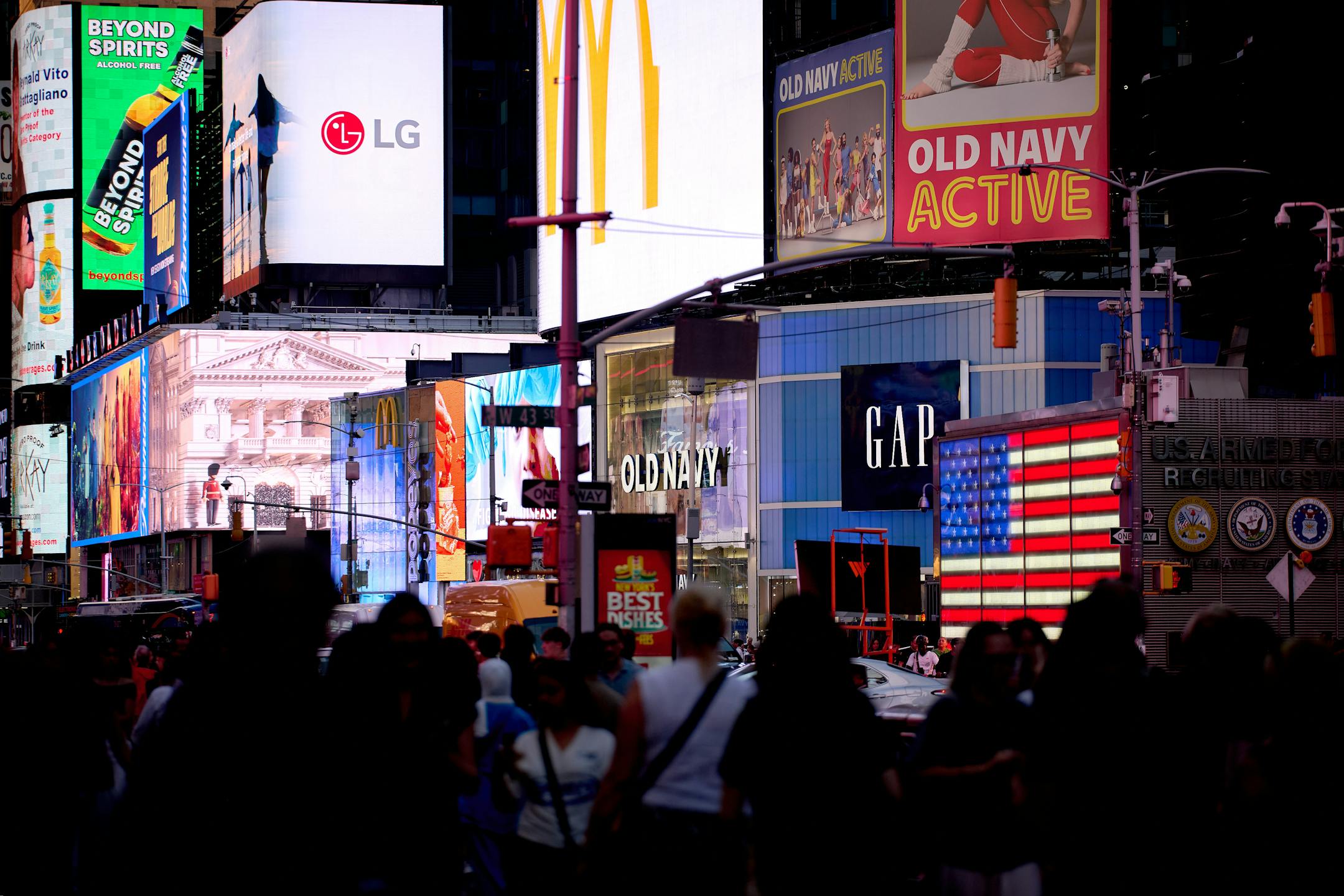
Today, consumers are not just saying they’re worried about the economy — they’re acting like it. From slowing auto sales to declines in leisure air travel, consumer spending barely budged in June, rising just 0.3% after staying flat in May.
American consumers are pulling back on spending as the effects of tariffs — like the slowing job market and rising inflation — begin to show. It’s a shift from a few years ago, when higher inflation sparked consumer concern but a strong labor market, government stimulus and pent-up pandemic demand kept people spending.
“When there are big changes in the economy, you generally see consumer sentiment and spending move together,” said Nancy Vanden Houten, lead U.S. economist at Oxford Economics.
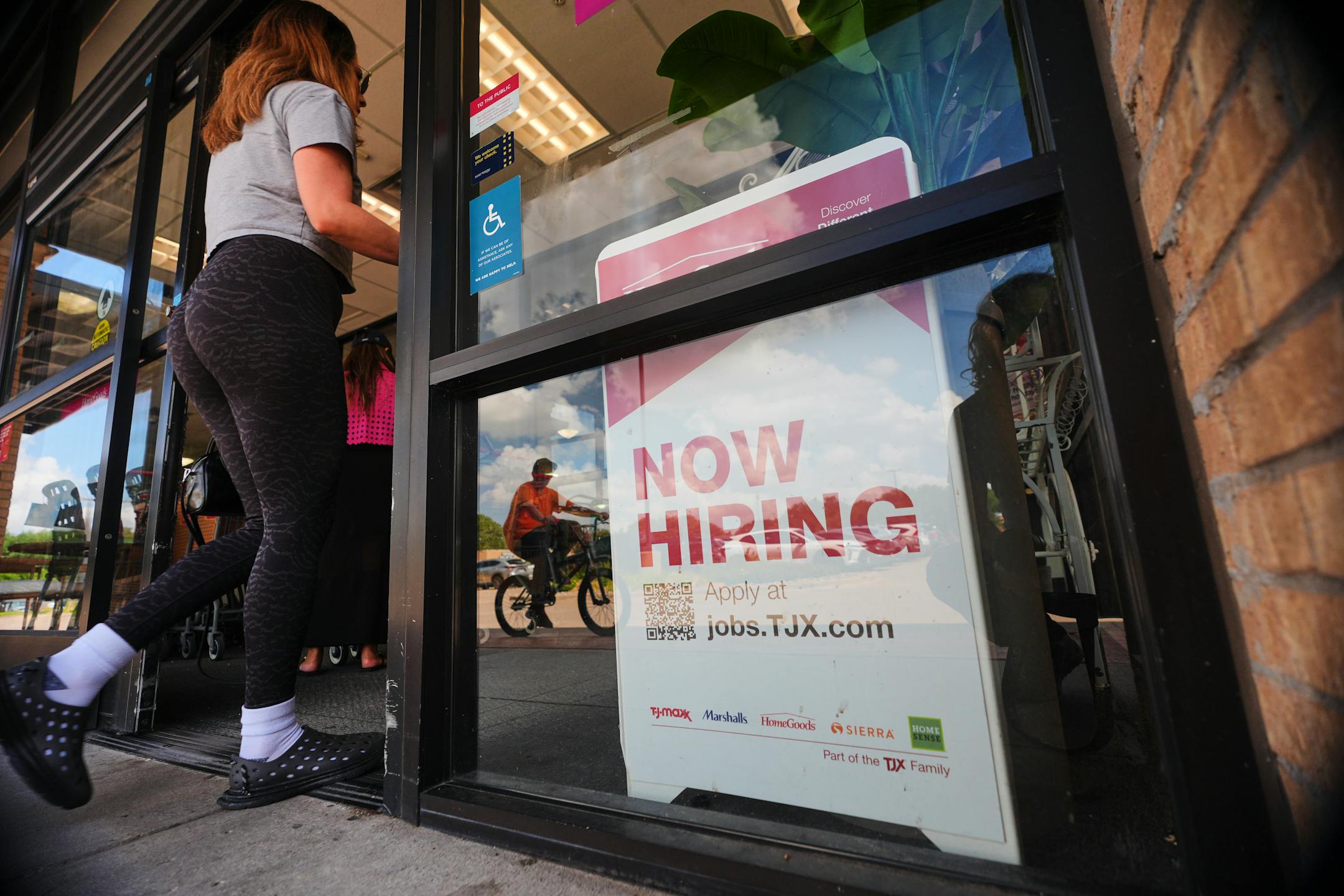
On Friday, a weaker-than-expected July jobs report showed the U.S. added about 73,000 jobs last month and about 100,000 over the past three — growth “that is not consistent with a growing workforce,” said David Royal, chief financial and investment officer at Thrivent.
The report, which included big downward revisions to the May and June jobs numbers, prompted President Donald Trump to claim without evidence that the report was “rigged” and fire the commissioner of the Bureau of Labor Statistics, the independent agency that produces data the public and private sectors rely on.