Rash: Minneapolis eats up the Arrows Awards, honoring the sharpest British advertising

Not everything is funny; public service announcements, in particular, build out of “an undeniable truth.”

Columnist Icon
The Minnesota Star Tribune
November 29, 2025 at 11:00AM
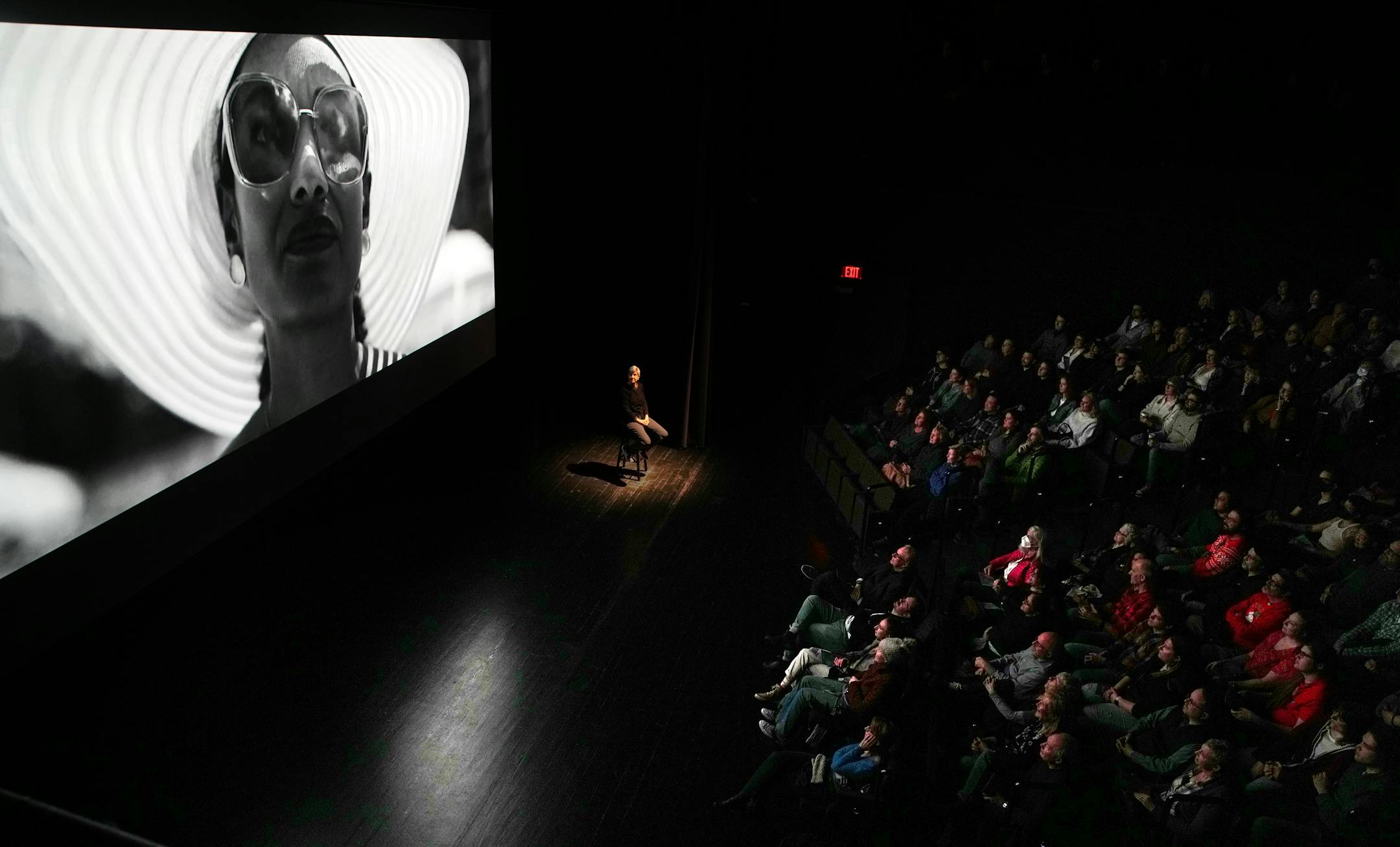
Patrons sit for a showing of the British Arrows Awards, the best television ads of the year in the U.K., on Dec. 16, 2023, at the Walker Art Center in Minneapolis. (Anthony Soufflé/The Minnesota Star Tribune)

Opinion editor’s note: Strib Voices publishes a mix of commentary online and in print each day. To contribute, click here.

•••

In a now hallowed holiday tradition, the British Arrows Awards, honoring the best of U.K. advertising, began its annual run at the Walker Art Center on Friday. Through Jan. 3, 2026, capacity crowds will watch a 47-spot, 73-minute reel of really creative messaging.

Its popularity is “a source of wonder,” said Simon Cooper, the British Arrows Awards board chair.

Speaking from London, Cooper added that he’s “absolutely delighted that it continues to hold the level of fascination that it does for Minneapolis.” Noting our “extreme” cold and that the Arrows are “the hottest ticket in town,” Cooper concurred on how cool the adverts, as they’re called in the U.K., can be.

“There’s still something that’s very entertaining” about the “quirky, humorous, unexpected advertising,” continued Cooper. Including, this year, a familiar face: Anthony Edwards, the Timberwolves superstar who’s in three Adidas ads made by Brits for American audiences.

There are scores of other sports-related spots, including an intense one for Formula 1 racing from Mercedes-Benz, as well as a pair for two bouts held in Saudi Arabia, with one presenting extensive (and borderline exploitive) boxer back stories. Others involve soccer, which is almost a religion in Britain (and congregants accordingly sing a hymn praising their revered Arsenal squad in a spot for retailer Aires).

Sports “commands big budgets and good creative” in large part because of its outsized audiences (similar to the NFL phenomenon in this country), Cooper said, and also because of an erosion in other ad categories. As an example, he noted that “the great stalwarts of advertising of previous decades, like automotive and alcohol, are particularly poor at the moment.”

And in fact there does seems to be a dearth (if not a death) of such spots on this year’s compilation, with one notable exception: Volkswagen’s ad about a real British man’s search for his father’s stolen VW microbus — which, when kids, they called “the big car” — that held strong, emotional memories of bonds built during road trips.

The “big car” commercial is part of a bigger trend of ads humanizing mechanisms amid ever-increasing concern about existing technology, let alone existential dread over the advent of AI. (It’s also notable that it’s not about a present model but a seminal vehicle from VW’s past.)

So Vodaphone’s smart spot about smartphones, using Christmas as a backdrop to the 40-year evolution of mobile calling, highlights how phones can connect, not isolate, us. As does an ad from Three, a British mobile network, about a “Midnight Mums’ Club” sharing their harrowing nights with newborns.

The British ability to craft such clever messages, however, isn’t limited to companies’ commercials: The compilation, in fact, suggests the opposite is true, with public service announcements for several entities among the most piercing Arrows in this year’s reel.

One, for instance, has a dad pretending he and his daughter are traveling in space in order to relieve her, however temporarily, of their grim reality of being unsheltered. “Love alone can’t protect a child from homelessness,” reads the on-screen words from the charity called Shelter. “But your donations can help.”

Help for others — and for some suicidal people, themselves — is the subject of another highly emotional message from CALM (the Campaign Against Living Miserably) that shows interspersed interstitials of people contemplating ending their lives. The heaviness makes it hard to watch, but its excellence compels. And not looking away is the point. “Stopping suicide starts with all of us,” the ending graphic states. “Play your part in preventing it.”

The unblinking camera and unflinching messages may startle some in the U.S. used to soft treatment of such topics. Not in the U.K., Cooper said, which is a “very demanding audience for authenticity. I think that’s what drives the industry here, is you just can’t soften people — people aren’t interested in being bullshitted.”

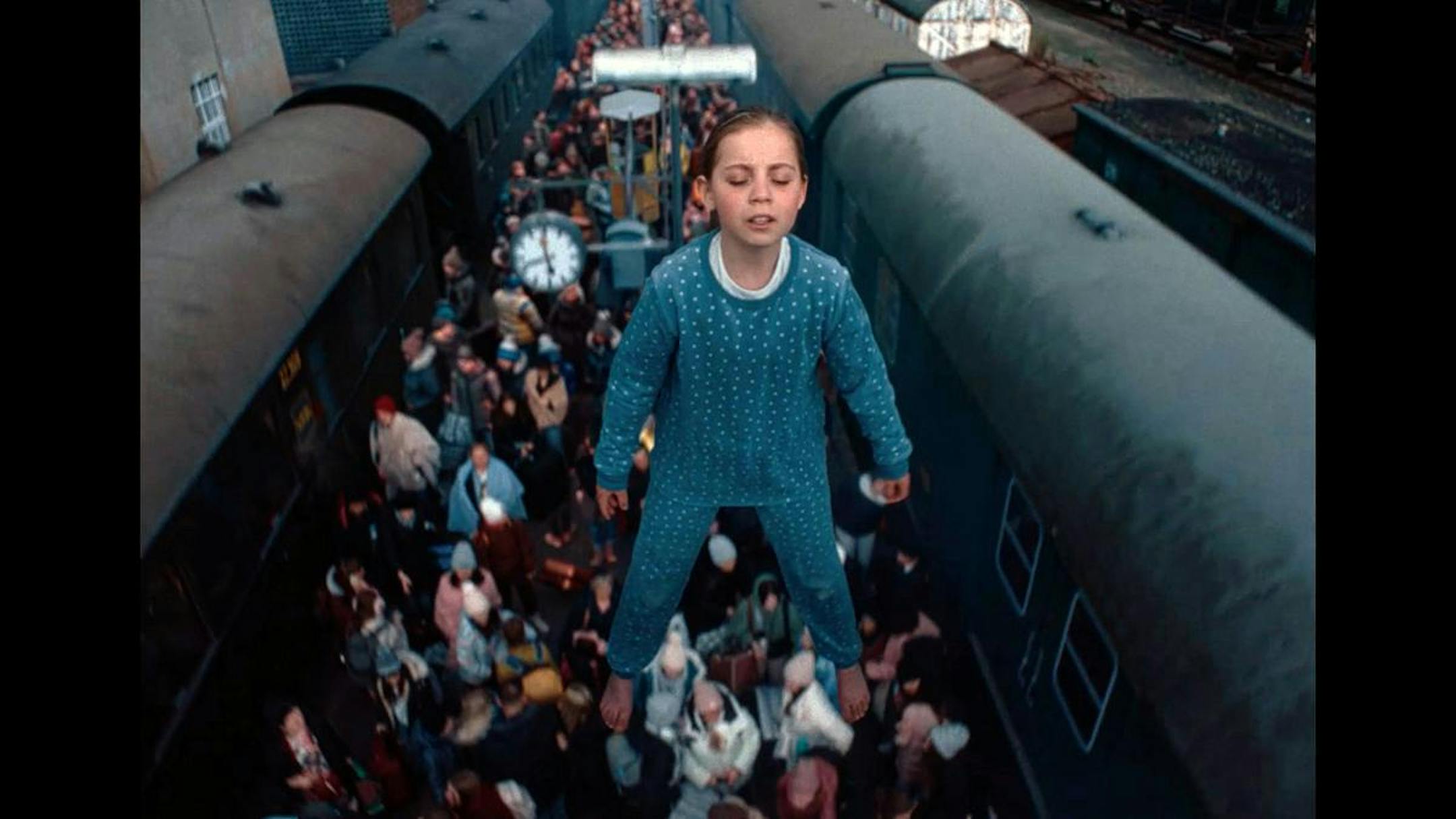
And they certainly aren’t, in two non-English PSAs. One, in Ukrainian, has subtitles, but the language of love and loss of a family torn by war is universal. It’s from the charity Voices of Children. It’s a nearly seven-minute message (a mini movie, almost) that begins with these words: “The sky shall be free of bombs for those who dream.”

A film still from Voices of Children made for Filmacademy by Filmakademie Baden.
A still from the Voices of Children PSA. (British Arrows)

Lika, the child at the center of the story, tells her sister, who along with her mom are shown shuttling between bomb shelters, of her dreams of flight, including to her father fighting on the front lines. And in an extraordinary montage she’s shown doing just that. “Children around the world are affected by war and dream of being reunited with their loved ones,” the poignant, powerful ad ends.

Russian President Vladimir Putin, the indicted war criminal responsible for this catastrophe, is the unwitting subject of another stunning PSA from Reporters Without Borders. Scenes of pensive Russians around radios and TVs show them listening intently to Putin’s first speech as president in 2000. With flowery rhetoric hiding his poison ivy intentions, he optimistically promises a “modern democratic state” and commends “common goals” of a “free, prosperous, rich, civilized, strong” country that “its citizens can be proud of and is respected in the world.”

The ad is in Russian, with English subtitles, and the subtext is made clear by this ending stark statement from Reporters Without Borders: “The loss of freedom is never obvious at first. Trust the free press. Not pretty words.”

Weaponizing the words of Russia’s ruthless ruler will strike Arrows attendees, just as it did Cooper, who said: “To build something out from that undeniable truth at the center of it kind of freezes the blood.”

Presented with such profundity, however, is characteristic British wit, including a figurative (and literal, since it’s from Specsavers Opticians) sight gag about needing new glasses that’s short in length (ten seconds) but long on laughs.

Especially in a full theater, which will usually be the case in the coming month. “It’s so very, very gratifying that the Arrows has the reception that it does in Minneapolis,” said Cooper, who’s finishing his three-year term as board chair. “Long may it continue. And long may those long, cold nights.”

about the writer

about the writer

John Rash

Editorial Columnist

John Rash is an editorial writer and columnist. His Rash Report column analyzes media and politics, and his focus on foreign policy has taken him on international reporting trips to China, Japan, Rwanda, Kazakhstan, Turkey, Lithuania, Kuwait and Canada.

See Moreicon