


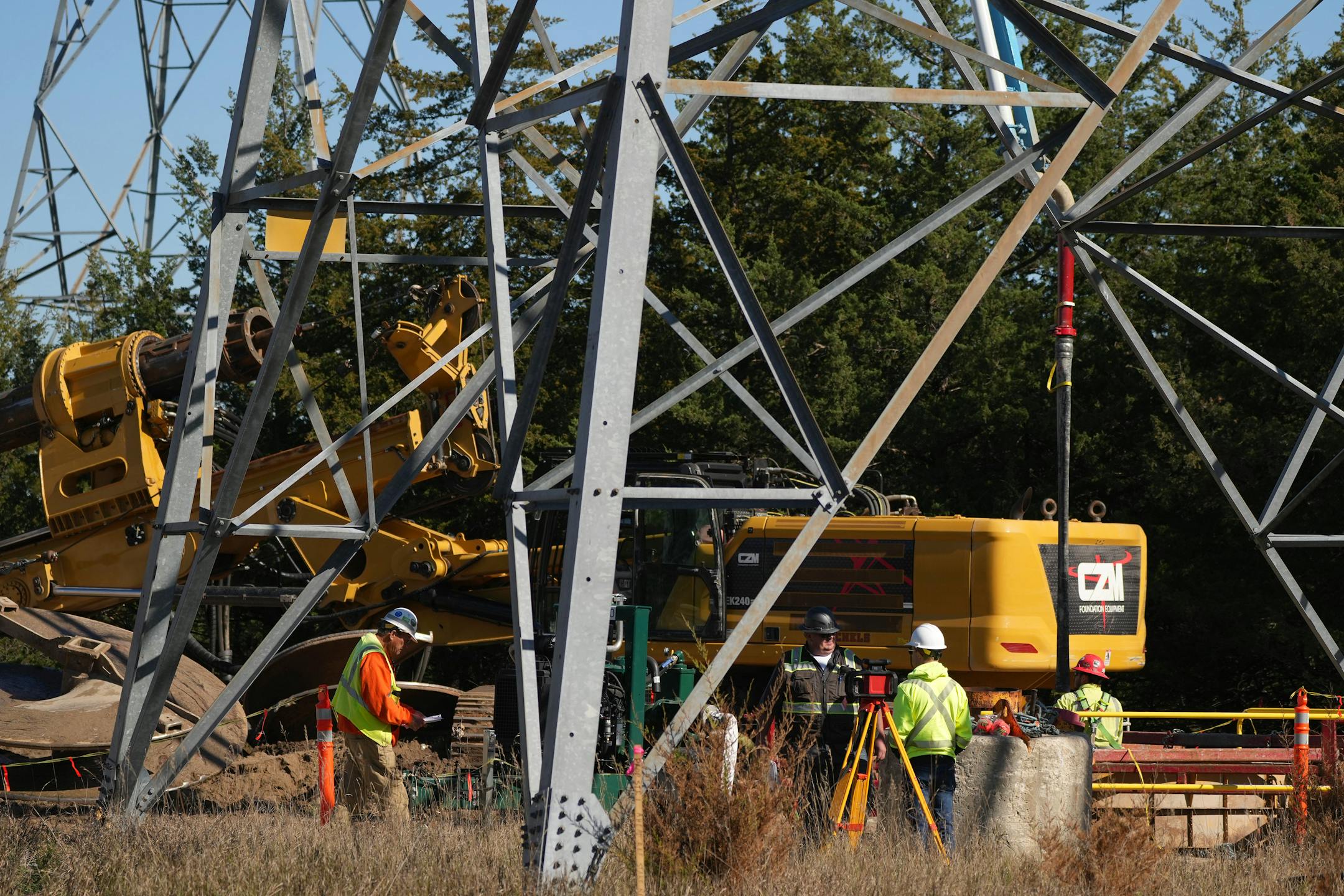
North Dakota, Montana and three Southern states want to block a $22 billion plan for power lines across the Midwest that Minnesota says it needs to transition to carbon-free energy.
The states argue that the federal government should stop the grid upgrade to keep their customers from paying higher rates to subsidize clean energy projects in other states.
Xcel Energy, Minnesota’s largest electric utility, called the North Dakota complaint “utterly meritless.” Xcel and other Minnesota utilities argue the transmission projects are needed for a reliable grid as coal plants are retired and new AI data centers, electric vehicles and appliances cause a surge in demand.
The fight is the latest example of how basic grid infrastructure has become a partisan battleground at a pivotal moment for the U.S. energy system. As local energy priorities diverge, it’s straining the cooperation that’s essential for a regional grid that connects 15 states and Canada’s Manitoba province.
The intervention of Louisiana, Mississippi and Arkansas in the case particularly irked Minnesota’s top energy regulators.
“I don’t get involved in how they regulate in their states,” said Joe Sullivan, a Democrat who is vice chair of the Minnesota Public Utilities Commission. “Because it doesn’t affect me. Why are they messing around with our economic future?”
If the complaint led by North Dakota is successful, Minnesota “will be poorer and less economically vibrant,” Sullivan said. “It’s an economic attack on Minnesota.”
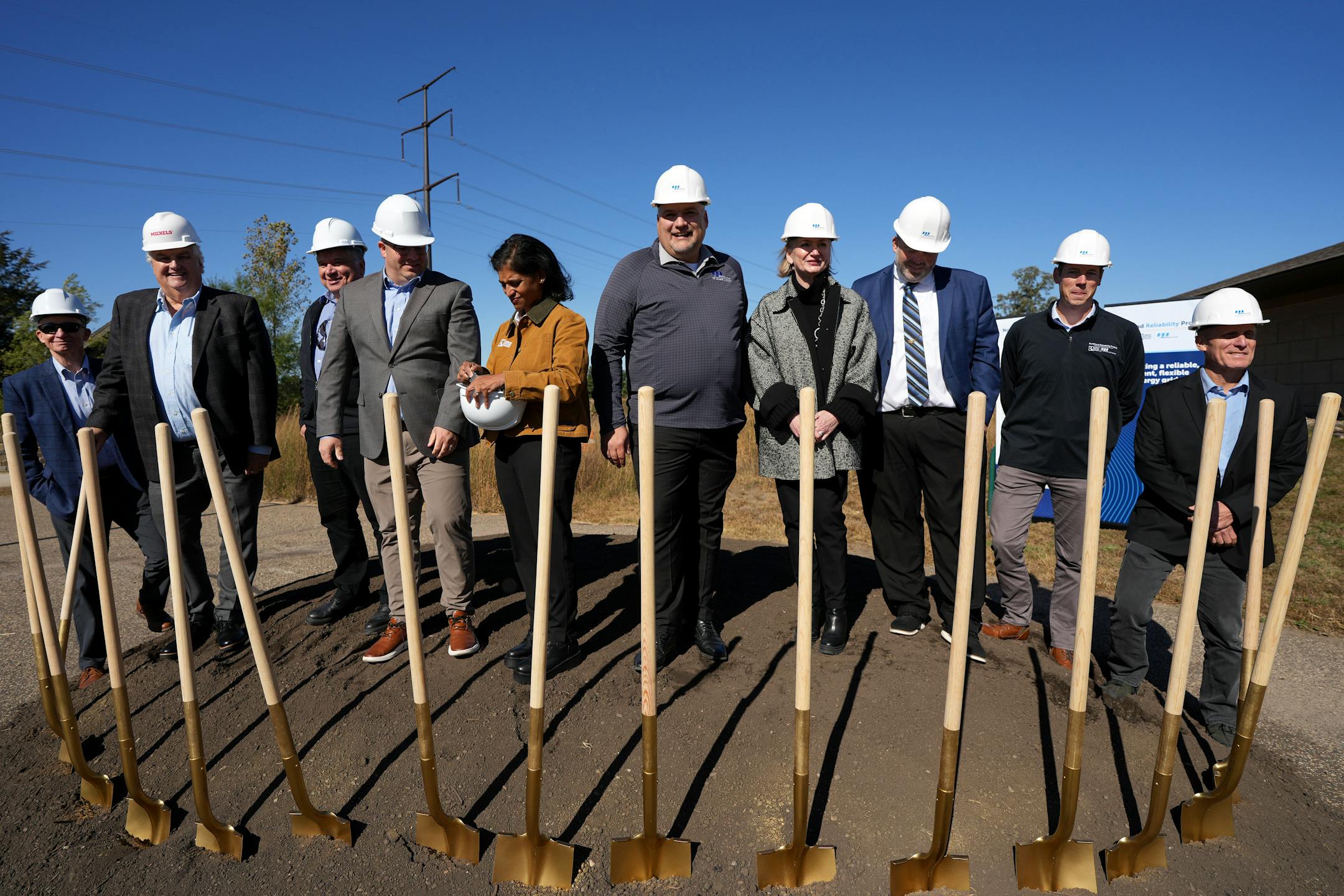
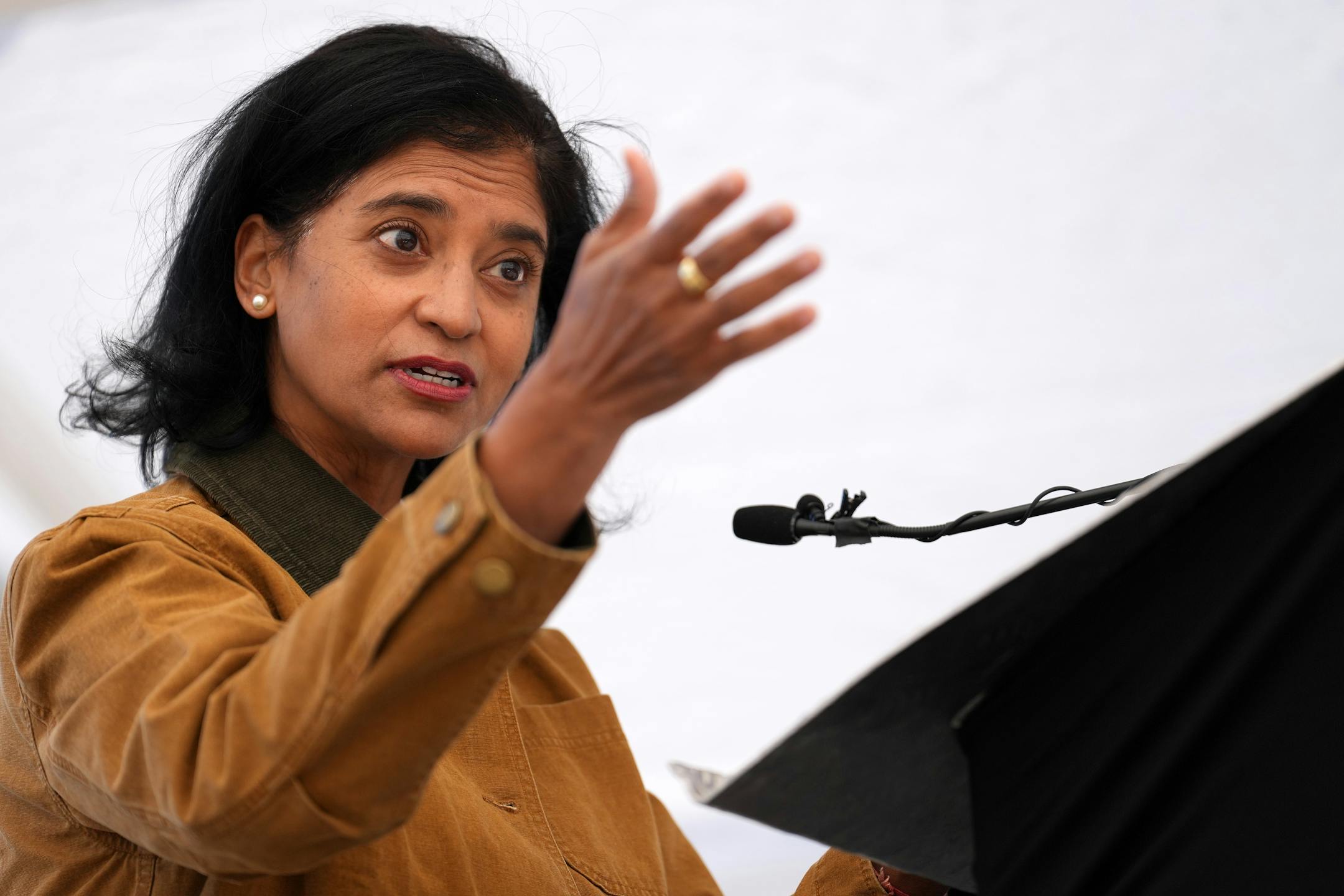
Why MISO wants to build power lines
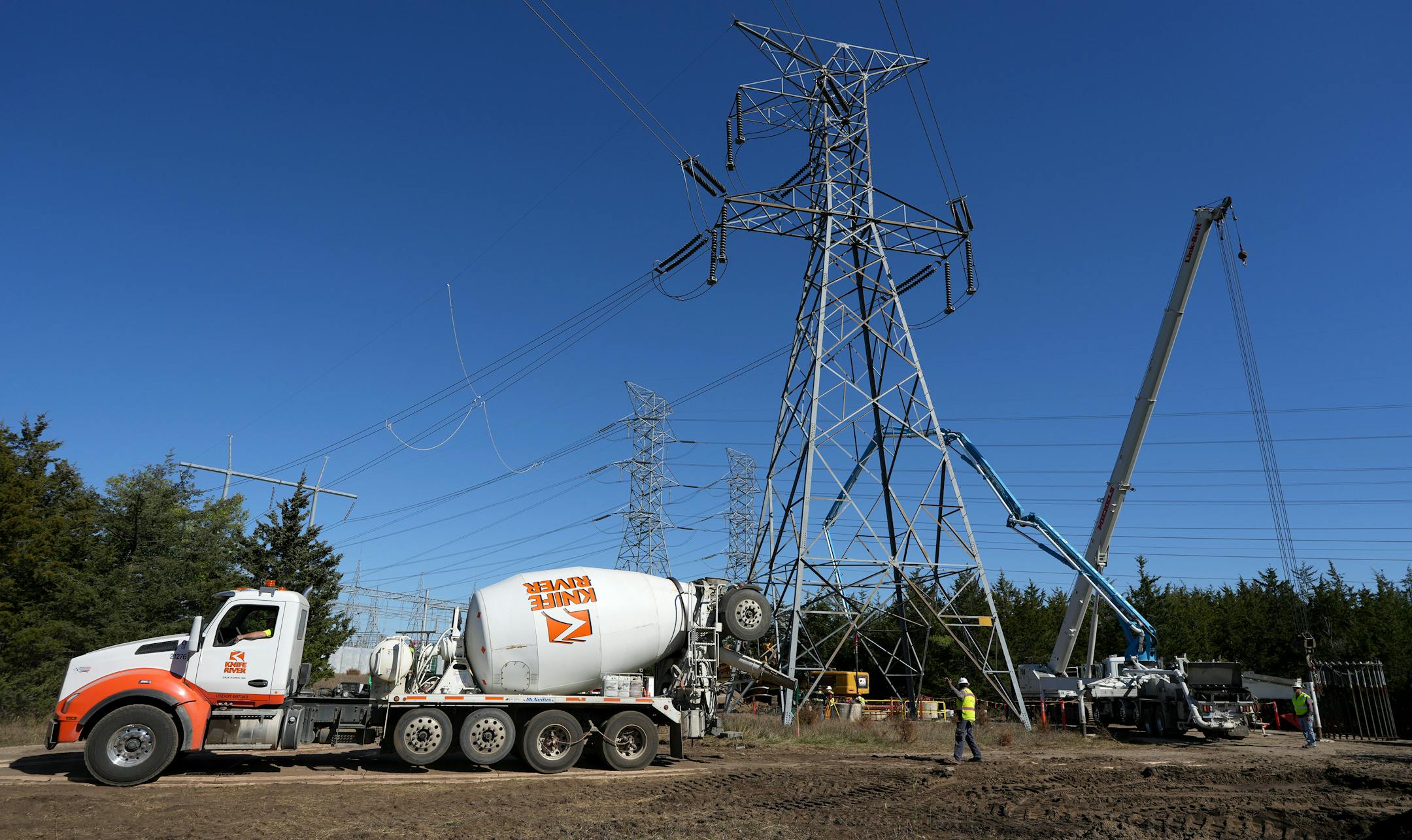
The regional grid operator, a nonprofit known as MISO, is planning five phases of long-distance transmission lines, in part to move the grid away from its traditional reliance on large fossil fuel plants close to cities.




![Attendees of Frostbike made their way through the convention Saturday at the Quality Bike Products campus in Minneapolis. ] (AARON LAVINSKY/STAR TRIBUNE) aaron.lavinsky@startribune.com Frostbike 2016 was held at the Quality Bike Products Campus on Saturday, Feb. 27, 2016 in Bloomington, Minn.](https://arc.stimg.co/startribunemedia/NH2BSHB74ND2V6GF2G2HI5X4MM.jpg?&w=252&ar=3:2&fit=crop)