Apple Valley leaders know that “forever chemicals” are coursing through the city’s water supply, but they can’t say for sure how the synthetic substances got there.
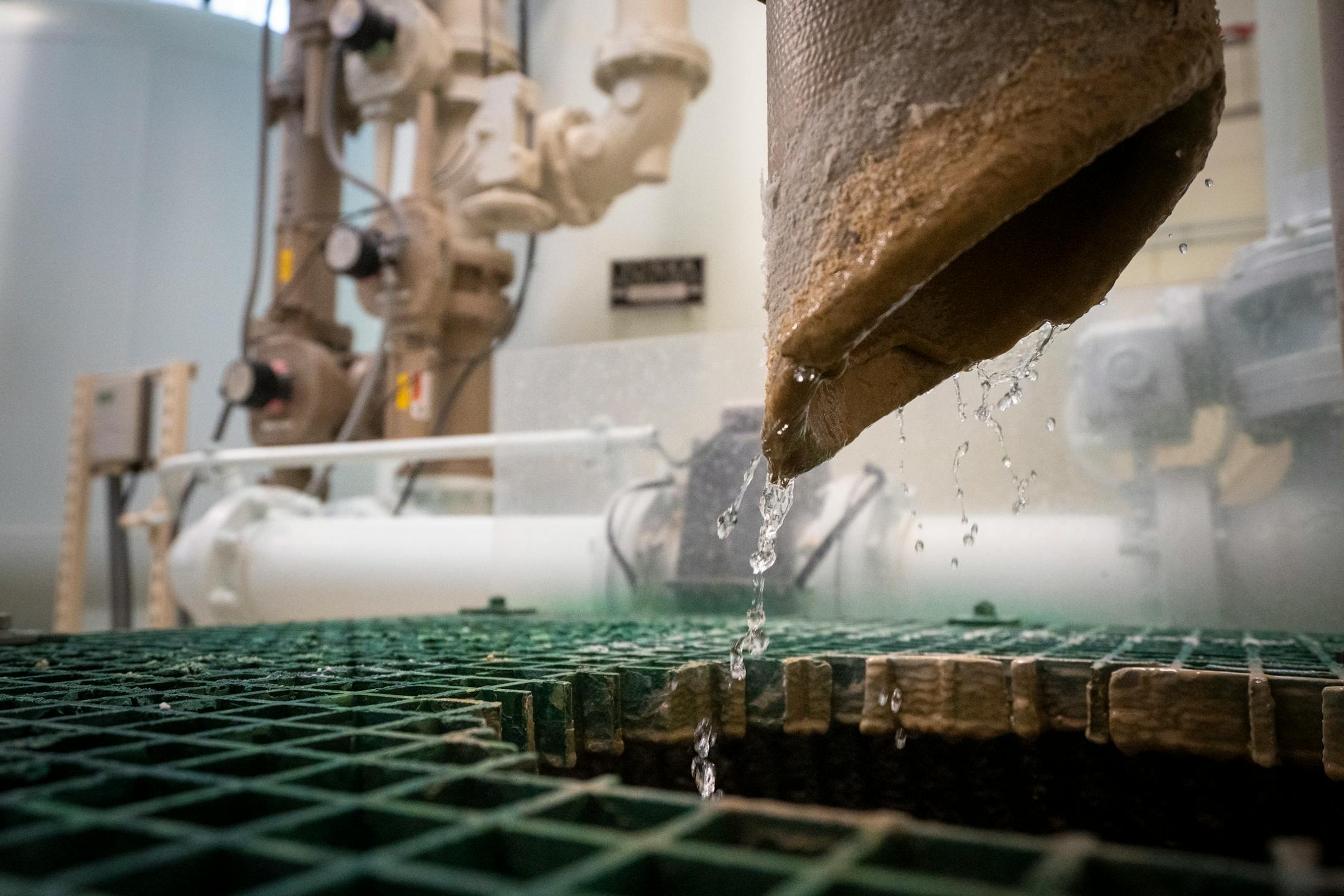
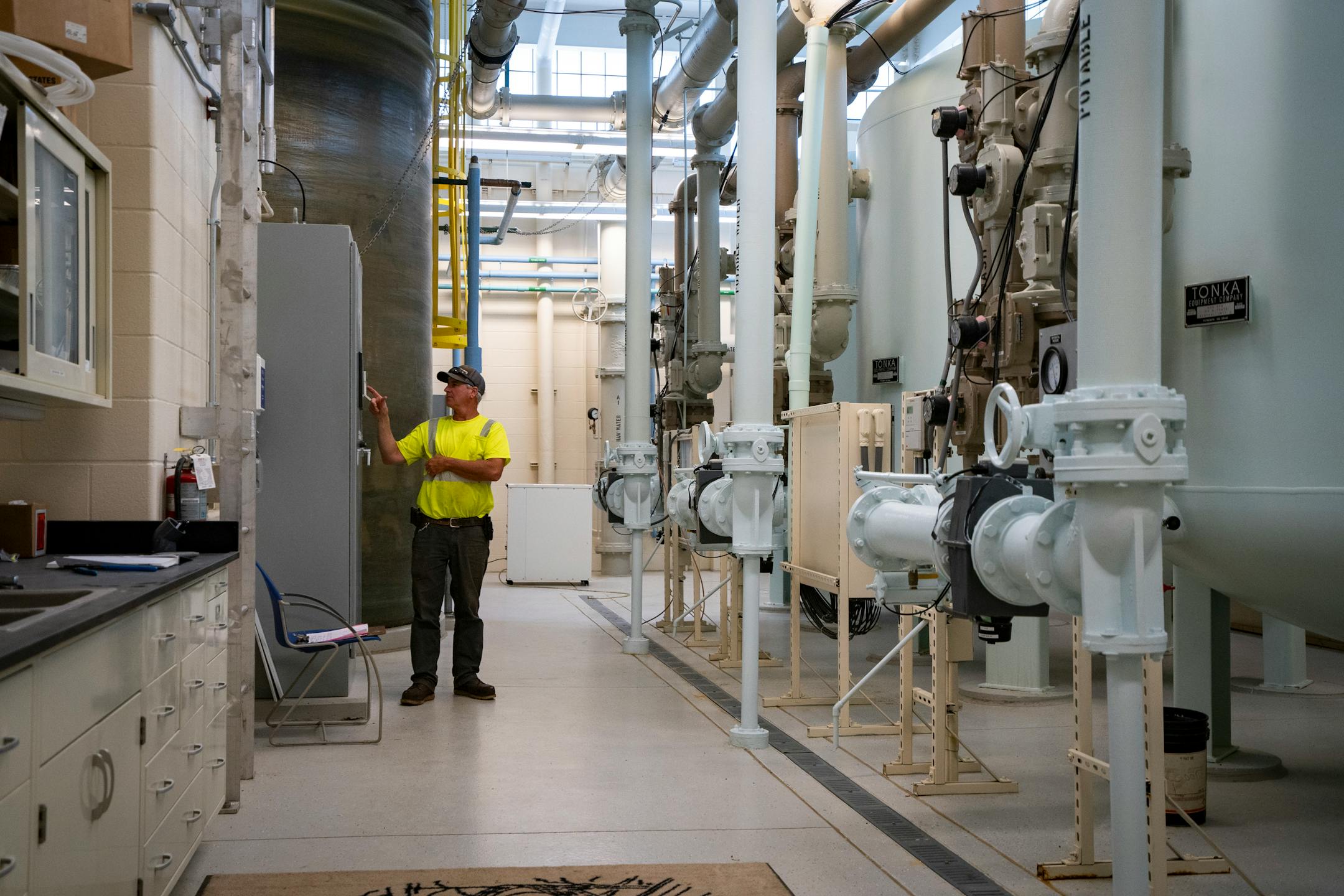
Yet the mysterious origin of per- and polyfluoroalkyl substances, or PFAS, in nearly half of Apple Valley’s wells doesn’t change the fact that the city faces a $100 million bill to flush them from its system. And with outside sources unlikely to cover the whole project, residents are set to see their water rates rise to pay for the costly treatment plant upgrades.
The dilemma reveals the local implications of one of the 21st century’s most challenging environmental crises. As “forever chemicals” increasingly surface in wells across the Twin Cities area, small cities with limited resources now find themselves staring down enormous expenses to make drinking water safe for residents and satisfy federal regulators.
City officials are scrambling to secure money from the state and federal governments that could help rid their water of substances linked to certain cancers, birth defects and liver damage.
And it’s not just places closest to Minnesota’s most infamous PFAS hotspot — the plants and dumpsites of 3M, the chemical giant that for decades manufactured “forever chemicals” — racing to find funds.
Apple Valley, some 24 miles from the nearest 3M site, is hoping the state approves its $40 million bonding request to pay for cleanup efforts. But that cash infusion would still leave residents on the hook for the remainder, forcing the city to hike rates from $75 to $161 per household a quarter.
“Nothing our residents did, at least that we know of, has contributed to this,” Public Works Director Matt Saam said. “Yet our residents are the ones going to be stuck having to pay for it.”

‘A budget buster’
Dan Wietecha has become something of a spokesman for Hastings’ PFAS problem. The city administrator regularly drives to St. Paul to urge lawmakers to fund a trio of treatment plants and has hosted numerous forums to answer residents’ questions about “forever chemicals.”