

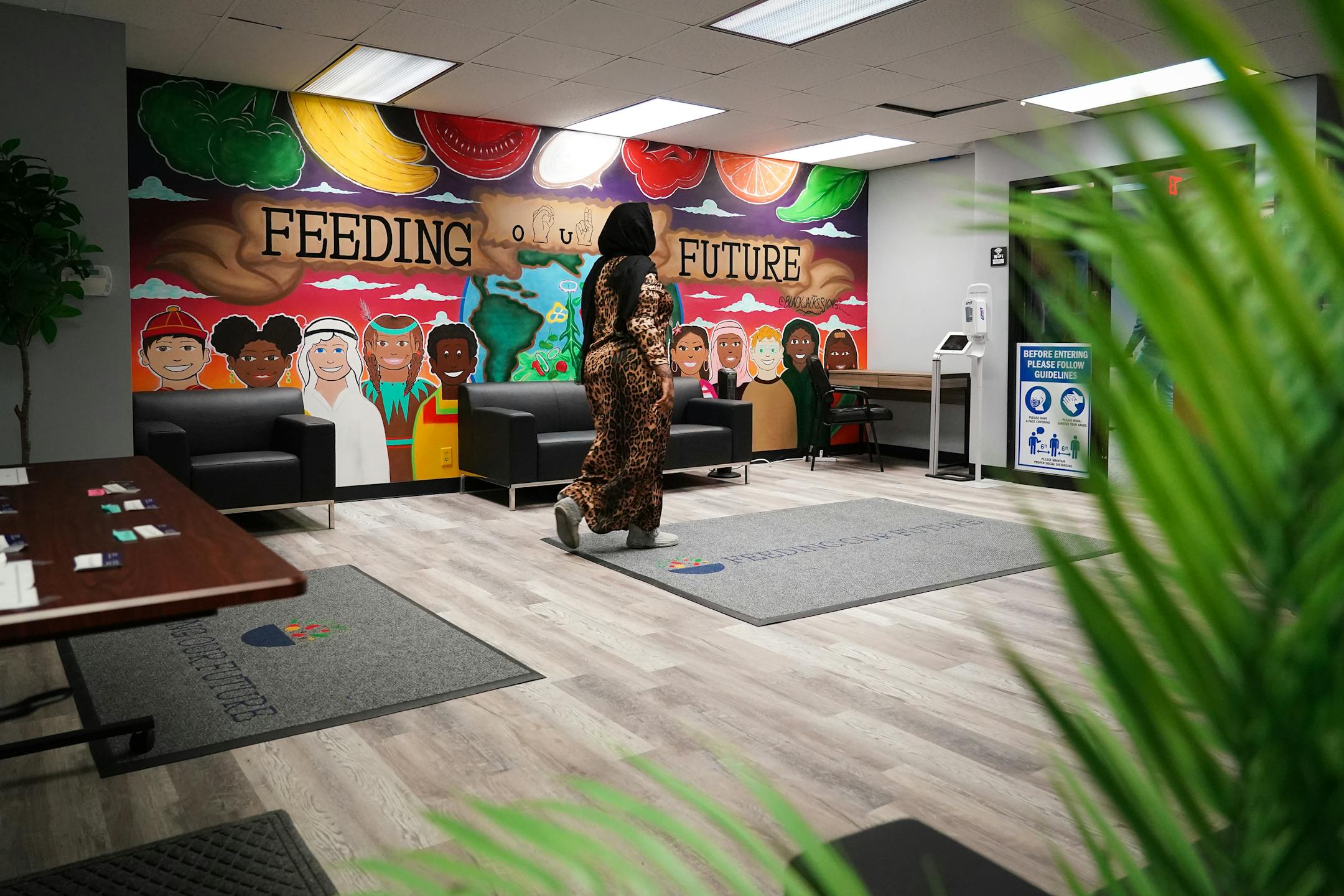
A Minneapolis man has admitted to his role in the $250 million Feeding Our Future fraud scheme — one of the largest pandemic-aid theft cases in the country — pleading guilty to conspiracy to commit wire fraud and conspiracy to commit money laundering.
Guhaad Hashi Said, charged alongside more than 70 others in the sprawling federal case, entered his plea to two counts this week in U.S. District Court. In exchange, prosecutors will dismiss the remaining charges in the indictment.
From December 2020 through January 2022, Said operated what he claimed was a federally funded meal distribution site called Advance Youth Athletic Development. The program was enrolled in the Federal Child Nutrition Program through Feeding Our Future, a now-defunct nonprofit that served as a sponsor for dozens of similar meal sites during the COVID-19 pandemic.
According to court documents, beginning in March 2021, Said’s site submitted paperwork claiming it was serving 5,000 meals a day to children, seven days a week. Over a three-month period from March to May 2021, those reports amounted to more than 900,000 meals — on paper. Prosecutors say in reality, Advance Youth Athletic Development provided only a fraction of that number.
To support the inflated claims, Said submitted fraudulent meal counts, attendance rosters, and invoices. He then funneled the federal reimbursements through a network of shell companies designed to hide the money’s origin. One of those entities, S & S Catering, was a small storefront restaurant that purported to supply meals to program sites but in reality helped launder the proceeds of the fraud through fabricated invoices.
Between April and December 2021, Feeding Our Future issued approximately $2.9 million in reimbursement payments to Advance Youth Athletic Development. Prosecutors say more than $2.1 million of that was later transferred to S & S Catering, which then funneled funds back through shell companies controlled by Said and his co-conspirators.
The plea agreement outlines how Said and others created nonprofits and limited liability companies for the sole purpose of receiving and moving the stolen funds. Once laundered, the money was used for personal expenses — including real estate purchases, vehicles, and other high-dollar items — instead of feeding children.
The Feeding Our Future investigation has revealed a complex scheme in which dozens of defendants across Minnesota allegedly exploited loosened pandemic-era rules and oversight to divert millions from federal nutrition programs intended for low-income children.


