


Opinion editor’s note: Strib Voices publishes a mix of commentary online and in print each day. To contribute, click here.
•••
U.S. Homeland Security Secretary Kristi Noem and her flunkies may have expected a population that would cow before the masked, armed agents dispatched to Minnesota. Instead, the Twin Cities refuse to break.
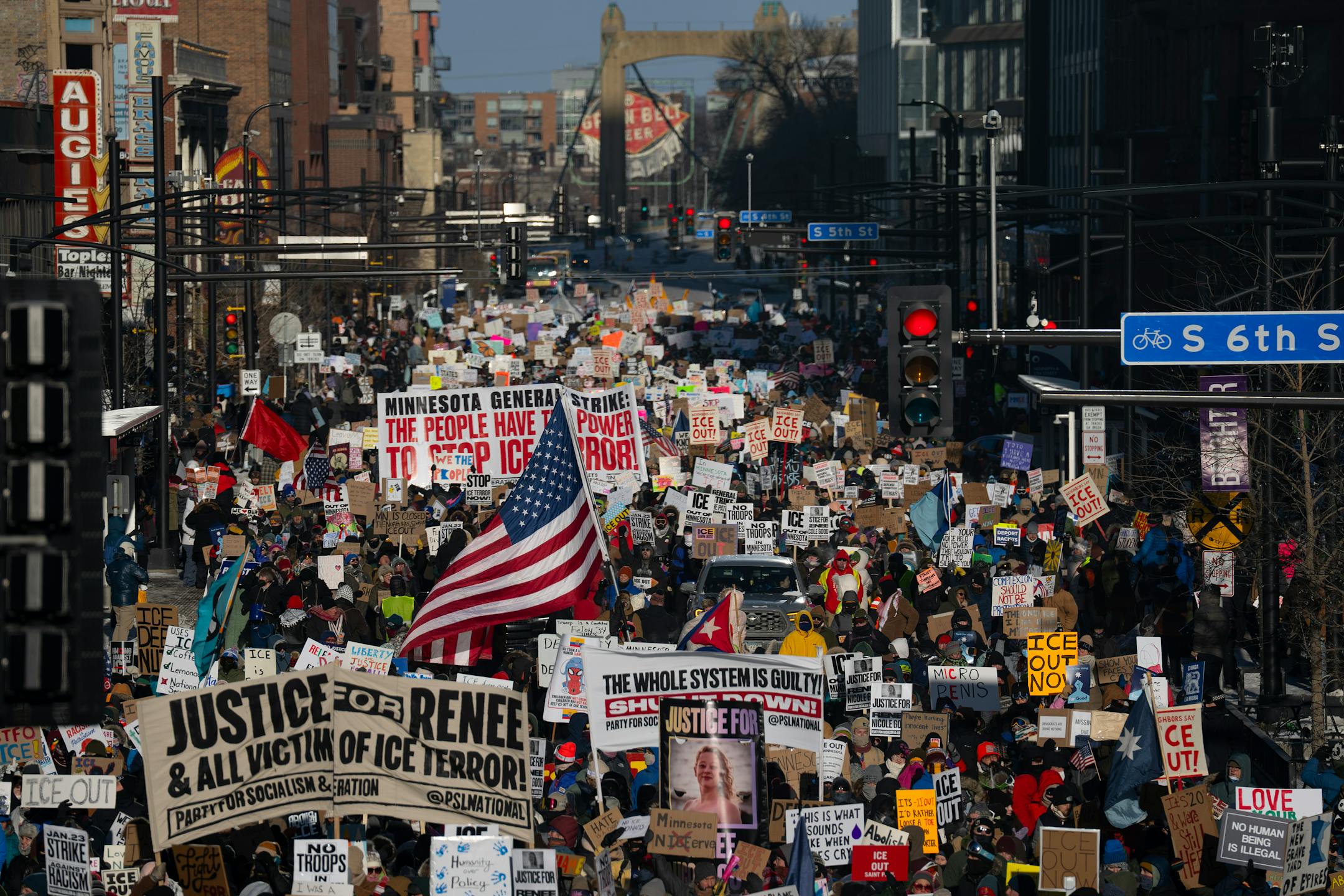
Individuals organized. Tens of thousands have marched. While Operation Metro Surge continues, its implementation here is a systemic failure capped by the deaths of two Minnesotans at the hands of immigration agents. President Donald Trump, who rarely admits mistakes, has had to acknowledge operational problems and has expressed that changes are needed.
The current powder keg in Minnesota was entirely predictable for those who’ve read an intriguing and provocative 2011 political science book called “American Nations.” Its author is historian Colin Woodard, a Maine native who runs the Nationhood Lab at Rhode Island’s Salve Regina University. His premise is that the United States is a lot less united than its name suggests.
Instead, he argues persuasively that there are 12 regional nations within in the continental United States whose identities were forged long ago by settlers and colonizers. With each identity came different ideas about the kind of society they were building, how society should be structured and the proper role of government, not to mention democracy itself.
Throughout U.S. history, these regional identities have not only persisted but competed for power, according to Woodard. Viewing the immigration enforcement surge through the “American Nations” lens offers fresh insights into why Minnesotans have reacted so forcefully. The Nations model may also illuminate political reverberations ahead for this fall’s pivotal midterm elections.
I spoke with Woodard recently, running by him my own application of Nations theory to Minnesota events. Our conversation is summed up below. Before you jump in, a brief backgrounder:


