We’ve all found ourselves scouring malls and websites for the perfect last-minute present.
So as more retailers roll out OpenAI-powered shopping tools, we wanted to see how well chatbots could recommend gifts.
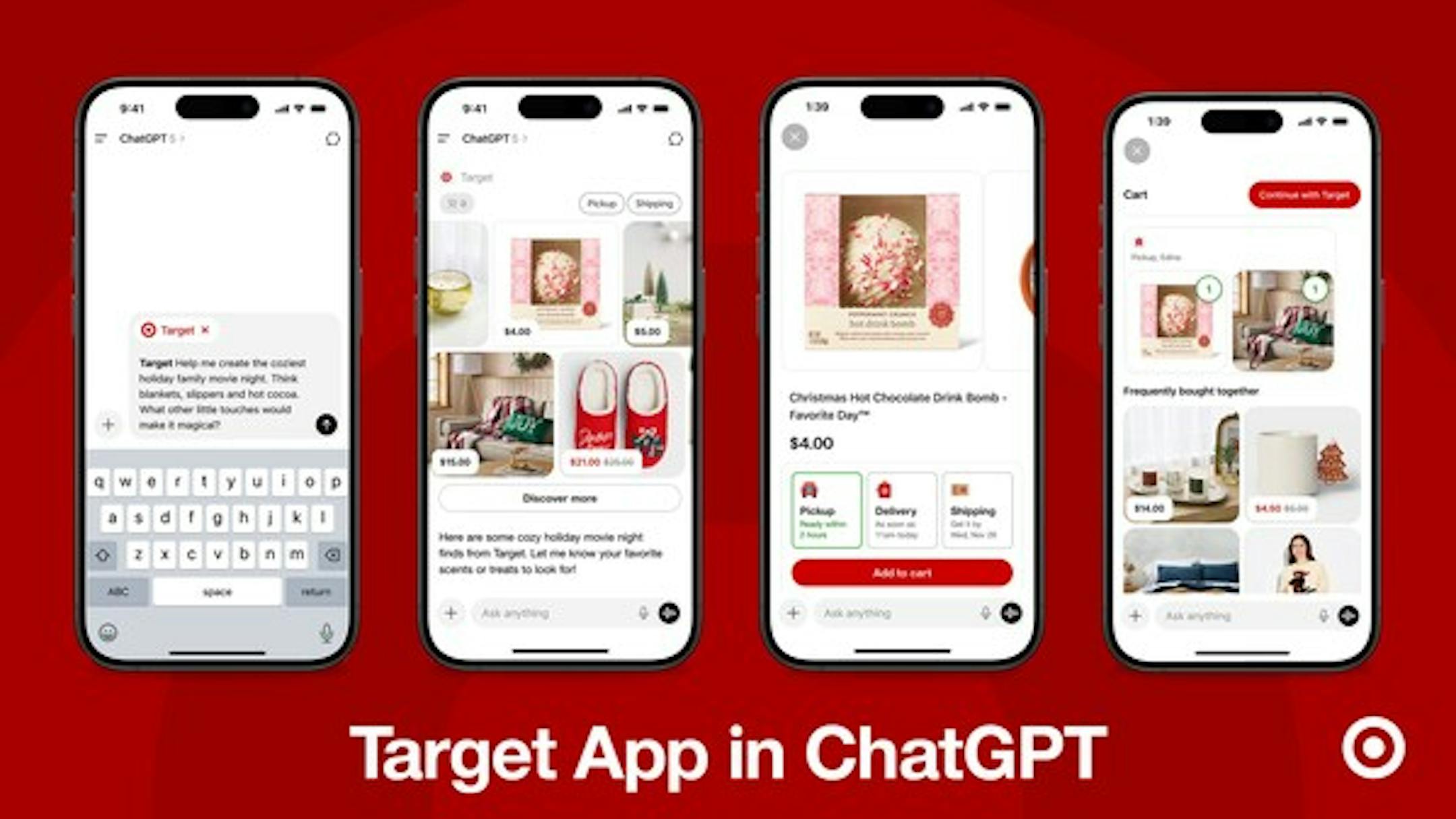
Minneapolis-based Target, Walmart and others are betting big on generative AI, launching platforms in ChatGPT, developing in-house chatbots and investing in thousands of GenAI licenses. McKinsey estimates the technology could give the industry a $310 billion boost.
But we also wanted to address lingering privacy concerns by testing how much personal information shoppers would have to share to get quality recommendations.
“Chatbots tend to solicit a lot more information from users than search engines — your health, your finance, all sorts of things,” said Dr. De Liu, professor of information and decision sciences at the University of Minnesota’s Carlson School.
“Now, imagine you’re also telling them your shopping habits, your budgets. Once they know that about you, the recommendations get more personalized, and that’s exactly what makes it harder to leave them.”
Testing ChatGPT
For our experiment, we asked participating reporters for these five prompts:
- Age range (18-24, 25-34, 35-44, 45-54, 55-64, 65+)
- Gender
- The types of gifts the recipient most likes to receive
- The types they least like to receive
- A couple of their favorite hobbies
To protect privacy, we kept identifying information to a minimum. Their answers were copied directly into ChatGPT with a request for a few gift recommendations. The results were pasted as is and shared with the reporters for feedback.