These six lawmakers could determine the fate of an assault weapons ban in Minnesota

The handful of state senators and representatives who could tip the scales on a possible ban on assault-style weapons are reluctant to talk about how they’d vote.

October 3, 2025 at 11:00AM
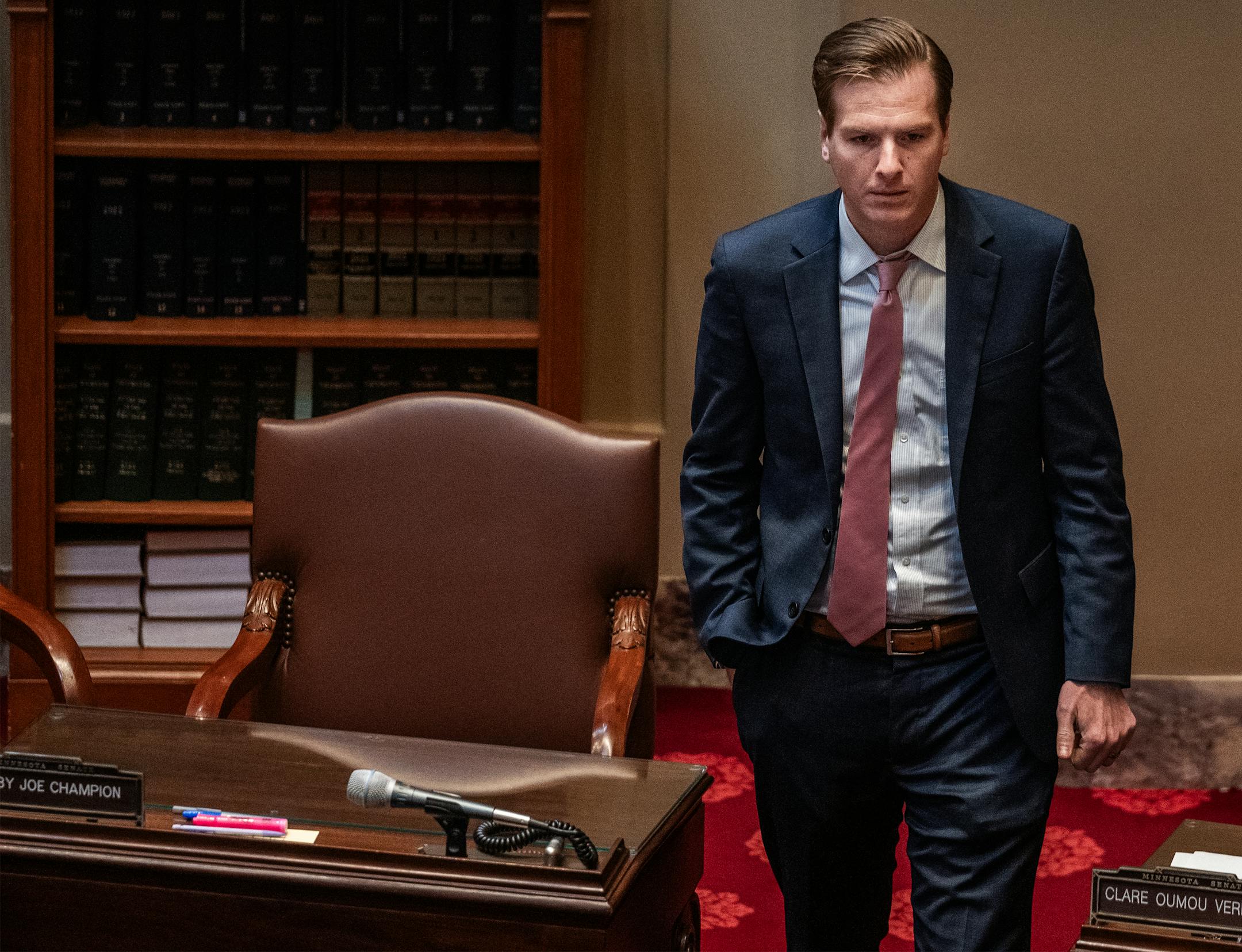
DFL state Sen. Grant Hauschild provided a pivotal vote for the bill establishing Minnesota's red flag law and universal background checks for gun purchases. (Richard Tsong-Taatarii/The Minnesota Star Tribune)

Grant Hauschild was deep in the woods of his northeastern Minnesota Senate district when the Democrat was confronted with the question he and other moderate legislators had evaded for weeks: Would you vote for bans on assault-style weapons and high-capacity magazines?

Gov. Tim Walz and Democratic legislative leaders have been pushing for those bans, and other violence prevention policies, ever since a shooter killed two schoolchildren and wounded nearly two dozen others at a Catholic church and school in south Minneapolis in August.

Hauschild, in the midst of an ATV tour near Silver Bay, deflected the question from a Minnesota Star Tribune reporter. Instead he mentioned the importance of working with the other side and listening to constituents in his largely rural district.

“We’re literally in the North Woods right now,” said Hauschild, who won his 2022 race by about 700 votes and is one of a shrinking cohort of statehouse Democrats who still represent rural turf. “This is a place that really cherishes hunting and fishing in the outdoors, and I grew up in a home with guns on my walls as decoration.”

The reluctance of Hauschild and other swing-district lawmakers to take a position on an assault weapon ban is a symptom of the intense pressure they are under to tackle a polarizing and complex issue — guns — in a way that reflects the desires of their party leaders and their politically divided constituents.

But along with the pressure comes great power. The Legislature’s tight margins have given moderate legislators from both parties an outsized voice in determining whether and how state leaders will change laws in response to Minnesota’s deadliest school shooting in 20 years.

Some in GOP open to talking about guns

Democrats hold a one-seat edge in the Senate, but it’s unclear whether they are united on the bans. The House is tied, so any legislation needs bipartisan support. All 201 legislators are on the ballot next fall as both sides try to reclaim power.

After weeks of negotiations, Walz and legislative leaders are at an impasse over a possible special session on gun violence solutions. Republicans rejected a DFL proposal on Tuesday that included a slate of GOP priorities, including funding for mental health services and school security, but also would have required passage of a ban on assault-style weapons and high-capacity magazines.

House GOP Floor Leader Harry Niska, of Ramsey, told reporters this week that no members of his caucus are willing to vote for such a ban.

Some moderate GOP lawmakers from the suburbs who spoke to the Star Tribune took a different tone. They expressed skepticism, but not outright opposition, to new firearm restrictions.

State Rep. Danny Nadeau, a Republican who represents northern suburbs such as Rogers and Champlin, said lawmakers shouldn’t be approaching a discussion about preventing mass shootings with their minds already made up. Democrats are going to want a conversation about gun restrictions whether it’s now or in the regular legislative session that begins in February, he said.

He’s concerned about the constitutionality of firearm and magazine restrictions, noting some bans in other states have been challenged in court. Nadeau said he wouldn’t vote for a ban on assault-style weapons or high-capacity magazines “as a standalone bill.”

But asked if he could support the proposals if included in a broader package addressing issues beyond just guns, Nadeau did not rule out the possibility.

“I think that that’s the only and best path forward for Minnesota,” Nadeau said, referring to a comprehensive gun violence prevention package. He added that such a proposal would also need to include school safety funding.

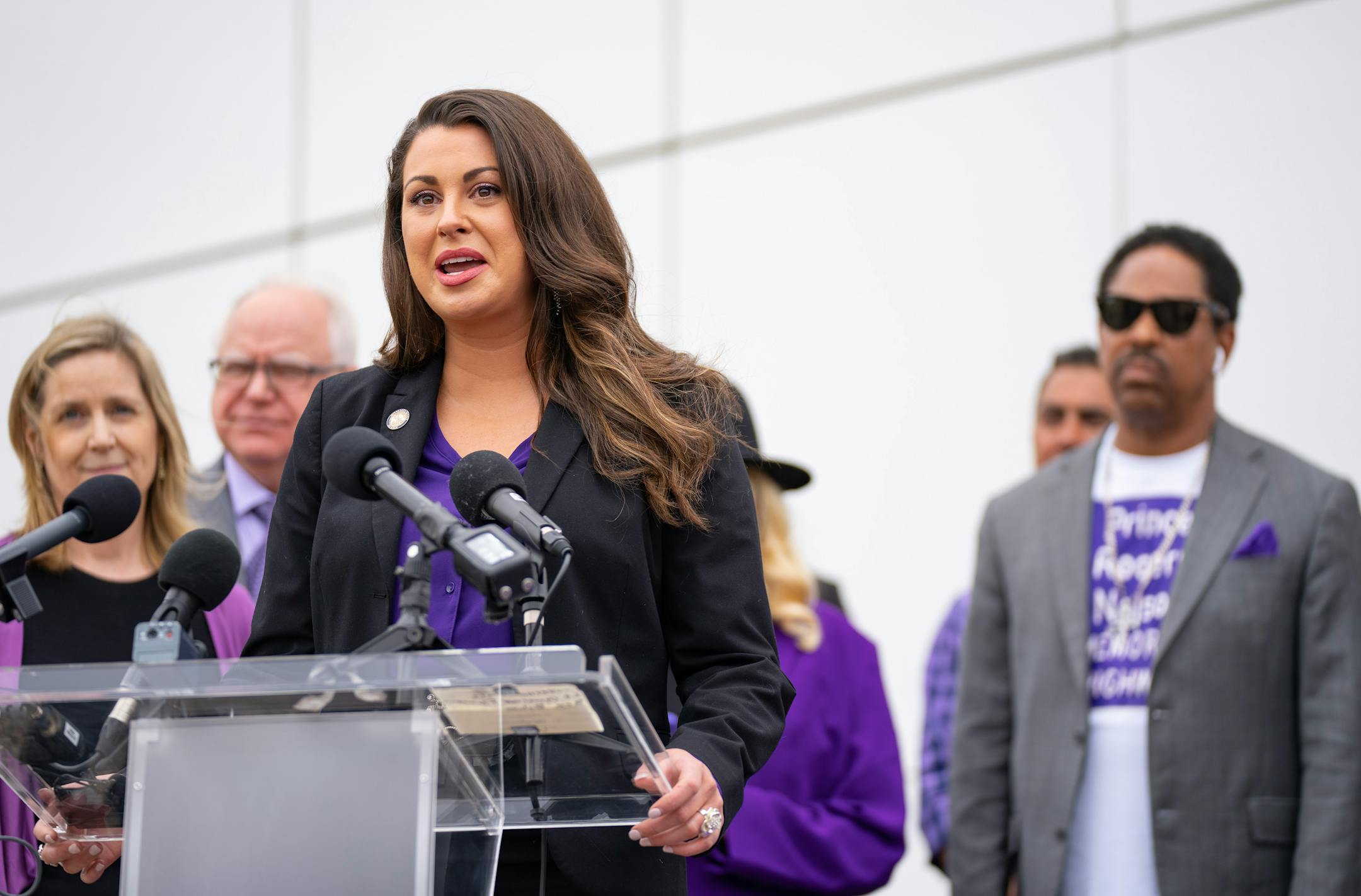
Minnesota state senator Julia Coleman speaks to the press before Governor Tim Walz signs a bi-partisan bill renaming a 7-mile stretch of Highway 5 as "Prince Rogers Nelson Memorial Highway."
State Sen. Julia Coleman, R-Waconia, said she's open to coming back for a special session on gun violence prevention. (Alex Kormann/The Minnesota Star Tribune)

Sen. Julia Coleman, R-Waconia, who represents the southwestern suburbs, exurbs and rural areas beyond, said she wouldn’t mind returning for a special session. On the morning of the Annunciation shooting, she said, she dropped her son off for his first day of kindergarten. After news of the shooting broke, Coleman said she remembered thinking: “Every single one of us at the Capitol has failed these children.”

Coleman said she wants the Legislature to look at having school resource officers in every single school — public, private and charter. She also is open to hearing debate and data about “what different tweaks to firearm laws do.” But Coleman said lawmakers should remember the alleged shooter possessed a handgun as well, and “we’re never going to outlaw those.”

“Even if we outlaw every firearm, there are still going to be bad people that get their hands on them,” she said.

Sen. Jim Abeler, an Anoka Republican who won re-election by 186 votes in 2022, said he is open to a discussion on how to prevent mass shootings. But, he said, “it doesn’t happen on the fly. It doesn’t happen under political pressure.”

Abeler, who wouldn’t say how he’d vote on firearm and magazine restrictions, said his constituents split down the middle on the issue. He’d prefer to take up the matter in February instead of in a truncated special session, and he hopes Democrats and Republicans will work together in good faith instead of politicizing the issue to score points for re-election campaigns.

“It’s time to work together and get something done and not try to embarrass each other with a vote that’s going to go on a postcard,” Abeler said.

Any vote restricting certain firearms or magazine size puts Republicans at risk of alienating their conservative base, which includes many staunch supporters of Second Amendment rights. They also could face backlash from right-wing groups such as Action 4 Liberty, which frequently encourages activists to mount primary challenges to incumbents it deems not conservative enough.

Swing-district Dems hold cards close to vest

Some moderate Democrats, too, could face blowback if they voted for bans on assault-style weapons or high-capacity magazines.

Hauschild, Sen. Judy Seeberger, DFL-Afton, and Sen. Rob Kupec, DFL-Moorhead, all represent closely divided districts, Despite pressure from gun rights groups, they provided key votes for a 2023 bill that established Minnesota’s red flag law and universal background checks for gun purchases.

But they hesitated to support any other gun control measures while Democrats held a majority in both chambers of the Legislature. All three could face tough re-election campaigns next year, any of which could tip the balance of power in the Senate.

Seeberger, who won her largely exurban and rural district by 321 votes, joined Hauschild for the ATV ride last week. She’s meeting with gun rights and gun control advocates and other constituents, she said, but hasn’t yet decided how she would vote on the bans.

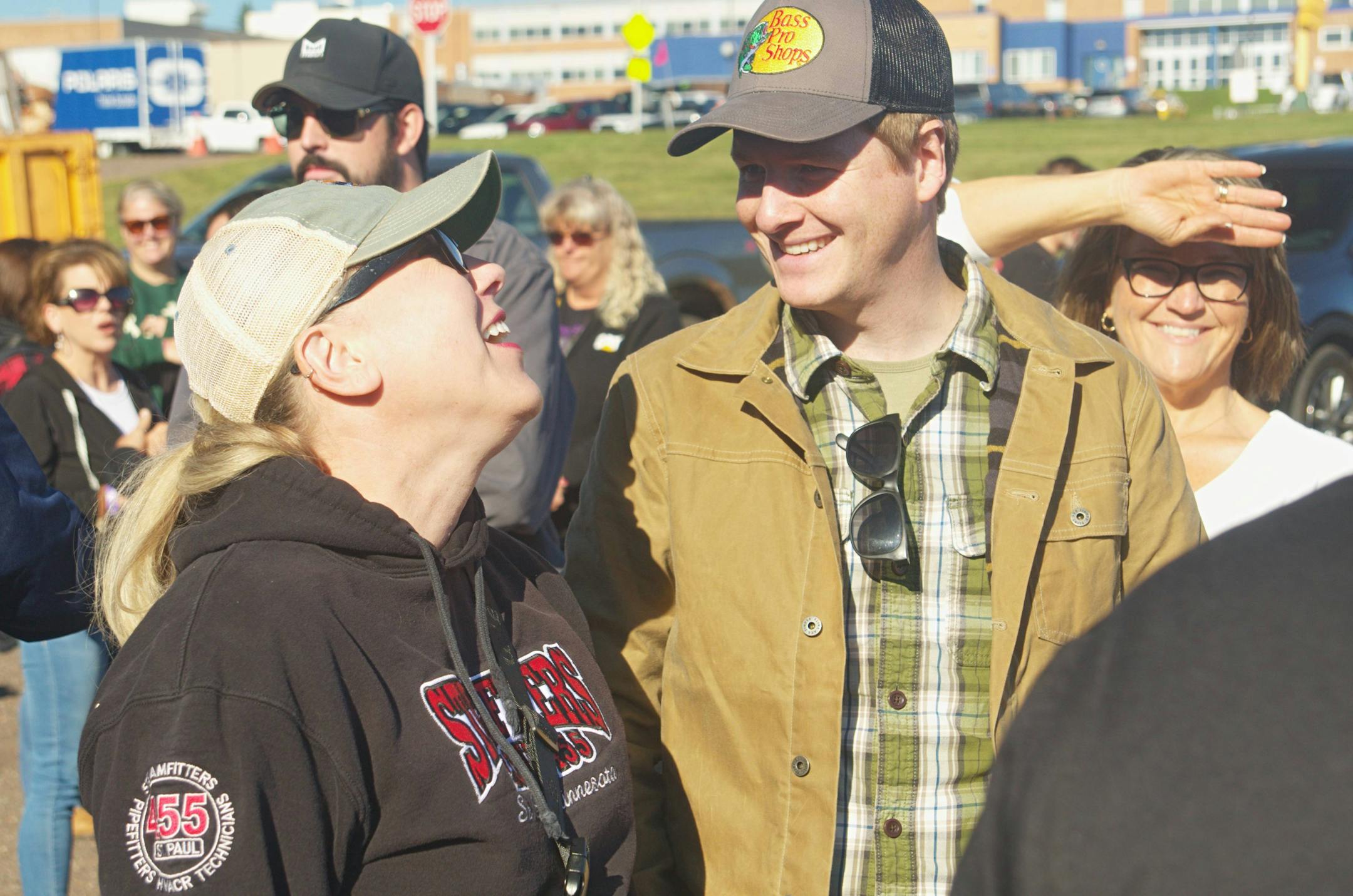
Sen. Judy Seeberger, left, laughs as she speaks with Sen. Grant Hauschild.
Sen. Judy Seeberger, DFL-Afton, and Sen. Grant Hauschild, DFL-Hermantown, chat as they prepare for an ATV tour in Silver Bay, Minn. (Nathaniel Minor/The Minnesota Star Tribune)

Half her district wants her to do one thing and the other half wants her to do the opposite, she said. She’s skeptical of Walz’s strategy to push for a vote, even if it were to fail, with the goal of getting legislators’ votes on the record.

“I would rather see us come in with a good plan that has a chance of passing and a real chance of making a difference than bringing us all together for the spectacle of a vote,” Seeberger said.

She’s concerned that her vote could be used against her in next year’s campaign season, she added. Seeberger also questioned the focus on assault-style weapons over handguns, which data show account for most shootings. She called for advocates and policy makers to dial back “inflammatory rhetoric” as well and work together to stop gun deaths.

“At the end of the day, we want the same thing,” she said.

Kupec said his district, which includes liberal-leaning Moorhead and conservative Red River Valley farm country, is split on the call for more gun regulations. He would support some new efforts like expanding the red flag law and thought there may be “some room to do something” on high-capacity magazines.

But he’s skeptical of a state-level assault weapons ban, which he said would be better done at the federal level.

Even if a ban on the sale of assault weapons were to pass, Kupec said the sheer number of existing guns in this country suggests to him that the issue of gun violence cannot be fully addressed through legislation alone.

“I don’t even know how you get at that,” he said. “But I think as a society we need to be a little kinder and gentler.”

about the writers

about the writers

Nathaniel Minor

Reporter

Nathaniel Minor is a reporter for the Minnesota Star Tribune.

See Moreicon

Ryan Faircloth

Politics and government reporter

Ryan Faircloth covers Minnesota politics and government for the Star Tribune.

See Moreicon

More from Politics

See More
card image
Mark Schiefelbein/The Associated Press

A Navy admiral commanding the U.S. military strikes on an alleged drug boat in the Caribbean told lawmakers Thursday that there was no ''kill them all'' order from Defense Secretary Pete Hegseth, but a stark video of the attack left grave questions as Congress scrutinizes the campaign that killed two survivors.

card image