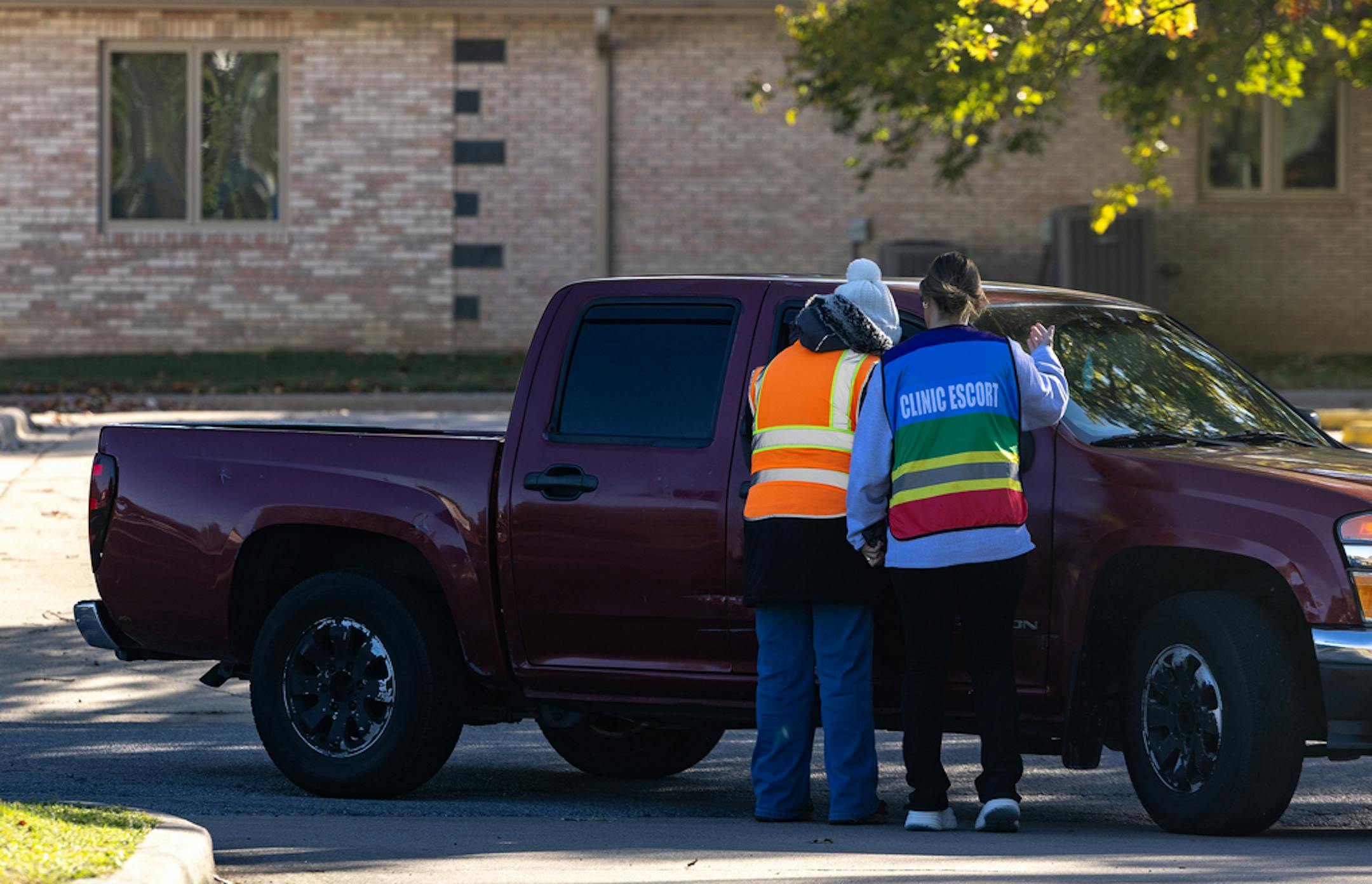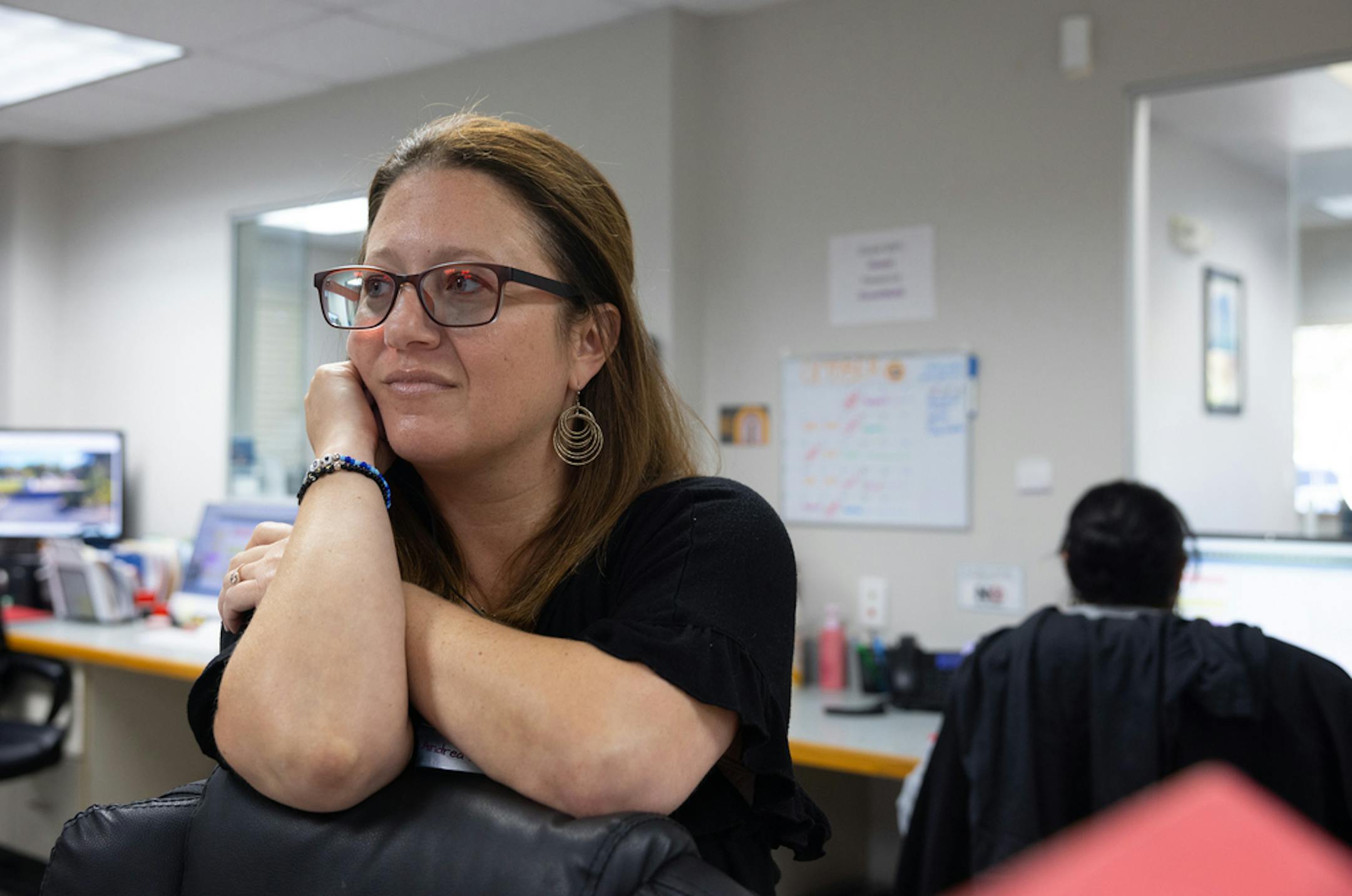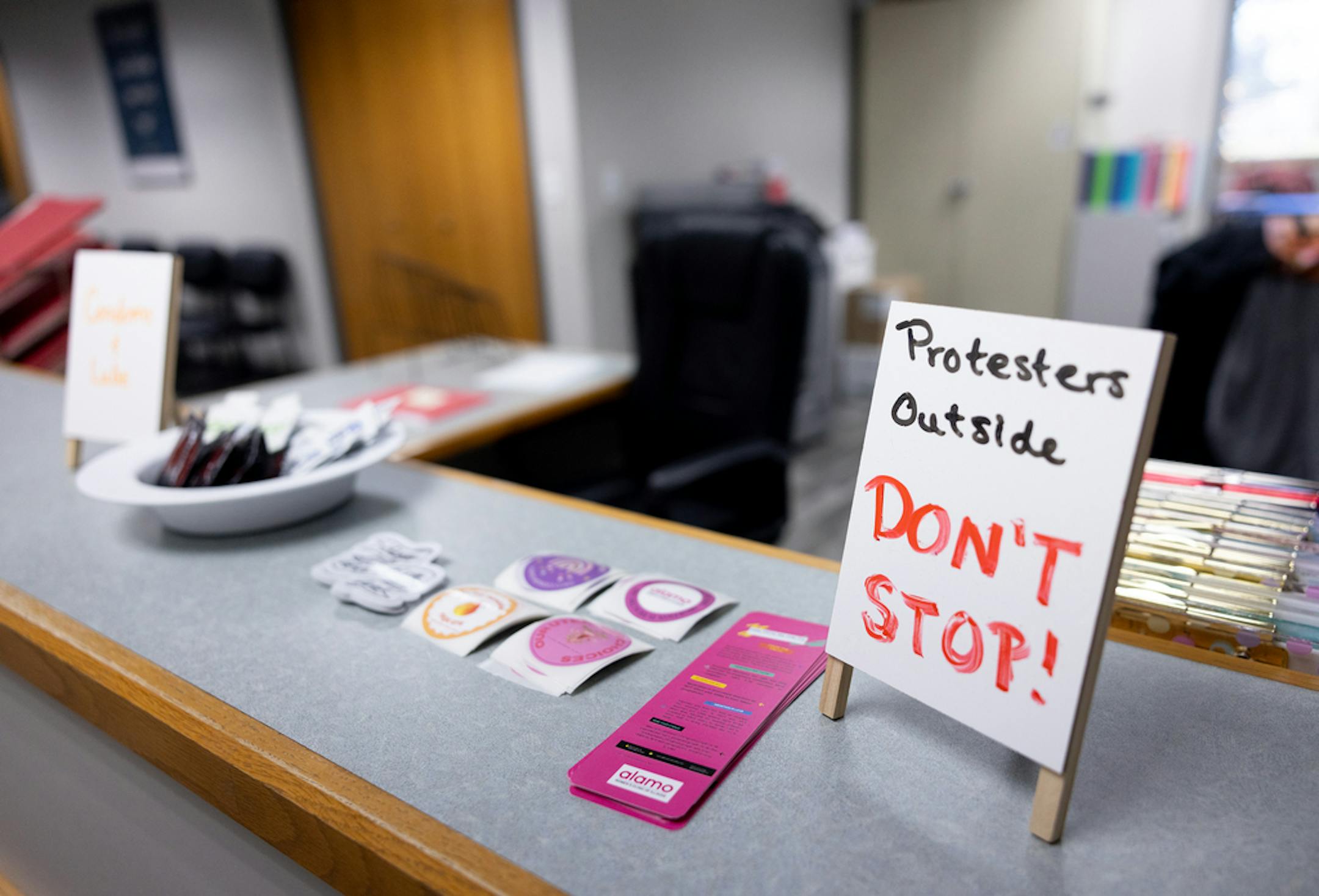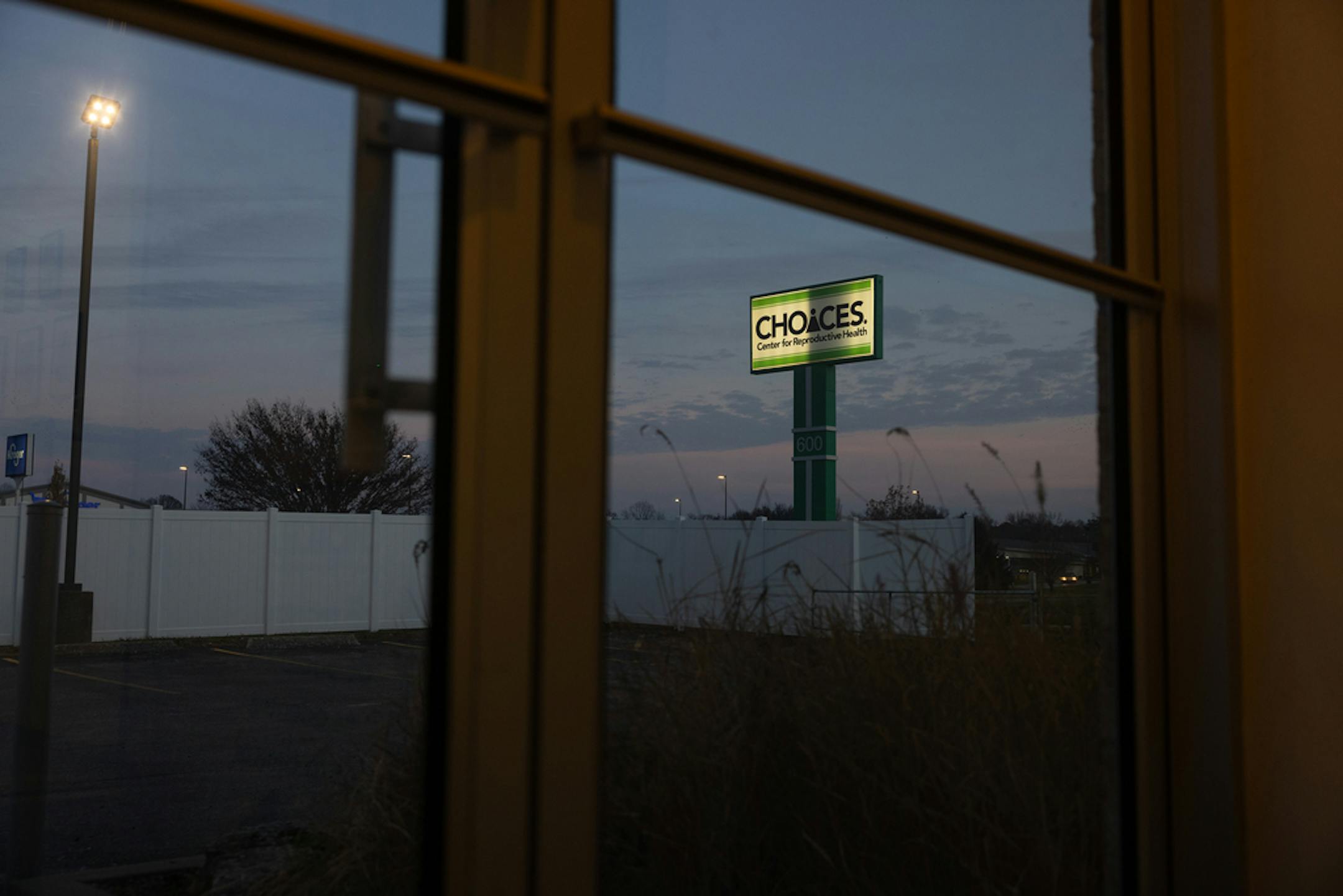
CARBONDALE, Ill. — The cars and pickup trucks from Missouri, Tennessee, Arkansas, Louisiana, Indiana and Mississippi started arriving early in the morning at the Alamo Women’s Clinic in Carbondale, Illinois. Men were not allowed inside, so most waited in the parking lot, scrolling or dozing, exhausted after driving through the night.
Abortion is legal in Illinois, but the state is surrounded by others that have largely banned the procedure in the three years since the Supreme Court overturned Roe v. Wade. As a result, Illinois now leads the nation in out-of-state abortion patients. Carbondale, a college town in Illinois’ southern tip within driving distance of 10 states with abortion bans, has become a major abortion hub.
Last year three clinics in this city of 21,000 provided close to 11,000 abortions, almost all for women from other states. The numbers, provided by the clinics, account for nearly one-third of all out-of-state abortions in Illinois.
Carbondale is an example of how the Supreme Court’s decision, in Dobbs v. Jackson Women’s Health Organization, to end a woman’s constitutional right to abortion has made geography an all-important factor in access to the procedure. After the decision, 14 states effectively banned abortion, a seismic shift that placed Carbondale, a liberal enclave in a deeply conservative region, in a complicated position.
People in the city are generally supportive of its status as a safe harbor. But the sheer number of abortions has also created some unease, and worry about a backlash.
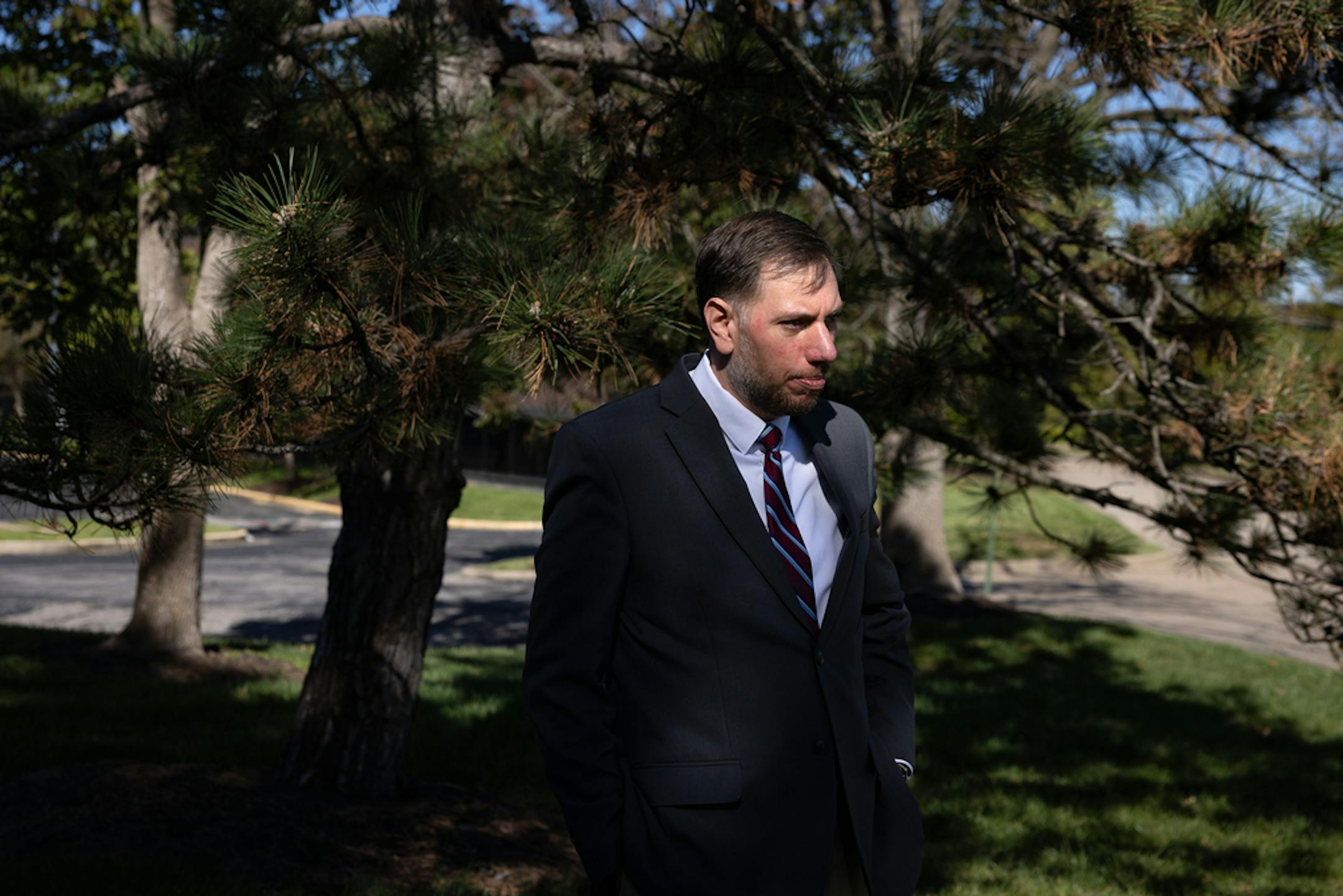
“We’ve had some community members who were not in favor of the clinics, but as a city there was nothing we could do to not allow them,” said Carolin Harvey, Carbondale’s mayor, a Democrat, although the office is nonpartisan.
She welcomes the clinics but said she worries that the number of abortions could be leveraged by opponents to lobby for a national ban. The clinics have drawn protests as well as intervention efforts from Coalition Life, a St. Louis-based anti-abortion group that stations “sidewalk counselors” outside Carbondale’s clinics.
Jennifer Barrett, a real estate paralegal who lives in Carbondale, supports abortion rights but said she was concerned about the high numbers in the city “attracting negative attention to a quiet community.”