

Two children died and 17 people were wounded in a shooting at Annunciation Church in south Minneapolis on Wednesday, the second mass shooting in the city in 24 hours after another deadly incident near a high school also on the city’s south side.
They were among more than 70 mass shootings that have happened in Minnesota since 2014.
That’s according to data collected by the Gun Violence Archive, which defines mass shootings as having a minimum of four victims either injured or killed, not including the shooter.
The vast majority — 53 — have been in Minneapolis, with 10 more in St. Paul, two each in Duluth and Burnsville, and once each in a dozen other cities. About 70 people were killed, including seven suspects. More than 300 people were injured.
The problem has gotten worse in recent decades, both across the country and in the state. The number of incidents has risen from between two and six in the late 2010s to the double digits since then, reaching a peak of 13 in 2023.
School shootings are also on the rise, again, both nationally and in Minnesota. The K-12 School Shooting Database counted just three from the 1960s to the 1990s. In the earliest incident recorded in Minnesota in that database, a Grand Rapids High School student injured a fellow student and killed a school administrator in 1966.
There have been, however, more than 30 school shootings in the state since the year 2000. No one died in most of them, and there were no physical injuries in many others. Those incidents typically fade from the headlines quickly.
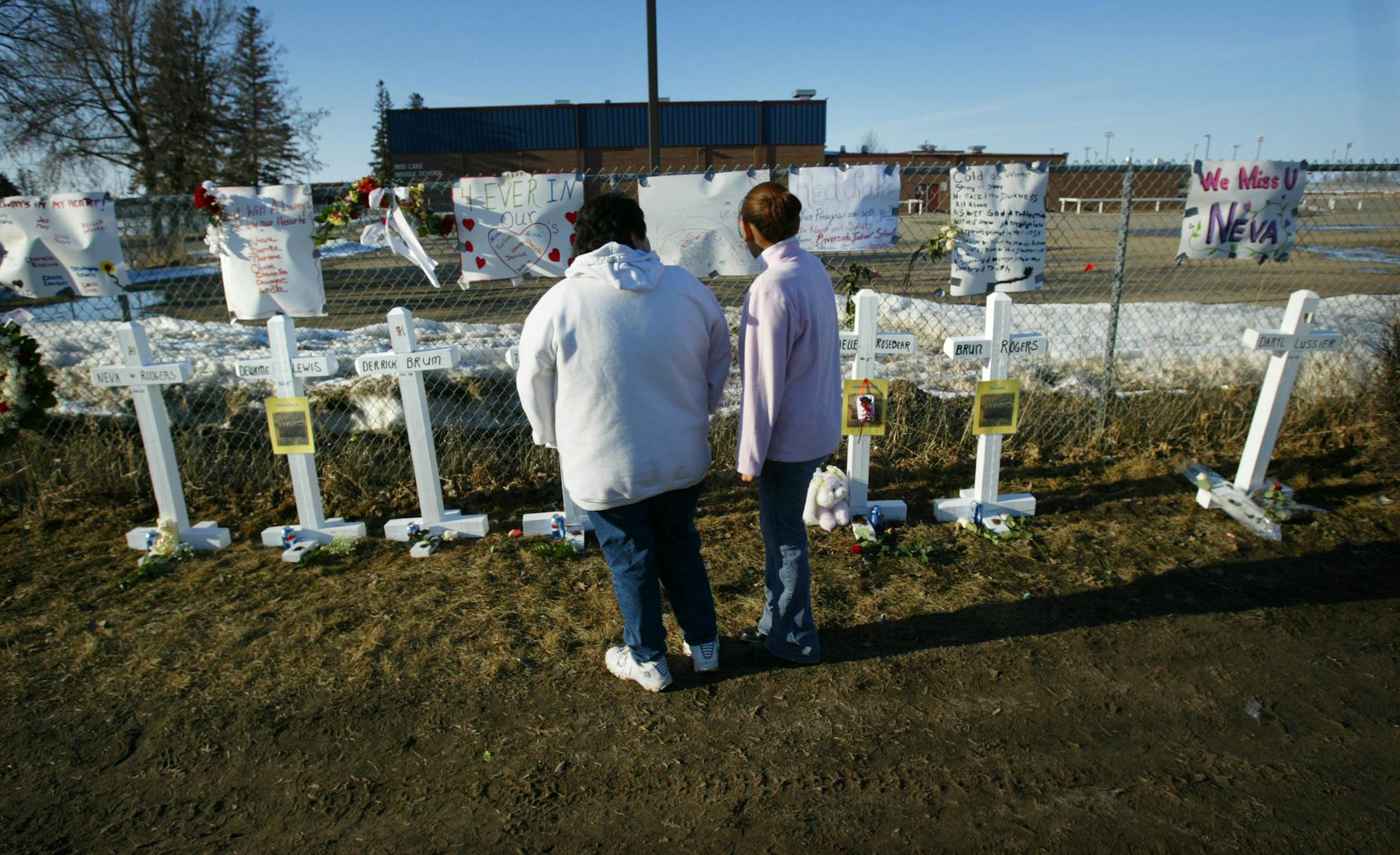
But a handful of deadly shootings — particularly those in schools and workplaces — have reached beyond their immediate communities and shaken the state itself.


